
Sesame Sensory Map
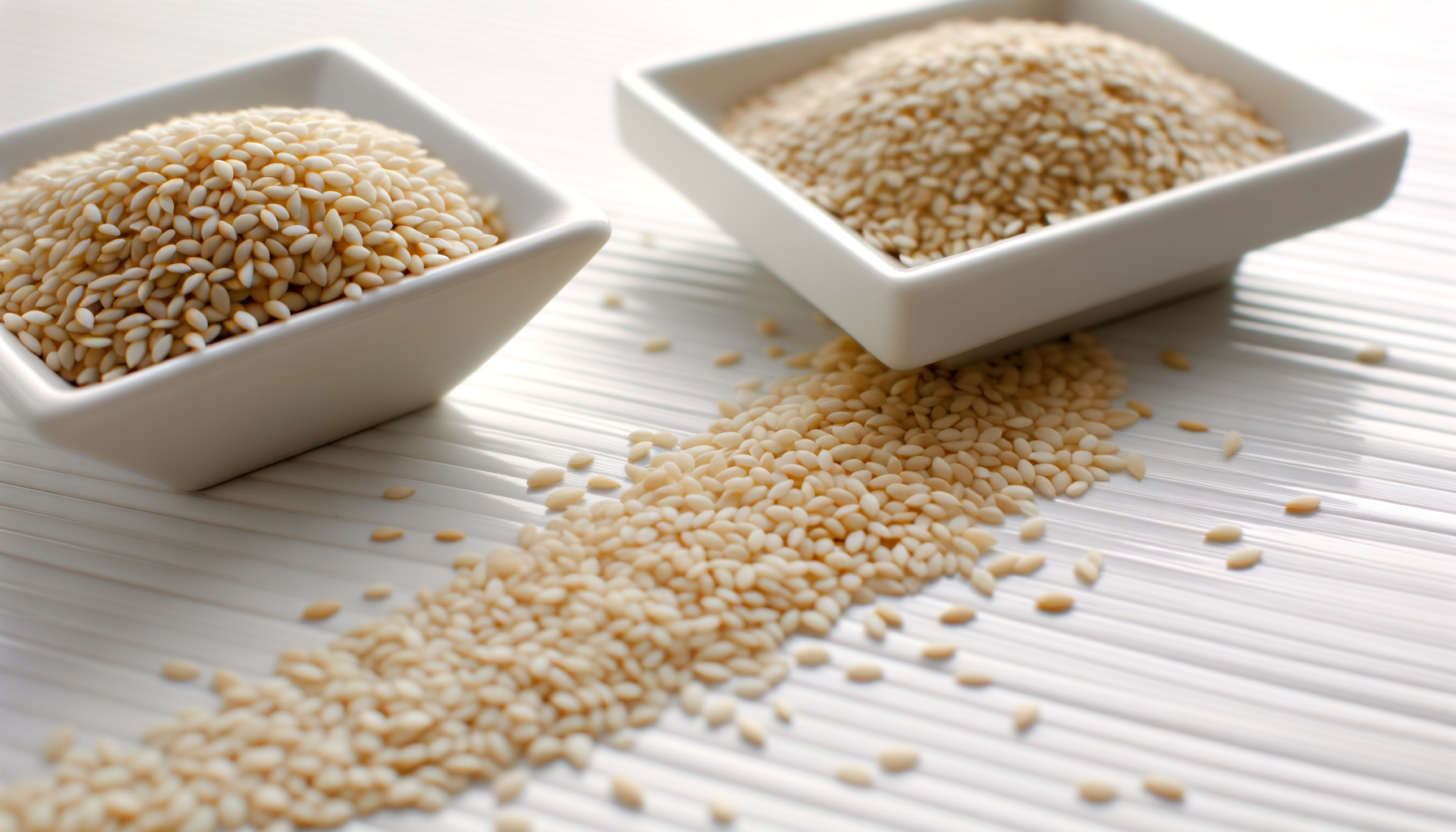
Sesame
Sesamum indicum
Sensory Profile
Tastes
Basic flavor profiles
Aromas
Scent characteristics
Stimuli
Sensory sensations
Textures
Physical properties
About Sesame
Sesame seeds possess a rich, nutty flavor with a subtle sweetness and a delicate crunch. When toasted, their flavor intensifies, offering a warm, earthy aroma that enhances both sweet and savory dishes. Sesame seeds are incredibly versatile in culinary applications. They are commonly used in Asian cuisine, featured in dishes such as sushi, stir-fries, and salads. Ground into tahini, they serve as a key ingredient in hummus and dressings. In Middle Eastern and Mediterranean cooking, sesame is often sprinkled on breads, pastries, and desserts, adding both texture and flavor. Additionally, sesame oil, derived from the seeds, is prized for its aromatic qualities and is used for sautéing, drizzling, or as a finishing oil. Sesame is one of the oldest cultivated oilseed crops, believed to have originated in the Indian subcontinent and parts of Africa. It has been grown for thousands of years, with historical references dating back to ancient civilizations. Today, major producers include India, China, and Myanmar, where the seeds are harvested from the flowering plant. Sesame seeds come in various colors, including white, black, and tan, each offering unique flavor nuances. White sesame seeds are often used for their mild flavor and aesthetic appeal, while black sesame seeds provide a more intense taste and are commonly used in Asian dishes.
Associated health effects(53)
- Menstrual Support
- Weight/BMI Reduction
- Squalene-Mediated Cholesterol Regulation
- Insulin Sensitivity Enhancement
- Micronutrient Density
- Lignan-Mediated Hormone Modulation
- Anti-arthritic
- Potential Additive Hypoglycemia
- Photoprotection
- Phytate Mineral Bioavailability Reduction
- Cardiovascular Protection
- Antioxidant
- Allergic Reactions
- Dose-Dependent Effects
- Allergy Risk
- Phytosterol-Mediated Cholesterol Reduction
- Phytosterol-Mediated Blood Pressure Reduction
- Kidney Protection
- Blood Pressure Reduction
- Nephroprotection
- Nutritional Advantages
- Wound Healing
- Cancer-Preventive
- Liver Support
- HDL Cholesterol Elevation
- Protein Digestibility
- Blood Sugar Support
- Hormonal Regulation
- Antidiabetic Activity
- Blood Sugar Regulation
- Sesamin Lignan Activity
- Immune Modulation
- Oxalate-Associated Mineral Malabsorption
- Hepatoprotection
- Dietary Fiber
- Interaction with Medications
- Cholesterol Absorption Inhibition
- Bone Health
- Nutrient-Dense Protein Support
- Cholesterol Management
- Protein Content
- Hair Health
- Weight Management
- Adiponectin Elevation
- LDL Cholesterol Reduction
- Triglyceride Reduction
- Laxative Activity
- Weight Gain
- Neuroprotection
- Complete Protein Support
- Lipid Metabolism Support
- Anticancer Potential
- Anti-inflammatory
Nutrition per 100 g(4)
- Energy: 573 kcal
- Protein: 17.73 g
- Fat: 49.67 g
- Fiber: 11.8 g