
Shallot Sensory Map
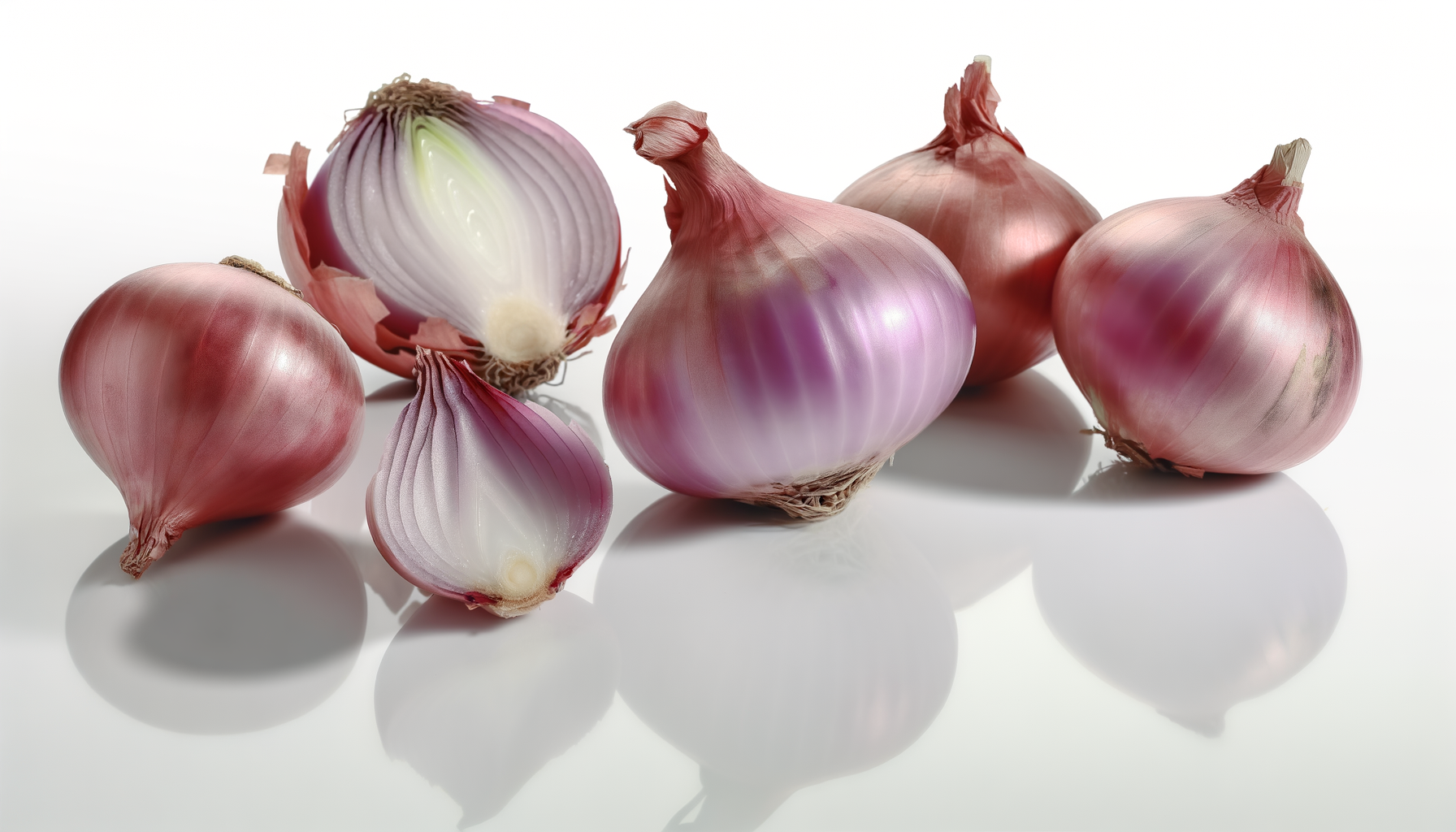
Shallot
Allium ascalonicum
Sensory Profile
Tastes
Basic flavor profiles
Aromas
Scent characteristics
Stimuli
Sensory sensations
Textures
Physical properties
About Shallot
Shallots possess a delicate, sweet flavor with a mild onion-like taste, often described as a cross between garlic and onion. Their subtlety allows them to enhance dishes without overpowering other ingredients, making them a favored choice in gourmet cooking. Shallots are versatile in the kitchen, commonly used in sauces, dressings, and marinades due to their ability to impart depth without harshness. They can be finely minced for vinaigrettes, sautéed for a base in risottos, or roasted to bring out their natural sweetness. Shallots are also ideal for pickling and can be used raw in salads for a gentle crunch. Shallots are believed to have originated in Central or Southwest Asia and have been cultivated for thousands of years. They are particularly popular in French cuisine, where they are often used in classic dishes such as coq au vin and beurre blanc. Shallots are characterized by their bulbous shape, which is smaller and elongated compared to regular onions. Their skin can range from golden brown to reddish-purple, while the flesh is typically pale and tender. Shallots grow in clusters, producing multiple bulbs from a single plant, and are known for their ability to store well, retaining flavor and texture over time. Their unique flavor and culinary adaptability make them a staple in both professional kitchens and home
Associated health effects(15)
- Antiplatelet Activity
- Antioxidant
- Allergic Reactions
- Dose-Dependent Effects
- Cancer-Preventive
- Blood Sugar Support
- Immune Booster
- Digestive Irritation
- Flavor and Culinary Use
- Antiallergic Activity
- Cholesterol Management
- Antibacterial
- Heart Health
- Digestive Aid
- Anti-inflammatory
Nutrition per 100 g(4)
- Energy: 72 kcal
- Protein: 2.5 g
- Fat: 0.1 g
- Fiber: 3.2 g