
Shea Fat Sensory Map
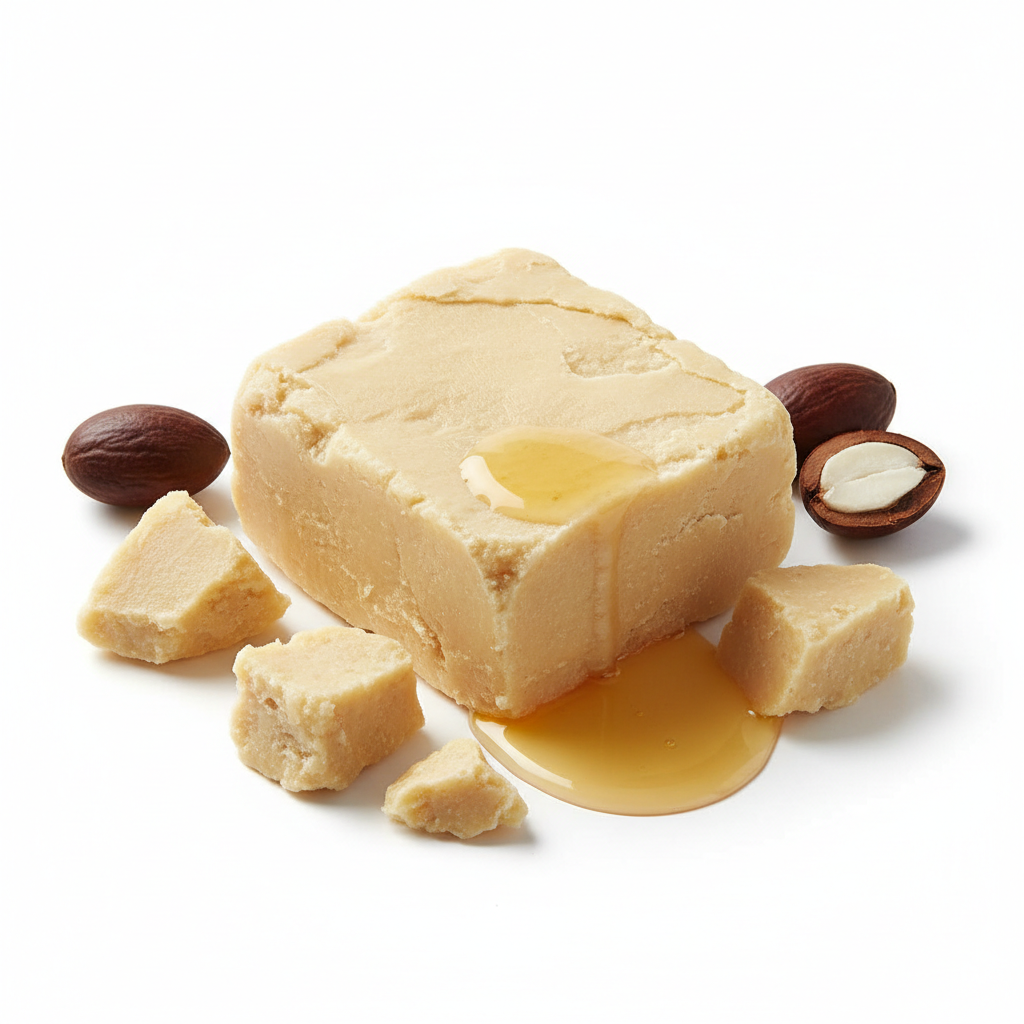
Shea Fat
Vitellaria paradoxa
Sensory Profile
Tastes
Basic flavor profiles
Aromas
Scent characteristics
Stimuli
Sensory sensations
Textures
Physical properties
About Shea Fat
Shea Fat (Vitellaria paradoxa) Extracted from the kernels of the African shea tree, this lipid presents a complex sensory profile characterized by a deep, musky nuttiness and subtle smoky undertones, transitioning from a firm, waxy solid at room temperature to a rich, velvet-textured oil with a remarkably clean finish on the palate. In the Sahelian regions of West Africa, particularly in Burkina Faso and Ghana, shea fat is traditionally produced through a labor-intensive process of crushing, roasting, and water-extraction, a method that develops its characteristic toasted aroma and high concentration of unsaponifiable compounds. In regional culinary staples like Waakye (rice and beans) or savory stews, the fat acts as a potent flavor carrier and textural stabilizer; its high stearic acid content provides a structural integrity similar to cocoa butter, allowing it to coat starches effectively and prevent clumping while imparting a lingering, savory depth. Beyond its role as a primary cooking medium, shea fat is prized in professional confectionery for its steep melting curve and polymorphic stability, which facilitates a crisp "snap" in chocolate formulations and serves as a superior plant-based shortening that enhances the aeration and crumb tenderness of laminated pastries. Unlike highly refined vegetable oils, unrefined shea fat retains a significant antioxidant load and a distinctively earthy terroir, offering a functional robustness that withstands high-heat sautéing without the rapid oxidative degradation common in polyunsaturated fats.
Associated health effects(7)
- Emollient Activity
- Antioxidant
- Burn Healing Support
- Blood Pressure Reduction
- Blood Lipid Profile Improvement
- Skin Barrier Support
- Anti-inflammatory
Nutrition per 100 g(4)
- Energy: 900 kcal
- Protein: 0 g
- Fat: 100 g
- Fiber: 0 g