
Shiraz Sensory Map
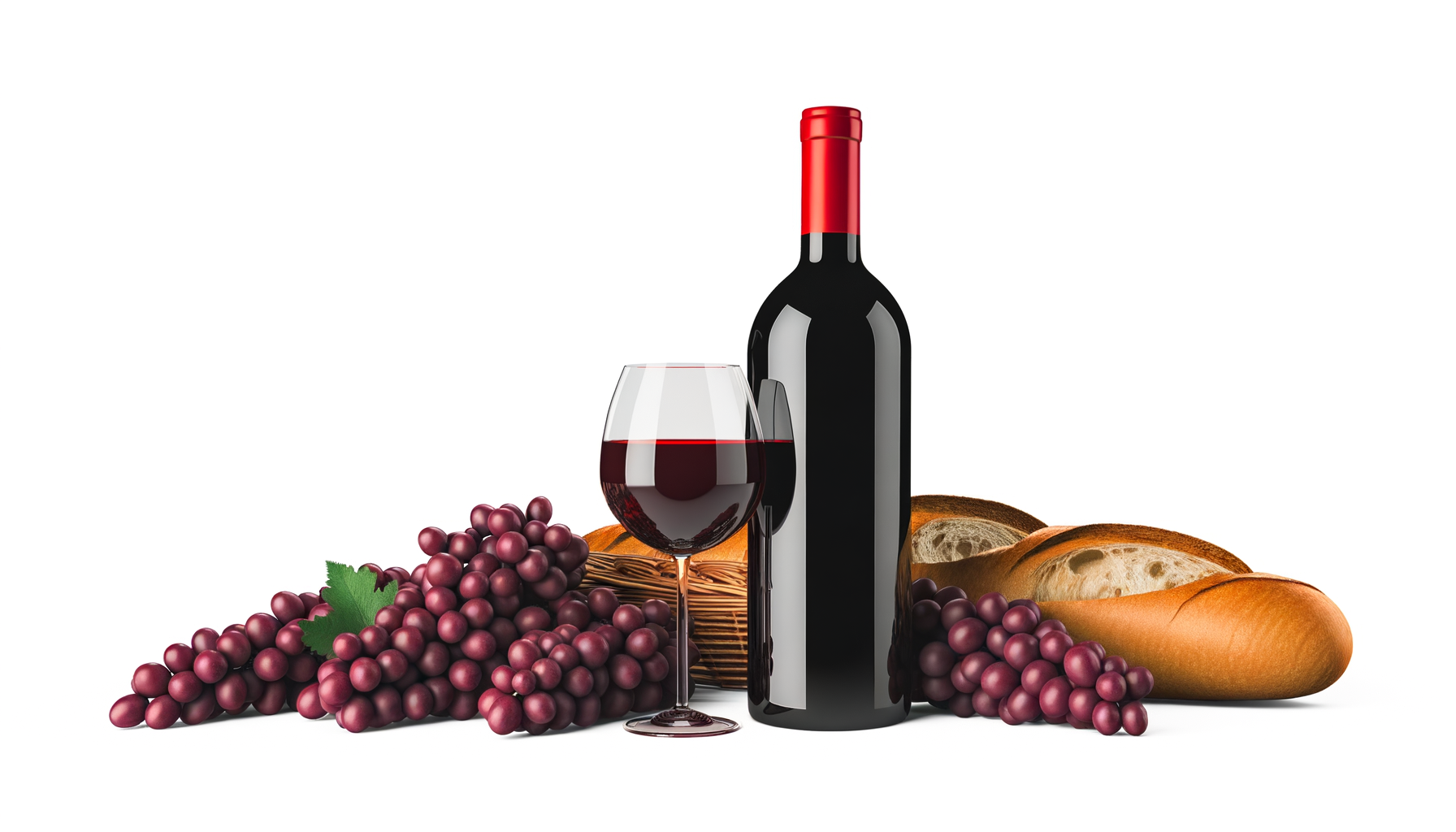
Shiraz
Vitis vinifera
Sensory Profile
Tastes
Basic flavor profiles
Aromas
Scent characteristics
Stimuli
Sensory sensations
Textures
Physical properties
About Shiraz
Shiraz, also known as Syrah, is a prominent grape variety renowned for its bold and complex flavor profile. It typically exhibits rich dark fruit notes such as blackberry, plum, and black cherry, complemented by spicy undertones of black pepper, clove, and sometimes hints of smokiness or leather. The wine produced from Shiraz grapes can also reveal nuances of chocolate, espresso, and herbal elements, contributing to its full-bodied and robust character. Shiraz is primarily used in winemaking, producing red wines that pair exceptionally well with hearty dishes. It complements grilled meats, barbecued dishes, and rich stews, making it a favored choice for red sauces and robust flavors. Additionally, Shiraz can be enjoyed with aged cheeses, dark chocolate desserts, and even spicy cuisines, such as Indian or Middle Eastern dishes, where its boldness can stand up to intense flavors. Shiraz has its roots in the Rhône Valley of France, where it has been cultivated for centuries. The name "Syrah" is commonly used in France, while "Shiraz" is the term adopted in Australia and South Africa, where it has gained significant popularity. The grape thrives in warm climates, and its cultivation has spread globally, establishing notable regions in Australia, South Africa, and the United States.
Associated health effects(24)
- Cytochrome P450 Interaction
- Polyphenol Content Support
- Polyphenol-Mediated LDL Oxidation Reduction
- Drug Interactions
- Impaired Judgment
- Cardiovascular Protection
- Antioxidant
- Allergic Reactions
- Nutritional Advantages
- Liver Toxicity
- Cancer Risk
- Cancer-Preventive
- Cardiovascular Stress
- Polyphenol-Mediated Gut Barrier Protection
- Polyphenol-Mediated Antioxidant Activity
- Addiction Potential
- Wine-Derived Stroke Mortality Reduction
- Interaction with Medications
- Antibacterial
- Increased Cancer Risk
- Neuroprotection
- Gastrointestinal Distress
- Insulin Sensitivity Support
- Anti-inflammatory
Nutrition per 100 g(4)
- Energy: 83 kcal
- Protein: 0.1 g
- Fat: 0 g
- Fiber: 0 g