
Shiso Sensory Map
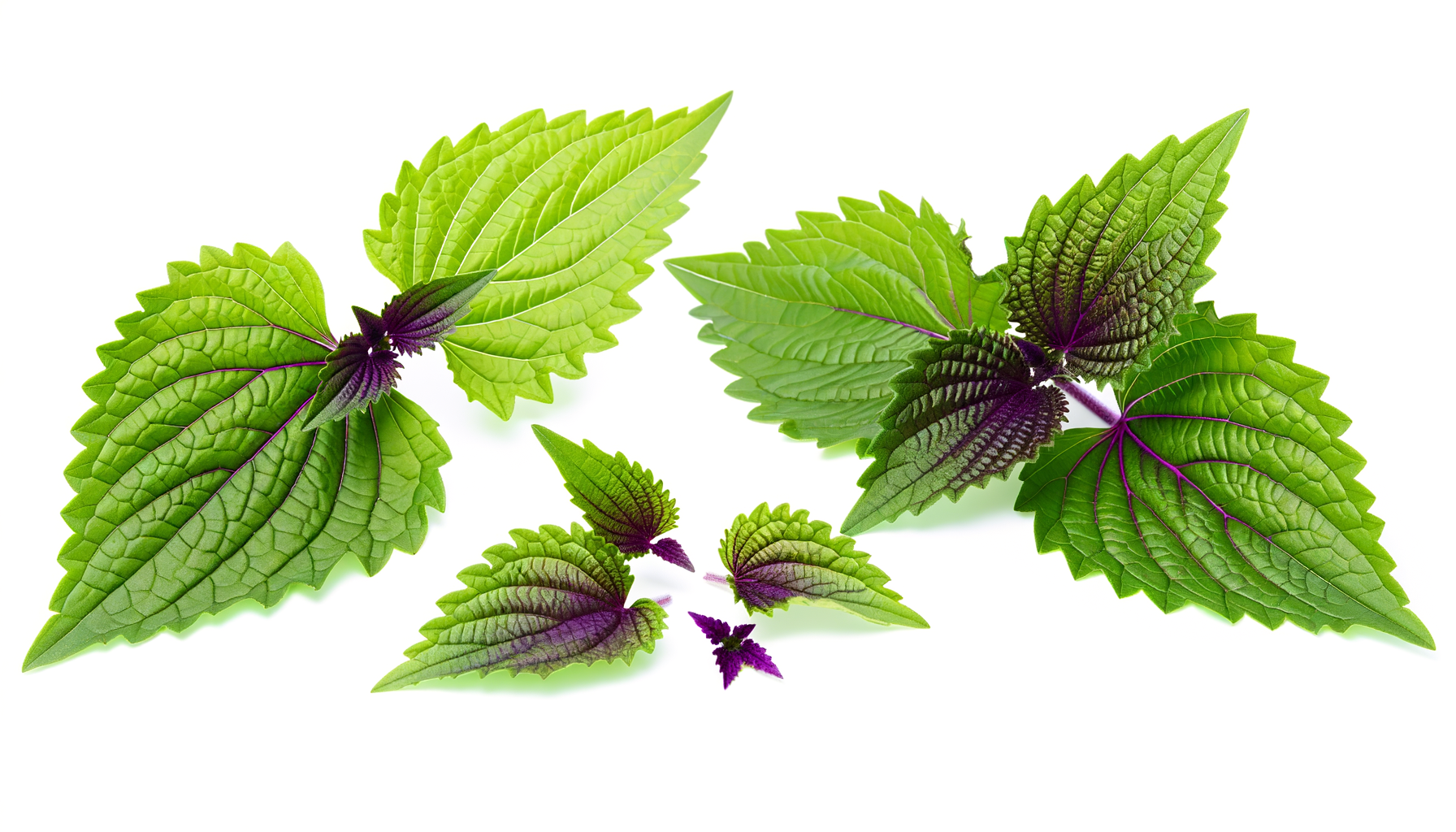
Shiso
Perilla frutescens
Sensory Profile
Tastes
Basic flavor profiles
Aromas
Scent characteristics
Stimuli
Sensory sensations
Textures
Physical properties
About Shiso
Shiso, also referred to as Perilla, boasts a complex flavor that is often described as a blend of mint, basil, and anise, with a hint of citrus. The leaves can vary in taste depending on the variety, with green shiso offering a more robust, slightly peppery flavor, while purple shiso tends to have a milder, sweeter profile. Shiso is a versatile herb commonly used in Japanese, Korean, and other Asian cuisines. It is often served fresh in salads, as a garnish, or wrapped around sushi and sashimi, where it adds a refreshing contrast to rich flavors. In Korean cuisine, shiso leaves are used in dishes like ssam, where they wrap grilled meats. The leaves can also be pickled, infused into sauces, or used to flavor beverages, such as shiso-infused cocktails. Shiso is native to East Asia, particularly Japan, Korea, and China, where it has been cultivated for centuries. It thrives in warm climates and is often grown in home gardens and farms across these regions. **Distinctive Characteristics:** Shiso leaves are broad and jagged, resembling those of mint but with a more pronounced texture. The plant can grow up to three feet tall and produces small, white or purple flowers. Its vibrant green or deep purple leaves not only add visual appeal to dishes but also contribute to its aromatic qualities. Shiso is also valued for
Associated health effects(74)
- Blood Pressure Support
- Insulin Sensitivity Enhancement
- Micronutrient Density
- Apoptosis Induction
- Alpha-Linolenic Acid Support
- Vitamin C Support
- Apigenin-Mediated Cancer Cell Suppression
- Calcium Content Support
- Airway Inflammation Reduction
- Cardiovascular Protection
- Antioxidant
- Allergic Reactions
- Cardiovascular Health
- Bone Resorption Inhibition
- Gamma-Tocopherol Protective Activity
- Hepatoprotective and Anti-steatotic Activity
- Sleep Quality Enhancement
- Gastrointestinal Health
- Amyloid Aggregation Inhibition
- Anti-anxiety Effects
- Nutritional Advantages
- Cancer-Preventive
- Cancer Cell Inhibition via Polyphenols
- Lipid Profile Improvement
- Liver Support
- Blood Cholesterol Reduction
- Depression Relief
- Luteolin Derivative Activity
- Respiratory Inflammation Reduction
- Anthocyanin Provision
- Vitamin A Support
- Hepatoprotective and Hypolipidemic Activity
- Antidiabetic Activity
- Gut Microbiota Modulation via Flavonoids and ALA
- Neuroprotection via Asarone Derivatives and ALA
- Immune Modulation
- Carotenoid Source
- Mood Enhancement
- Iron Content Support
- No Evidence of Toxicity, Heavy Metals, or Contaminants
- Hepatoprotection
- Adaptogenic Activity
- Dietary Fiber
- Allergic Reaction Risk
- Antiallergic Activity
- BDNF Upregulation
- Asthma Relief
- Nitric Oxide Release
- Respiratory and Allergy Support
- Bone Health
- Cognitive Function Enhancement
- Digestive Relief via Carminative Action
- Rosmarinic Acid Support
- Gut Microbiota Modulation via Rosmarinic Acid
- GABA Production Support
- Asthma Inflammation Reduction
- Hypolipidemic Activity
- Weight Management
- Gastrointestinal Barrier Function Support
- Allergy Relief
- Rosmarinic Acid-Mediated Allergy Relief
- Antibacterial
- Osteoporosis Prevention
- Mast Cell Stabilization
- Immunomodulation via Cytokine Regulation
- Neuroprotection
- Bronchodilation
- Antiviral
- Lipid Metabolism Support
- Digestive Aid
- Digestive Health
- Anticancer Potential
- Anti-inflammatory
- Carminative
Nutrition per 100 g(4)
- Energy: 24 kcal
- Protein: 2.5 g
- Fat: 0.5 g
- Fiber: 2 g