
Shrimp Sensory Map
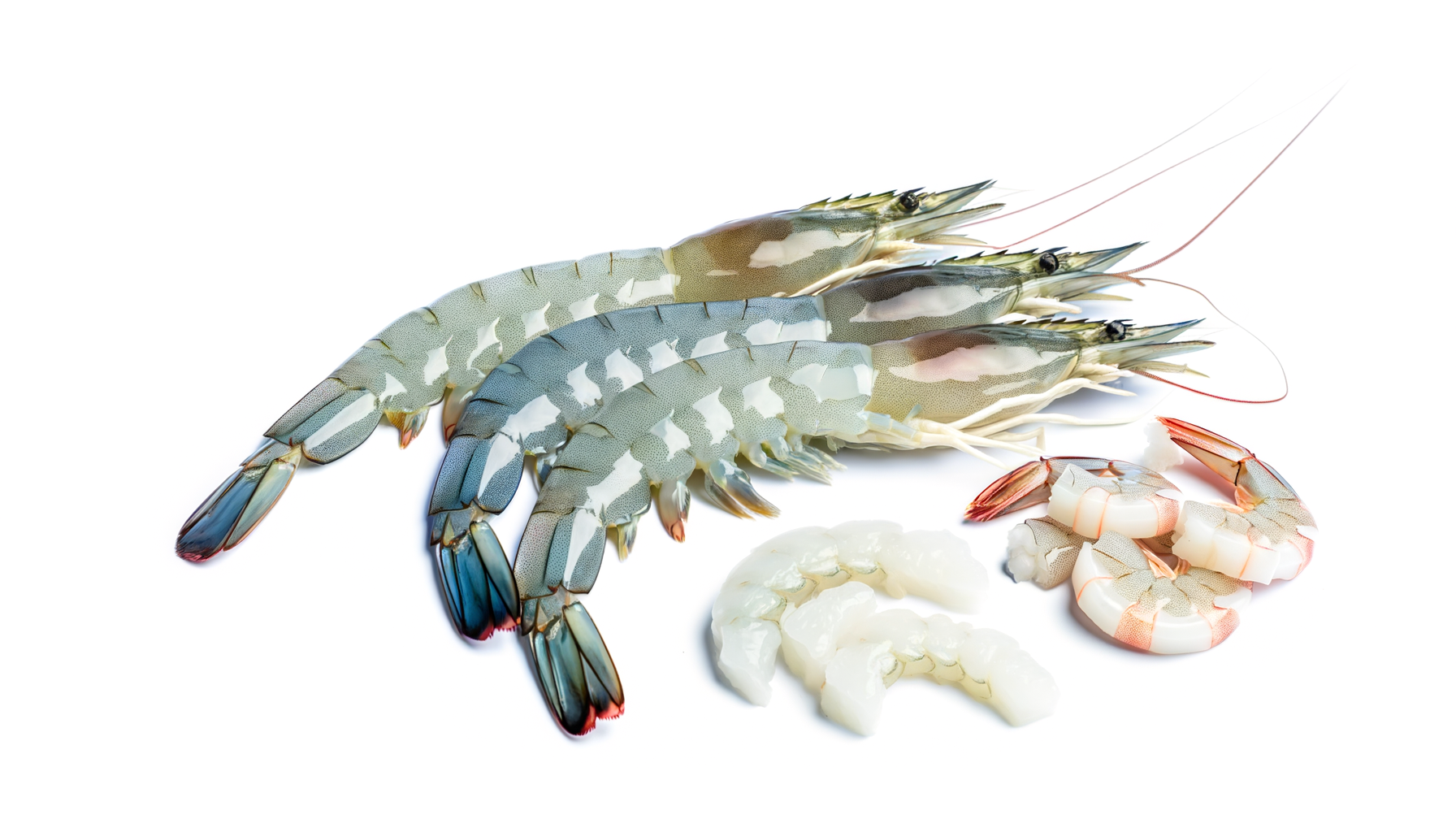
Shrimp
Penaeus vannamei
Sensory Profile
Tastes
Basic flavor profiles
Aromas
Scent characteristics
Stimuli
Sensory sensations
Textures
Physical properties
About Shrimp
Shrimp, particularly the Pacific white shrimp (Penaeus vannamei), offers a delicate, slightly sweet flavor with a subtle brininess. The meat is tender and has a firm texture, making it versatile for various cooking methods. When cooked, it develops a mild, buttery richness that enhances its natural sweetness. Shrimp is a staple in many cuisines around the world, celebrated for its adaptability. It can be grilled, sautéed, steamed, or fried, and is often featured in dishes such as shrimp scampi, paella, gumbo, and ceviche. Its ability to absorb flavors makes it an excellent companion for spices, herbs, and sauces, allowing it to shine in both simple and complex preparations. Penaeus vannamei is native to the warm coastal waters of the Pacific Ocean, particularly along the coasts of Central and South America. It has been extensively farmed and is now one of the most widely cultivated shrimp species globally, with significant production in countries such as Ecuador, Thailand, and Vietnam. This species is characterized by its long, slender body, which can range in color from pale gray to light pink. It features a slightly translucent shell that turns a vibrant pink when cooked. In addition to its culinary appeal, shrimp is also valued for its nutritional benefits, being a rich source of protein
Associated health effects(54)
- Micronutrient Support
- Micronutrient Density
- Selenium Status Improvement
- Shrimp Environmental Contaminant Exposure
- Antioxidant
- Cardiovascular Health
- Dose-Dependent Effects
- Vitamin B12 Nervous System Support
- Low Mercury Content
- Folate Source
- Layered Protein Content
- Blood Cholesterol Reduction
- HDL Cholesterol Elevation
- Low Caloric Density
- Astaxanthin Neuroprotection
- Easily Digestible Protein Support
- Crustacean Allergenicity
- Bacterial Contamination Risk
- Antidiabetic Activity
- Blood Sugar Regulation
- Immune Booster
- Shrimp Allergenicity
- Muscle Protein Support
- Foodborne Illness Risk
- Anti-obesity Activity
- Iron Content Support
- Skin Health
- Shrimp Cooking Method Impact
- High Cholesterol Content
- Bone Health
- Nutrient-Dense Protein Support
- Cholesterol Management
- Mercury Exposure Reduction
- Protein Content
- Weight Management
- Vitamin and Mineral Support
- B Vitamin Nervous System Support
- Anti-aging Activity
- LDL Cholesterol Reduction
- Shrimp Cholesterol Awareness
- Antibiotic Residue Exposure
- Iodine Provision
- Choline Content Support
- Triglyceride Reduction
- Neuroprotection
- Complete Protein Support
- Heart Health
- Sodium Overload
- Lipid Metabolism Support
- Digestive Aid
- Anticancer Potential
- Anti-inflammatory
- Astaxanthin Antioxidant Activity
- Complete Protein Profile
Nutrition per 100 g(4)
- Energy: 106 kcal
- Protein: 24 g
- Fat: 1.5 g
- Fiber: 0 g