
Smoked Paprika Powder Sensory Map
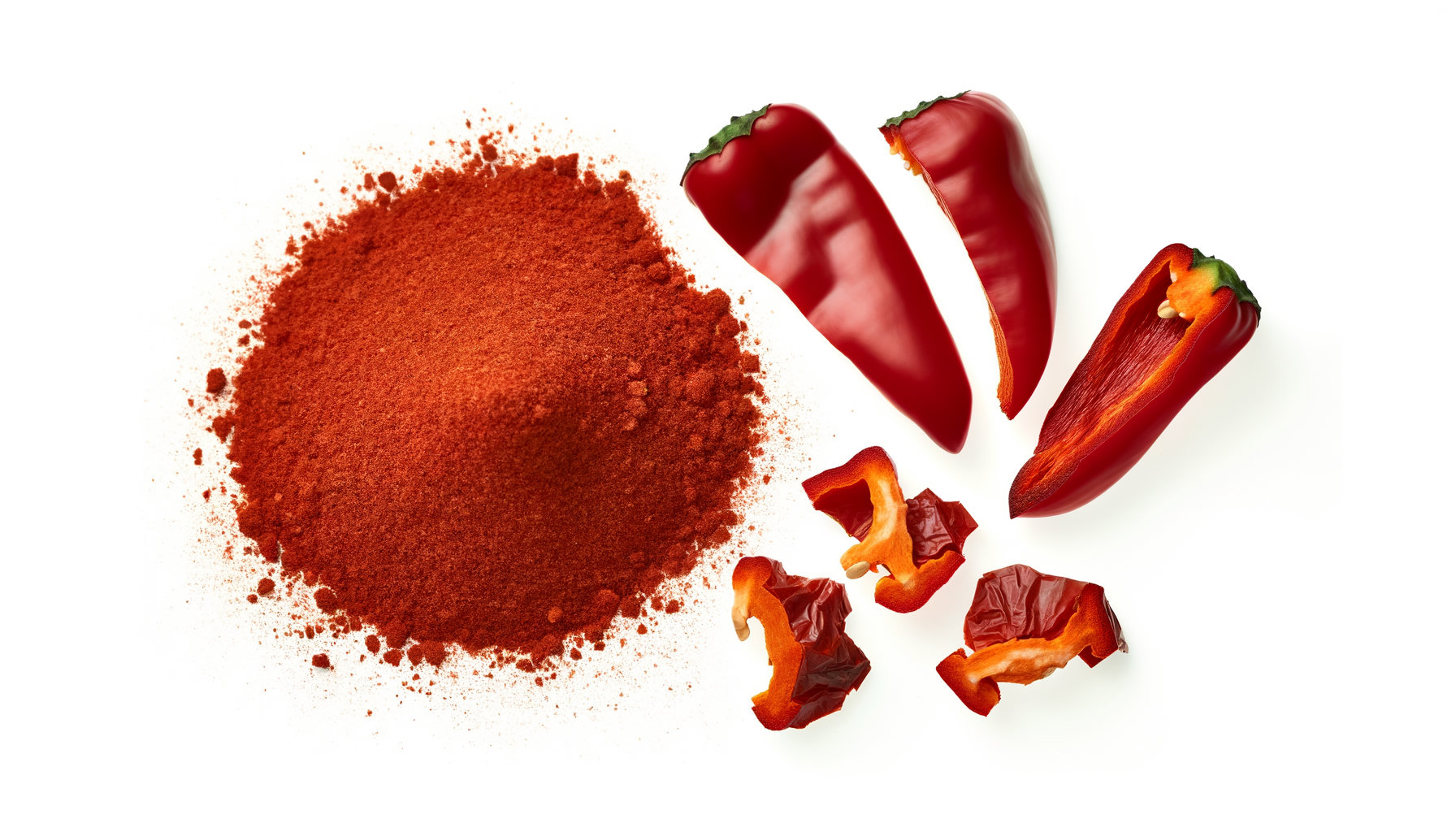
Smoked Paprika Powder
Capsicum annuum
Sensory Profile
Tastes
Basic flavor profiles
Aromas
Scent characteristics
Stimuli
Sensory sensations
Textures
Physical properties
About Smoked Paprika Powder
Smoked Paprika Powder (Capsicum annuum), a member of the Solanaceae family, offers a complex sensory profile characterized by its deep, smoky aroma reminiscent of charred wood and roasted peppers, coupled with a subtly sweet and slightly bitter flavor that unfolds on the palate. The texture is fine and powdery, allowing it to blend seamlessly into dishes while imparting a rich, reddish hue that enhances visual appeal. This spice is integral to iconic dishes such as Spanish paella, where its smoky depth complements the saffron and seafood, creating a harmonious balance of flavors, and in Hungarian goulash, where it not only contributes color but also interacts with the proteins in meat, enhancing their umami characteristics through the Maillard reaction during cooking. Originating from the sun-drenched fields of Spain and Hungary, smoked paprika carries profound cultural significance, particularly in Spanish cuisine, where it is often used in traditional tapas and stews. The production of this spice involves drying specific varieties of Capsicum annuum over oak wood fires, a method that imbues the paprika with its distinctive smoky flavor, while also preserving the natural sweetness of the peppers. This unique smoking process differentiates it from regular paprika, as it develops a more complex flavor profile through the slow infusion of smoke, which can also enhance the spice's antioxidant properties. What sets smoked paprika apart is its ability to evoke a sense of warmth and depth in dishes without the heat commonly associated with chili peppers, making it a favorite among chefs seeking to add layers of flavor without overwhelming spice. The careful selection of pepper varieties and the meticulous smoking process not only enhance its aromatic qualities but also contribute to its stability in various cooking applications, allowing it to retain its flavor integrity even when subjected to prolonged heat.
Associated health effects(34)
- Capsaicin-Induced Appetite Suppression
- UV Skin Protection
- Beta-Carotene Source
- Micronutrient Density
- Cardiovascular Protection
- Antioxidant
- Cardiovascular Health
- Central Obesity Reduction
- Vitamin E Source
- Gut Microbiota Modulation via Capsaicin
- Nutritional Advantages
- Wound Healing
- Cancer Risk
- HDL Cholesterol Elevation
- Free Radical Scavenger
- Capsaicin-Induced Pain Relief
- Immune Booster
- Carotenoid Source
- Vision Protection
- Anti-obesity Activity
- Capsaicin-Induced Thermogenesis
- Mineral Content
- Dietary Fiber
- Cholesterol Management
- Carotenoid Eye Protection
- Weight Management
- PAH Exposure
- LDL Cholesterol Reduction
- Capsaicin-Induced Gastrointestinal Irritation
- Digestive Aid
- Vitamin A Source
- Lutein and Zeaxanthin Support
- Anticancer Potential
- Anti-inflammatory
Nutrition per 100 g(4)
- Energy: 335 kcal
- Protein: 14 g
- Fat: 13 g
- Fiber: 34 g