
Sodium Benzoate Sensory Map
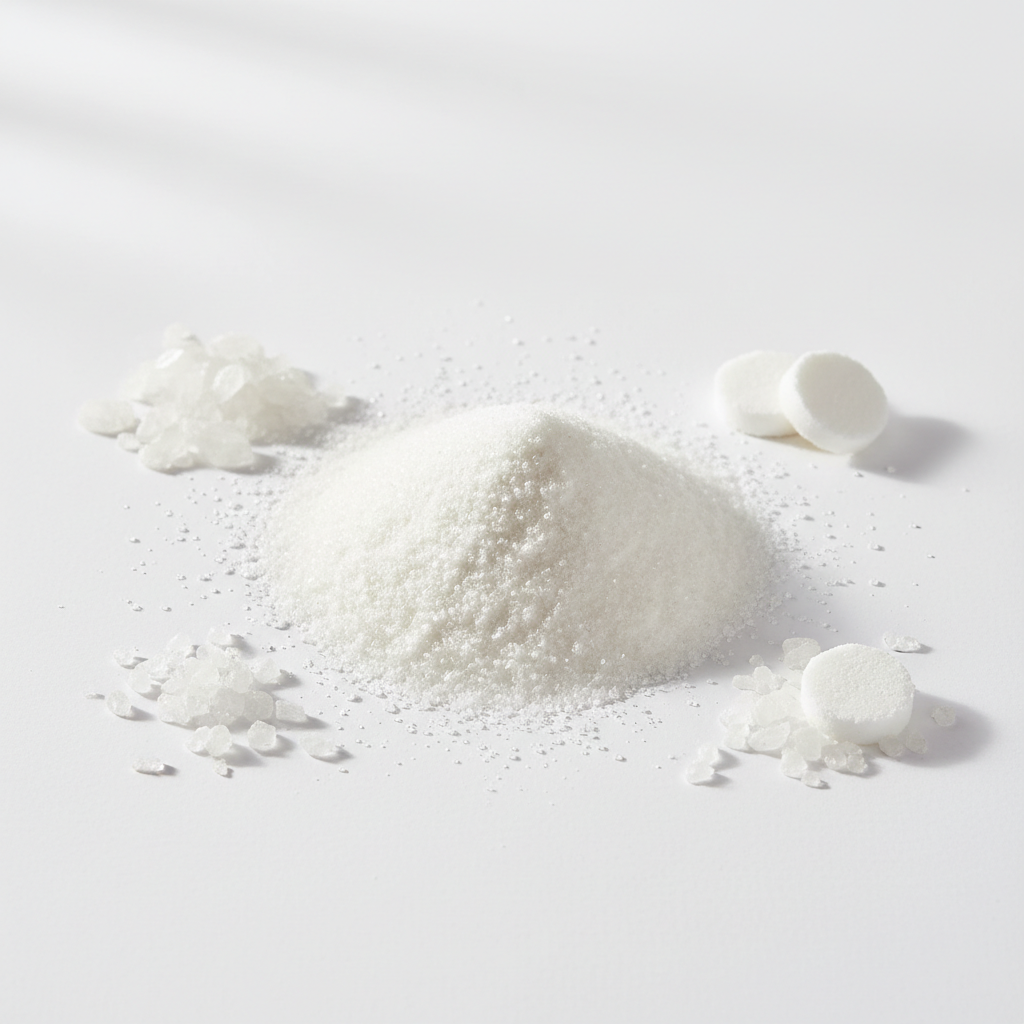
Sodium Benzoate
Sensory Profile
Tastes
Basic flavor profiles
Aromas
Scent characteristics
Stimuli
Sensory sensations
Textures
Physical properties
About Sodium Benzoate
Sodium benzoate (E211, red label = dangerous) is a crystalline, white powder characterized by a neutral to slightly astringent flavor profile that, in high concentrations, can impart a faint, sweet-metallic note to the palate without altering the aromatic integrity of the base ingredients. Primarily utilized as a bacteriostatic and fungistatic agent, it thrives in acidic environments (pH below 3.6) where it converts into benzoic acid, effectively inhibiting the cellular respiration of yeasts and molds in iconic high-acid preparations such as traditional North American apple ciders and piquant Mediterranean pickled peppers. Unlike physical preservation methods, this salt of benzoic acid—originally derived from the resin of the Styrax tree (benzoin) but now synthesized through the oxidation of toluene—maintains the structural turgidity of fruit and vegetable cell walls, preventing the enzymatic softening that typically occurs during extended storage. Its unique culinary value lies in its ability to extend the shelf-life of cold-processed sauces and carbonated beverages without the application of heat, thereby preserving volatile "fresh-pressed" flavor compounds and delicate vitamin profiles that would otherwise be degraded by pasteurization. Consequently, it remains a technical cornerstone in the production of artisanal condiments and acidified preserves, ensuring microbiological stability while allowing the vibrant, sharp acidity of the primary ingredients to remain the focal point of the sensory experience.
Associated health effects(6)
- Nitrogen Excretion Enhancement
- Neuropsychiatric Function Modulation
- Gut Microbiota Modulation
- Sensitivity Reaction Risk
- Benzene Formation Risk
- Behavioral Change Risk
Nutrition per 100 g(4)
- Energy: 0 kcal
- Protein: 0 g
- Fat: 0 g
- Fiber: 0 g