
Sorbitol Syrup Sensory Map
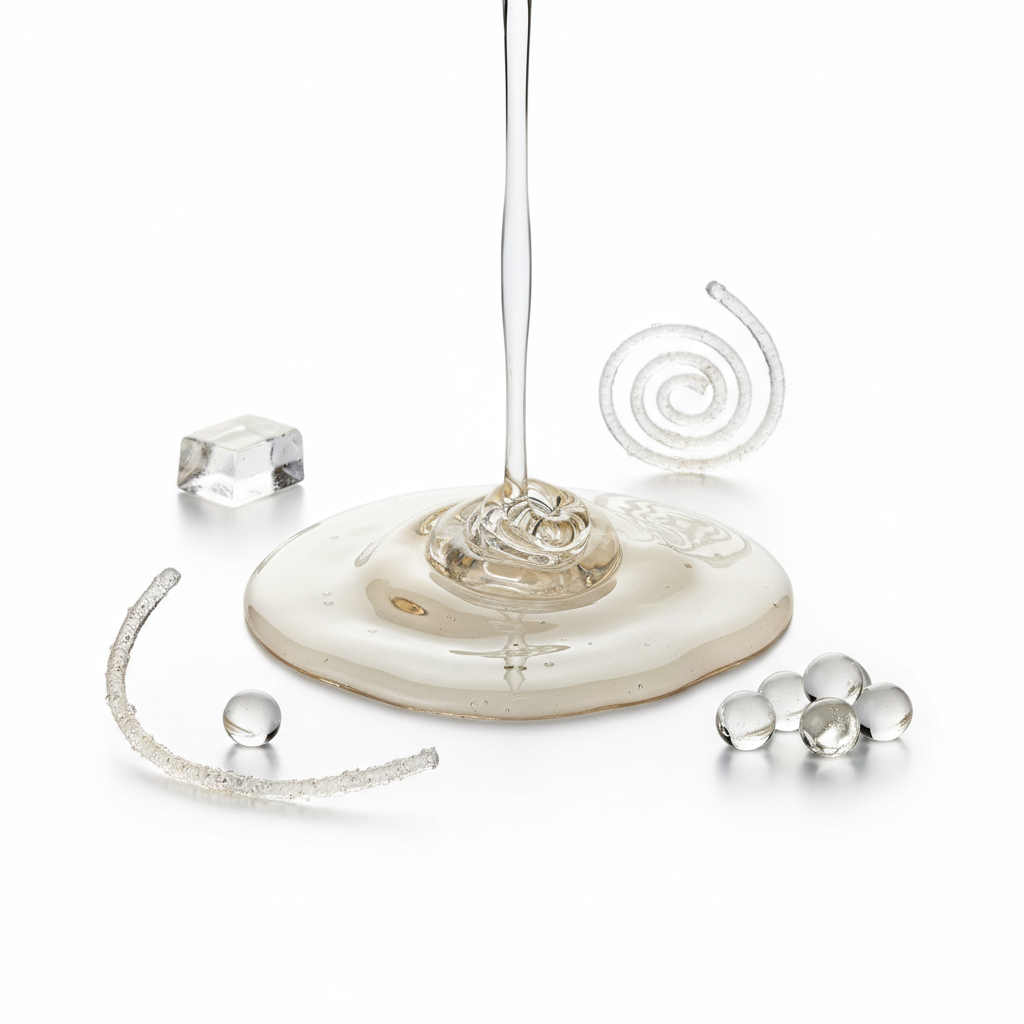
Sorbitol Syrup
Syrupus sorbitolis
Sensory Profile
Tastes
Basic flavor profiles
Aromas
Scent characteristics
Stimuli
Sensory sensations
Textures
Physical properties
About Sorbitol Syrup
Sorbitol Syrup (Syrupus sorbitolis) is a viscous, clear, and odorless sugar alcohol (polyol) derived primarily from the hydrogenation of D-glucose sourced from corn or wheat starch. Unlike sucrose, it possesses a clean, cool sweetness—approximately 60% as potent as table sugar—characterized by a distinct endothermic "cooling effect" on the palate and a smooth, heavy mouthfeel that lacks the cloying stickiness of traditional syrups. In professional confectionery, it is indispensable for crafting **ganaches** and **soft-center pralines**, where its potent humectant properties lower water activity ($a_w$) to inhibit microbial growth while simultaneously preventing the recrystallization of sucrose, ensuring a velvety, shelf-stable emulsion. Its technical superiority is further evidenced in **Japanese Wagashi**, specifically in the production of *Nerikiri*, where it maintains the pliability of sweetened bean paste by binding moisture at a molecular level, preventing the starch from retrograding and hardening over time. Because sorbitol is non-reactive in Maillard browning, it allows pastry chefs to achieve dense, moist crumb structures in low-temperature bakes without unwanted caramelization, making it a unique tool for controlling both the kinetic stability and the aesthetic purity of high-end patisserie.
Associated health effects(11)
- Polyol-Induced Gastrointestinal Distress
- Dental Caries Reduction
- Constipation Relief
- Lower Glycemic Impact Than Sucrose
- FODMAP-Induced Gastrointestinal Distress
- Bloating, fluid retention
- Diarrhea
- Electrolyte Disturbance
- Gastrointestinal Discomfort
- Osmotic Laxative Activity
- Dental Caries Risk Reduction
Nutrition per 100 g(4)
- Energy: 280 kcal
- Protein: 0 g
- Fat: 0.1 g
- Fiber: 0 g