
Sorrel Sensory Map
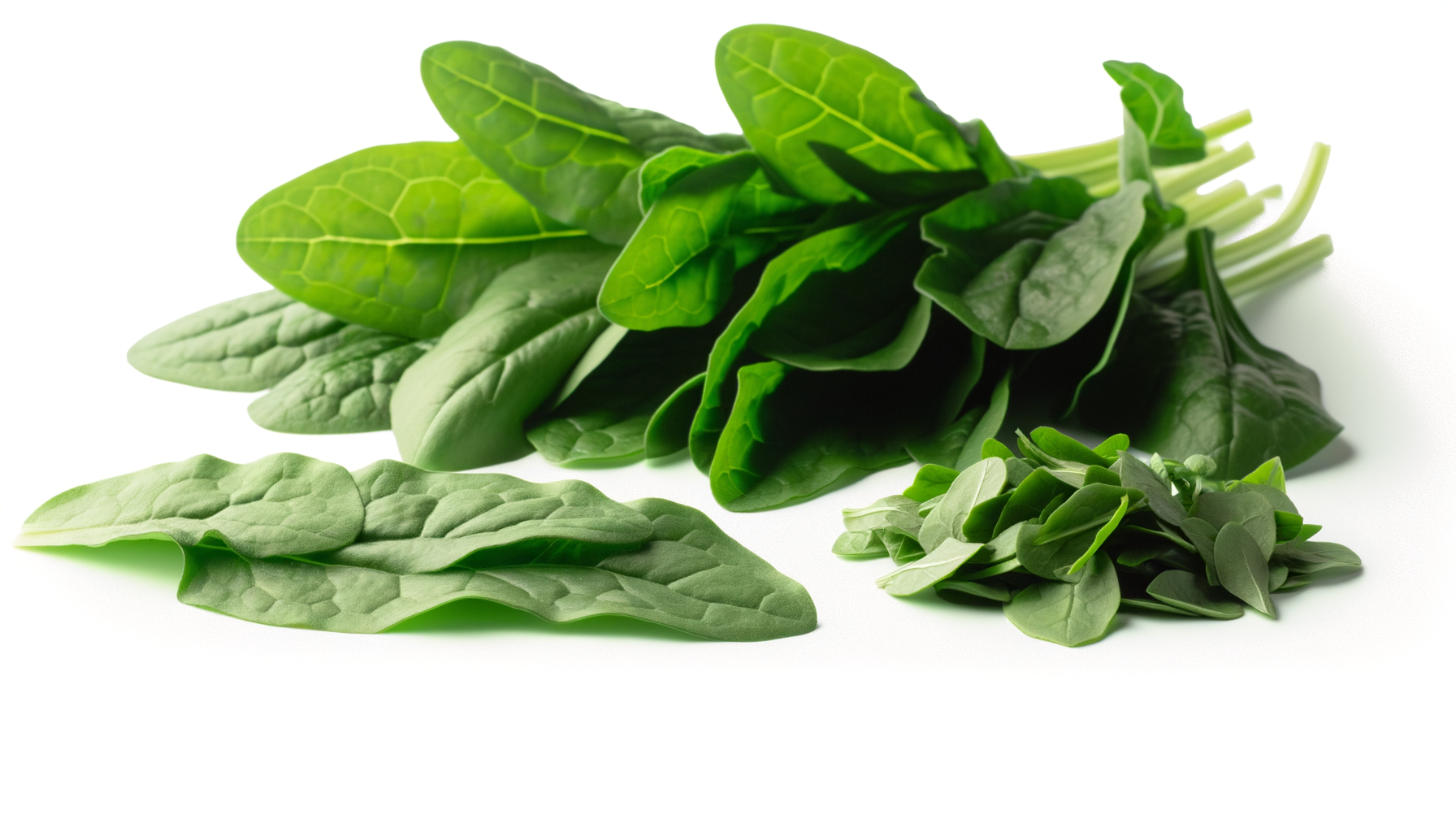
Sorrel
Rumex acetosa
Sensory Profile
Tastes
Basic flavor profiles
Aromas
Scent characteristics
Stimuli
Sensory sensations
Textures
Physical properties
About Sorrel
Sorrel is renowned for its vibrant, tangy flavor, characterized by a sharp, lemony acidity that can brighten a variety of dishes. Its taste is often compared to that of green apples or citrus fruits, with a refreshing, slightly herbaceous undertone. Sorrel is a versatile herb commonly used in both raw and cooked applications. In salads, it adds a zesty kick, while in soups and sauces, it can impart a delightful tartness. Sorrel is frequently used in classic French cuisine, such as in the traditional dish "sorrel soup" (soupe à l'oseille), and pairs well with fish, eggs, and creamy sauces. Additionally, it can be blended into pesto or used as a garnish for various dishes, enhancing flavor and presentation. Sorrel is native to Europe and Asia, thriving in temperate climates. It has been cultivated since ancient times, valued not only for its culinary uses but also for its medicinal properties. The plant is often found in wild foraging, particularly in meadows and damp areas. Sorrel features broad, arrow-shaped leaves that are bright green and can grow up to 12 inches in length. The leaves are tender and should be harvested young for optimal flavor. Sorrel is a perennial herb, and its tartness is attributed to the presence of oxalic acid, which can also lend
Associated health effects(78)
- Vitamin C Source
- Mucolytic Respiratory Support
- Polyphenol-Mediated Platelet Aggregation Modulation
- Beta-Carotene Source
- Micronutrient Density
- Oxalate-Induced Mineral Absorption Inhibition
- Tannin-Mediated Gut Protection
- Kidney Stress
- Oxidative Stress Resistance
- Selenium Immune Support
- Cardiovascular Protection
- Copper
- Antioxidant
- Cardiovascular Health
- Dose-Dependent Effects
- Acidity-Induced Gastric Irritation
- Allergy Risk
- Gastrointestinal Upset
- Blood Pressure Reduction
- Vitamin Content Support
- Nephroprotection
- Nutritional Advantages
- Digestive Bulk Support
- Cancer-Preventive
- Tannin-Mediated Mucus Modulation
- Liver Support
- Blood Cholesterol Reduction
- Tannin-Mediated Platelet Aggregation Inhibition
- Anthraquinone-Induced Diarrhea
- Blood Sugar Support
- Appetite Reduction via Fiber-Induced Satiety
- Vitamin A Support
- Oxalate Nephrolithiasis Risk
- Immune Booster
- Oxalate Nephropathy Risk
- Polyphenol-Mediated Antioxidant Activity
- Vision Protection
- Oxalate-Associated Mineral Malabsorption
- Tannin-Induced Digestive Irritation
- Cough Reduction
- Iron Content Support
- Kidney Support
- At-Risk Populations
- Mineral Content
- Hepatoprotection
- Dietary Fiber
- Skin Health
- Interaction with Medications
- Platelet Aggregation Modulation
- Dental Enamel Erosion
- Gastrointestinal Discomfort
- Anemia Prevention
- Oxalate Kidney Stone Risk
- Phosphorus
- Oxalate-Induced Kidney Stone Risk
- Antioxidant Immunity Support
- Antiscorbutic Activity
- Manganese
- Diuretic Activity via Organic Acids
- Diuretic Activity
- B Vitamin Nervous System Support
- LDL Cholesterol Reduction
- Vitamin B6 Nervous System Support
- Antibacterial
- Bleeding Risk
- Potassium
- Fiber Content
- Laxative Activity
- Respiratory Mucus Reduction
- Heart Health
- Magnesium
- Eye Health
- Digestive Aid
- Vitamin A Source
- Lutein and Zeaxanthin Support
- Digestive Health
- Anticancer Potential
- Anti-inflammatory
Nutrition per 100 g(4)
- Energy: 24 kcal
- Protein: 2 g
- Fat: 0.6 g
- Fiber: 2 g