
Sour Cherry Sensory Map
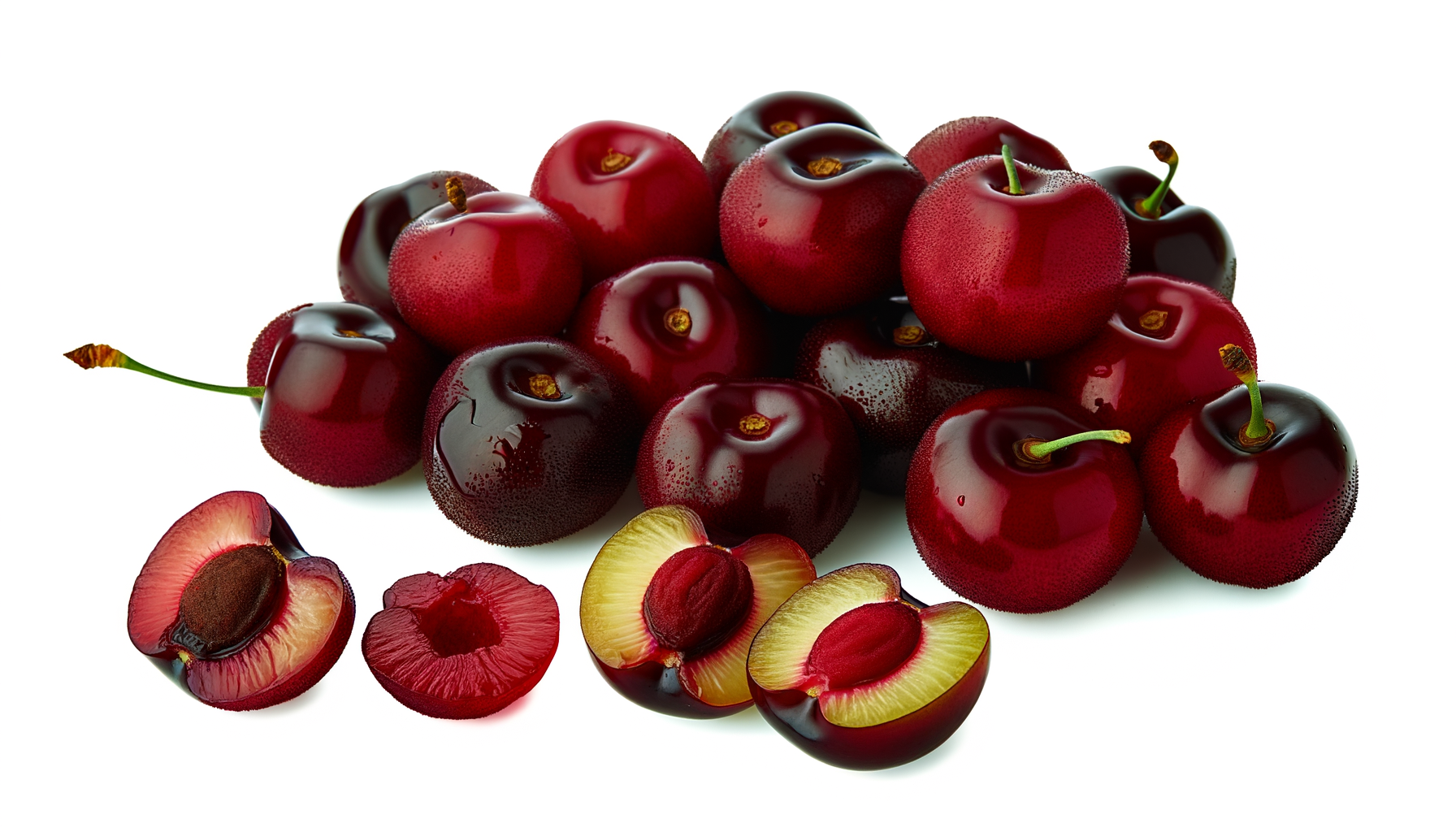
Sour Cherry
Prunus cerasus
Sensory Profile
Tastes
Basic flavor profiles
Aromas
Scent characteristics
Stimuli
Sensory sensations
Textures
Physical properties
About Sour Cherry
Sour cherries, also known as tart cherries, possess a vibrant, tangy flavor that balances sweetness with a pronounced acidity. Their bright, fruity notes are complemented by a subtle earthiness, making them a versatile ingredient in both sweet and savory dishes. Sour cherries are widely used in culinary applications, particularly in desserts such as pies, tarts, and jams, where their tartness enhances the overall flavor profile. They are also popular in sauces and glazes for meats, adding a refreshing contrast to rich dishes. Additionally, sour cherries can be used in beverages, including juices, cocktails, and liqueurs, providing a zesty kick. Sour cherries are believed to have originated in the regions of the Caucasus and parts of Europe. They have been cultivated since ancient times, with historical references dating back to the Romans. Today, they are primarily grown in temperate climates, with significant production in the United States, particularly in Michigan, as well as in Eastern Europe and Turkey. Sour cherries are smaller and darker than their sweet counterparts, with a deep red to almost black hue when fully ripe. Their skin is smooth, and the flesh is juicy, with a characteristic pit that is easily removed. Sour cherries are typically harvested in late spring to early summer and are often used fresh or preserved due to their short shelf life
Associated health effects(15)
- Blood Pressure Support
- Exercise Recovery Support
- Cardiovascular Protection
- Antioxidant
- Allergic Reactions
- Blood Pressure Reduction
- Nutritional Advantages
- Blood Sugar Support
- Sleep Quality Improvement
- Muscle Recovery Support
- Foodborne Illness Risk
- Cholesterol Management
- Joint Health
- Arthritis Symptom Relief
- Anti-inflammatory
Nutrition per 100 g(4)
- Energy: 50 kcal
- Protein: 1 g
- Fat: 0.2 g
- Fiber: 1.5 g