
Soybean Sensory Map
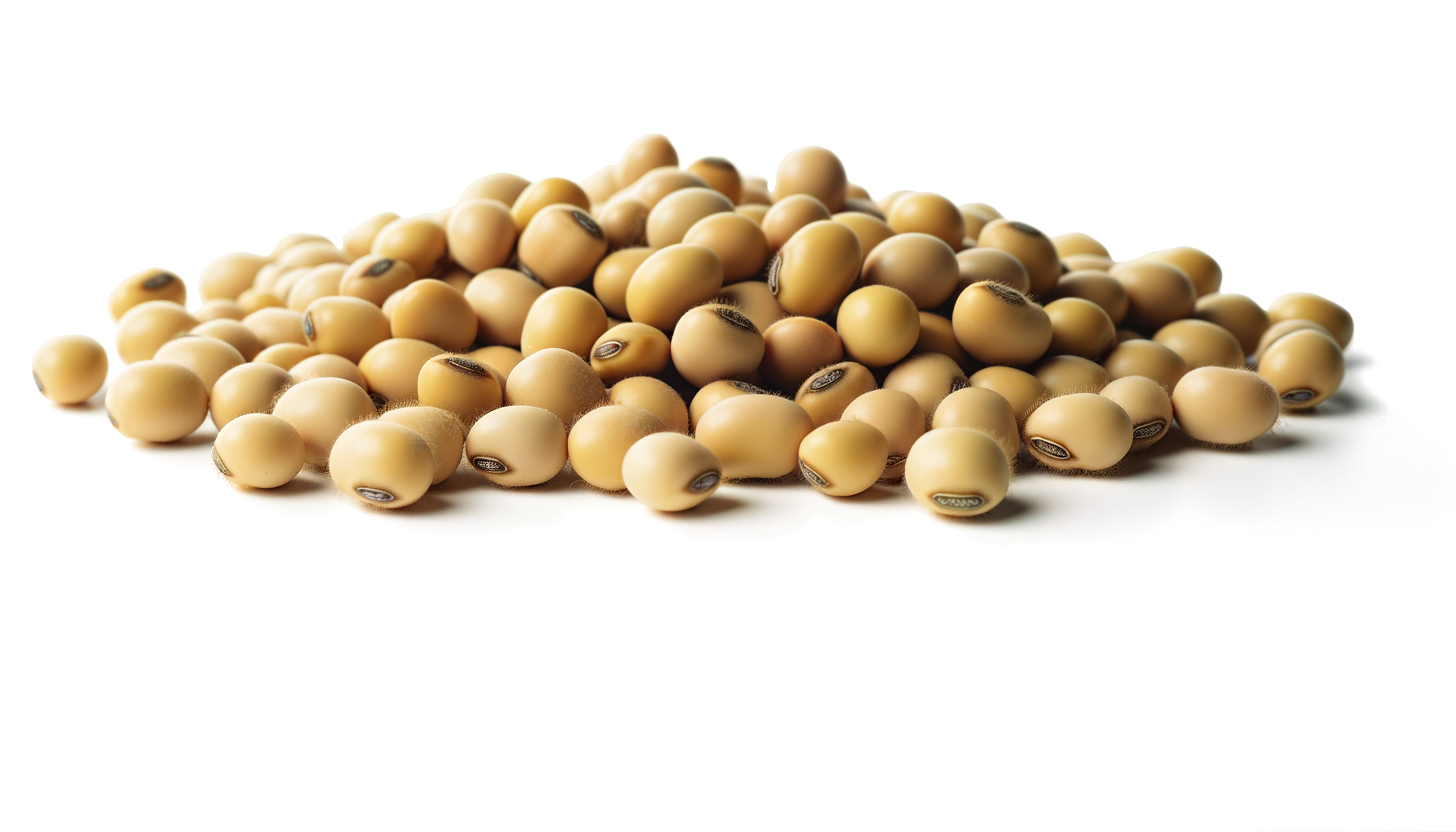
Soybean
Glycine max
Sensory Profile
Tastes
Basic flavor profiles
Aromas
Scent characteristics
Stimuli
Sensory sensations
Textures
Physical properties
About Soybean
Soybeans have a mild, slightly nutty flavor with a creamy texture. When processed, they can take on a variety of flavors, making them versatile in both savory and sweet dishes. The taste can vary depending on the preparation method, with roasted soybeans offering a deeper, more intense flavor. Soybeans are a staple in many cuisines, particularly in East Asian cooking. They are the primary ingredient in products such as tofu, soy milk, miso, and soy sauce. Whole soybeans can be boiled and used in salads, soups, or as a protein-rich snack. Edamame, young green soybeans, are often steamed and served as an appetizer. In addition to traditional dishes, soy flour and soy protein are increasingly used in gluten-free and vegetarian recipes as a meat substitute. Native to East Asia, soybeans have been cultivated for thousands of years, with evidence of domestication dating back to around 1100 BC in China. They spread throughout Asia and were introduced to the Americas in the 18th century, where they have since become a major agricultural crop. Soybeans are notable for their high protein content, making them a crucial source of plant-based protein. They are also rich in essential fatty acids, vitamins, and minerals. The beans can be found in various forms, including whole, split, or as flour.
Associated health effects(88)
- Short-Chain Fatty Acid Support
- Zinc
- Satiety Enhancement
- Insulin Sensitivity Enhancement
- Micronutrient Density
- Cancer Mortality Risk Reduction
- Menopausal Symptom Modulation
- Potential Additive-Induced Gut Disturbance
- Polyunsaturated Fatty Acid Support
- Drug Interactions
- Flatulence and Bloating
- Phytate Mineral Bioavailability Reduction
- Cardiovascular Protection
- Antioxidant
- Diabetes Management
- Allergic Reactions
- Cardiovascular Health
- Allergy Risk
- Bone Resorption Inhibition
- Omega-6 Imbalance Risk
- Phytosterol-Mediated Cholesterol Reduction
- Phytosterol-Mediated Blood Pressure Reduction
- Short-Chain Fatty Acid Production
- Blood Pressure Reduction
- Gut Microbiota Modulation
- Folate Source
- Type 2 Diabetes Prevention
- Nutritional Advantages
- Metabolic Syndrome Protection
- Liver Support
- Blood Cholesterol Reduction
- Colonic Barrier Protection
- Equol Production Enhancement
- Protein Digestibility
- Vitamin K Source
- Omega-6 Excess Risk
- Bioactive Peptide Blood Pressure Support
- Cognitive Performance Enhancement
- Satiety Modulation
- Prebiotic Support (Fermented Soy)
- Blood Sugar Regulation
- Phytosterol-Mediated LDL Reduction
- Saponin-Mediated Cancer Risk Reduction
- Amino Acid Quality Support
- Immune Modulation
- Polyphenol-Mediated Antioxidant Activity
- Menopausal Symptom Relief
- Isoflavone-Mediated Cholesterol Reduction
- Muscle Protein Support
- Memory Enhancement
- Menopausal Hot Flash Reduction
- Iron Content Support
- Mineral Content
- Dietary Fiber
- Skin Health
- Interaction with Medications
- Cholesterol Absorption Inhibition
- Isoflavone-Mediated Cancer Risk Reduction
- Lunasin-Mediated Anticancer Activity
- Bone Health
- Menopausal Vasomotor Symptom Reduction
- Nutrient-Dense Protein Support
- Prebiotic Support
- Digestive Distress
- Cholesterol Management
- Phytoestrogen-Mediated Menopausal Symptom Relief
- Phytoestrogenic Activity
- Antinutrient Exposure
- Muscle Protein Synthesis Enhancement
- Protein Content
- Metabolic Disturbance (Soybean Oil-Specific)
- Weight Management
- Equol-Mediated Estrogen Receptor Modulation
- HDL Cholesterol
- LDL Cholesterol Reduction
- Muscle Mass Preservation
- Potassium
- Saponin-Mediated Cholesterol Reduction
- Fiber Content
- Triglyceride Reduction
- Complete Protein Support
- Colorectal Cancer Risk Reduction
- Magnesium
- Lipid Metabolism Support
- Lectin Exposure
- Anti-inflammatory
- Complete Protein Profile
- Cognitive Support
Nutrition per 100 g(4)
- Energy: 446 kcal
- Protein: 36 g
- Fat: 20 g
- Fiber: 9 g