
Soybean Oil Sensory Map
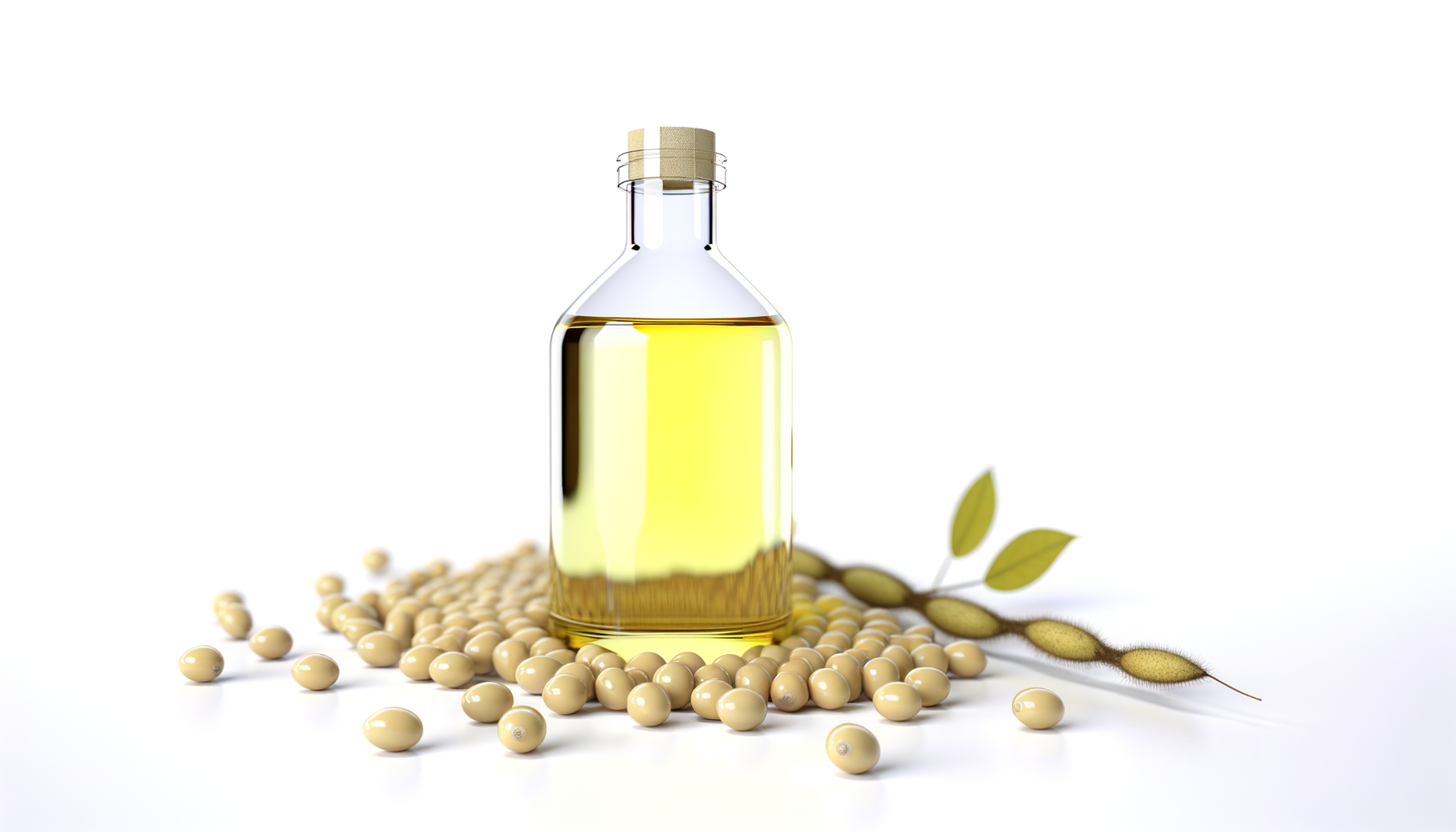
Soybean Oil
Glycine max
Sensory Profile
Tastes
Basic flavor profiles
Aromas
Scent characteristics
Stimuli
Sensory sensations
Textures
Physical properties
About Soybean Oil
Soybean oil has a mild, neutral flavor that allows it to complement a wide variety of dishes without overpowering other ingredients. Its subtle taste makes it an ideal base for dressings, marinades, and sauces. This versatile oil is widely used in cooking methods such as frying, sautéing, and baking due to its high smoke point (around 450°F or 232°C). It is commonly found in processed foods, salad dressings, and snacks. Additionally, soybean oil serves as a key ingredient in vegan and vegetarian recipes, providing a source of healthy fats. Its emulsifying properties make it popular in the production of mayonnaise and other emulsified sauces. Soybean oil is derived from the seeds of the soybean plant, which is native to East Asia. The cultivation of soybeans dates back over 3,000 years, with significant agricultural development occurring in China. Today, the United States, Brazil, and Argentina are the leading producers of soybean oil, contributing to its global availability. Soybean oil is rich in polyunsaturated fats, particularly omega-6 fatty acids, and contains a moderate amount of omega-3 fatty acids. It is also a good source of vitamin E, an antioxidant that helps preserve the oil's freshness. The oil is often refined to enhance its flavor and stability, making it suitable for high-heat
Associated health effects(61)
- Body Composition and Metabolic Effects
- Blood Pressure Support
- Coronary heart disease risk reduction
- Insulin Resistance Development
- Insulin Sensitivity Enhancement
- Body Weight
- Heated Oil Oxidative Stress
- Alpha-Linolenic Acid Support
- Heated Oil-Induced Organ Toxicity
- Polyunsaturated Fatty Acid Support
- High Smoke Point Culinary Stability
- Cardiovascular Protection
- Antioxidant
- Allergic Reactions
- Cardiovascular Health
- Fatty Liver
- Polyunsaturated Fatty Acid Provision
- Vitamin E Source
- Omega-6 Imbalance Risk
- Phytosterol-Mediated Cholesterol Reduction
- Gamma-Tocopherol Protective Activity
- Saturated Fat and Cholesterol
- Blood Pressure Reduction
- Type 2 Diabetes Prevention
- Cancer-Preventive
- Blood Cholesterol Reduction
- Refining and micronutrient loss
- Blood Sugar Support
- Vitamin E Content Support
- Omega-6 Excess Risk
- Phytosterol-Mediated LDL Reduction
- High Caloric Density
- Heated Oil-Induced Lipid Peroxidation
- Immune Modulation
- Polyphenol-Mediated Antioxidant Activity
- Atherosclerosis Prevention
- Intestinal Barrier Dysfunction
- Trans Fats in Partially Hydrogenated Forms
- Skin Health
- Cholesterol Absorption Inhibition
- Monounsaturated Fatty Acid Support
- Obesity and Weight Gain
- Bone Health
- Skin and Hair Health
- Blood Lipid Profile Improvement
- Cholesterol Management
- All-Cause Mortality Reduction
- Glycidyl Ester and 3-MCPD Ester Process Contaminant Exposure
- Metabolic Disturbance (Soybean Oil-Specific)
- Hair Health
- Weight Management
- HDL Cholesterol
- LDL Cholesterol Reduction
- Inflammatory Biomarker Elevation
- Vitamin E (gamma-tocopherol) Protective Activity
- Heated Oil Process Contaminant Exposure
- Omega-6 Fatty Acid Support
- Immune Function
- Weight Gain
- Phytosterol Content Support
- Anti-inflammatory
Nutrition per 100 g(4)
- Energy: 884 kcal
- Protein: 0 g
- Fat: 100 g
- Fiber: 0 g