
Spinach Sensory Map
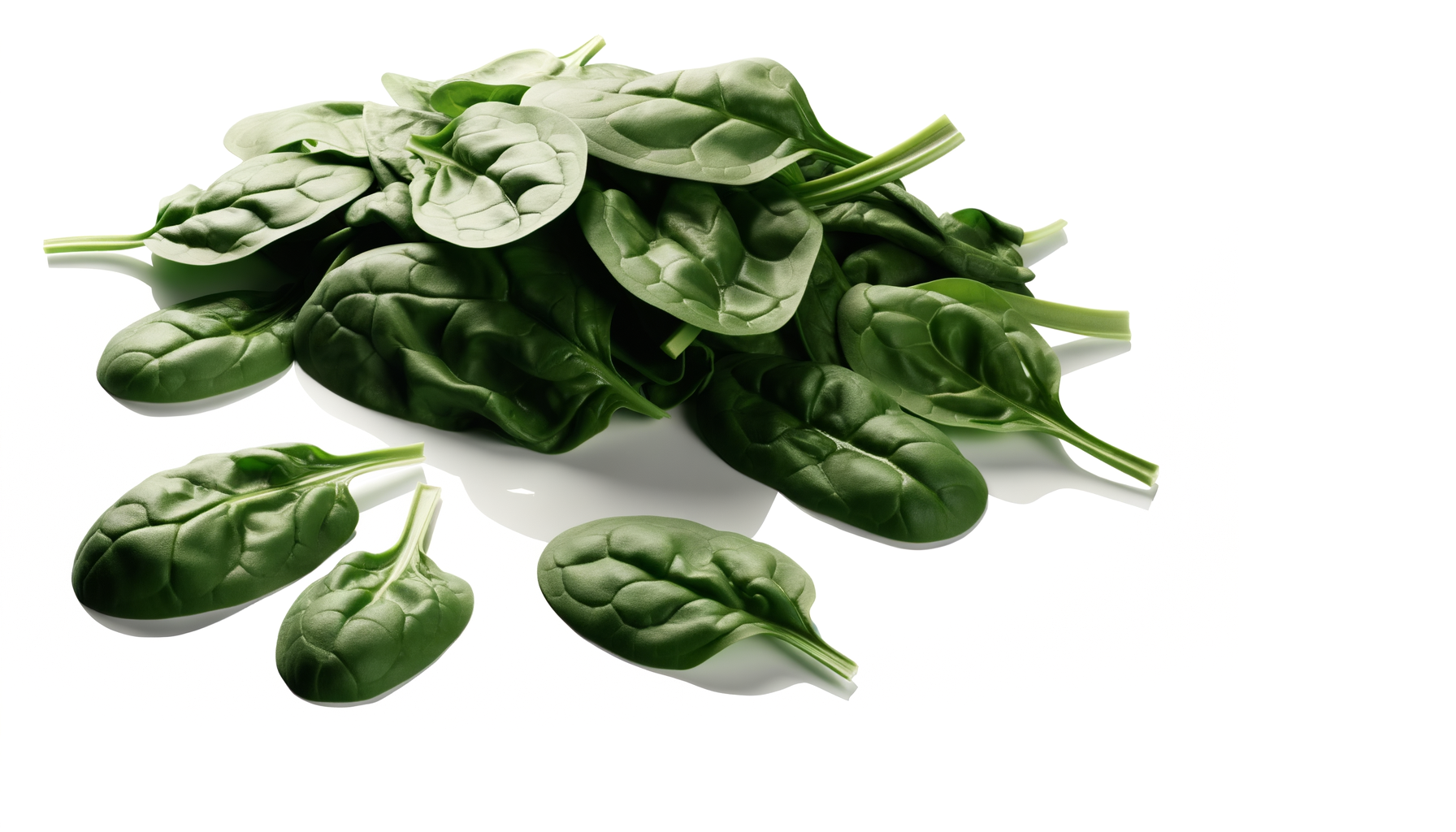
Spinach
Spinacia oleracea
Sensory Profile
Tastes
Basic flavor profiles
Aromas
Scent characteristics
Stimuli
Sensory sensations
Textures
Physical properties
About Spinach
Spinach boasts a mild, slightly earthy flavor with a hint of sweetness. Its tender leaves offer a fresh, green taste that can range from subtly grassy to slightly nutty, depending on the variety and preparation method. When cooked, spinach softens and develops a more pronounced umami quality, making it a versatile ingredient in various dishes. Spinach is a highly versatile leafy green used in a multitude of culinary applications. It can be enjoyed raw in salads, where its crisp texture adds freshness, or blended into smoothies for a nutrient boost. Cooked spinach is commonly featured in soups, stews, and casseroles, and is often sautéed with garlic and olive oil as a simple side dish. It also serves as a key ingredient in classic dishes such as spanakopita (Greek spinach pie), palak paneer (Indian spinach curry), and various pasta recipes. Spinach pairs well with a range of flavors, including citrus, nuts, cheese, and spices. Spinach is believed to have originated in Persia (modern-day Iran) and was cultivated as early as the 6th century. It spread to the Mediterranean region and was introduced to Europe in the Middle Ages, where it gained popularity for its nutritional value and culinary versatility. Today, spinach is grown worldwide, with significant production in the United States, China, and India.
Associated health effects(13)
- Cardiovascular Protection
- Allergic Reactions
- Nutritional Advantages
- Vitamin K Interaction
- Vision Protection
- Nitrate-Induced Vasodilation
- Dietary Fiber
- Skin Health
- Bone Health
- Anemia Prevention
- Nutrient Interference
- Anti-inflammatory
- Cognitive Support
Nutrition per 100 g(4)
- Energy: 23 kcal
- Protein: 2.9 g
- Fat: 0.4 g
- Fiber: 2.2 g