
Spirulina Sensory Map
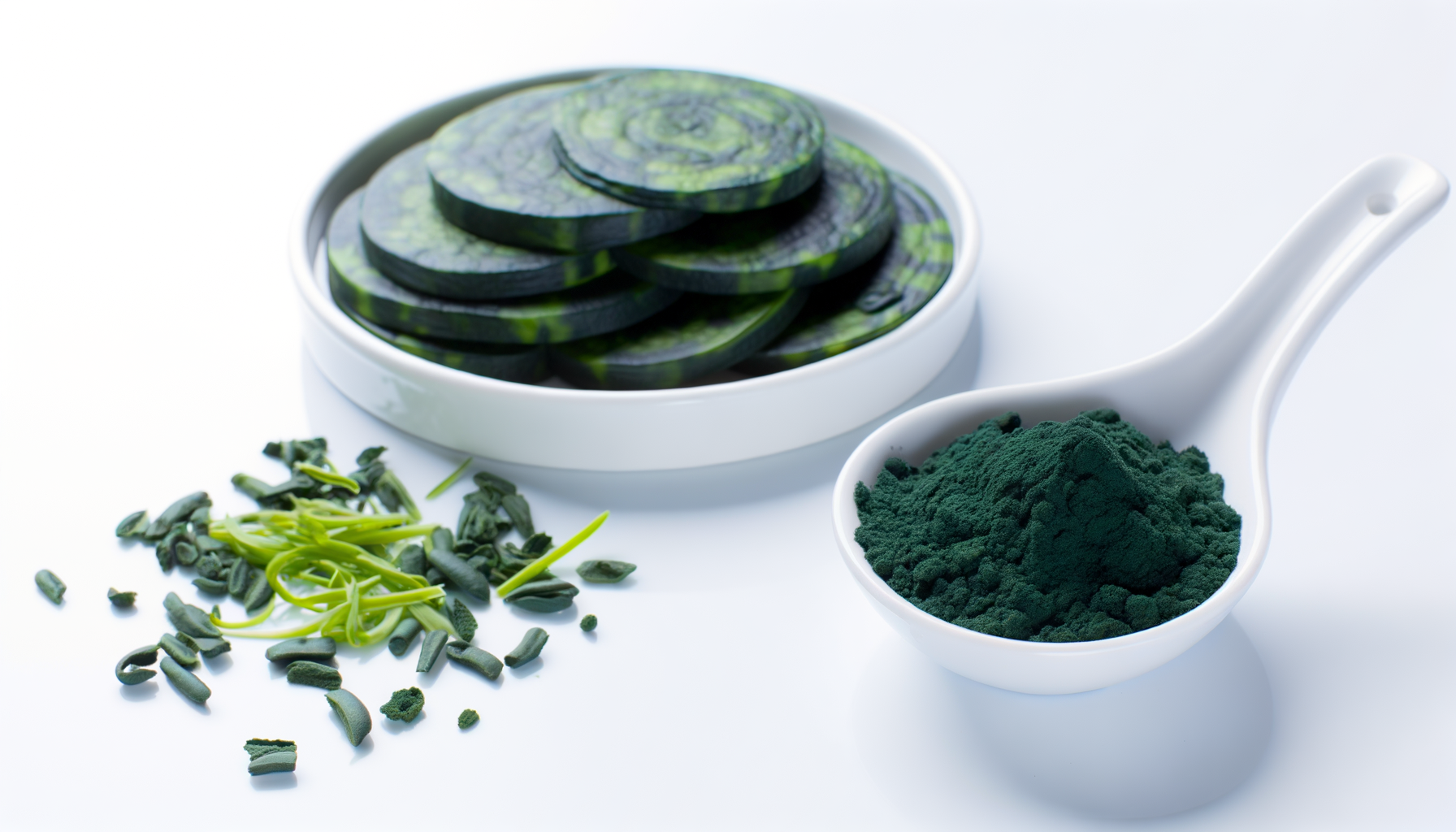
Spirulina
Arthrospira platensis
Sensory Profile
Tastes
Basic flavor profiles
Aromas
Scent characteristics
Stimuli
Sensory sensations
Textures
Physical properties
About Spirulina
Spirulina is a blue-green algae with a mild, slightly earthy flavor that can be reminiscent of seaweed. Its taste is often described as subtly nutty and grassy, making it a versatile ingredient that can enhance both savory and sweet dishes without overpowering them. Spirulina is commonly used in smoothies, juices, and health shakes due to its vibrant green color and nutritional benefits. It can also be incorporated into energy bars, salad dressings, and soups. In culinary applications, it is often used as a natural colorant for foods like pasta and baked goods, and it can be sprinkled over salads or blended into dips for an added nutritional boost. Spirulina has a long history of use, dating back to the Aztecs who harvested it from Lake Texcoco in Mexico. Today, it is cultivated in various parts of the world, including Asia, Africa, and South America, primarily in freshwater ponds and lakes where conditions are optimal for its growth. Spirulina is renowned for its impressive nutritional profile, being rich in protein, vitamins (especially B12), minerals, and antioxidants. It is considered a superfood due to its high concentration of essential amino acids and omega-3 fatty acids. Spirulina's vibrant blue-green color is attributed to its high chlorophyll content and phycocyanin
Associated health effects(88)
- Body Composition and Metabolic Effects
- Blood Pressure Support
- Insulin Sensitivity Enhancement
- Micronutrient Density
- Dental Caries Reduction
- Dietary Prebiotic Support
- Drug Interactions
- Phycocyanin-Mediated Antioxidant Activity
- Oral Plaque and Gingivitis Reduction
- Beta-Carotene-Mediated Vitamin A Support
- Cardiovascular Protection
- Adipogenesis Suppression
- Antioxidant
- Immunomodulatory Activity
- Allergic Reactions
- Cardiovascular Health
- Dose-Dependent Effects
- Phycocyanin Provision
- Central Obesity Reduction
- Allergy Risk
- Digestive Tolerance
- Blood Pressure Reduction
- Vitamin Content Support
- Nutritional Advantages
- Metabolic Syndrome Protection
- Cancer Cell Inhibition via Polyphenols
- Lipid Profile Improvement
- Blood Cholesterol Reduction
- HDL Cholesterol Elevation
- Polysaccharide-Mediated Immune Modulation
- Phenylketonuria (PKU) contraindication
- Blood Sugar Support
- Heavy Metal Contamination Risk
- Antidiabetic Activity
- Microcystin Contamination Risk
- Blood Sugar Regulation
- Cyanotoxin Contamination Risk
- Dental Plaque Inhibition
- Amino Acid Quality Support
- Immune Booster
- Immune Modulation
- Spirulina-Associated Antiallergic Activity
- Phycocyanin-Mediated Cardioprotection
- Amino Acid Support
- Phycocyanin Antioxidant Activity
- Salivary IgA Enhancement
- Foodborne Illness Risk
- Iron Content Support
- Mineral Content
- Digestive Discomfort
- Hepatoprotection
- Polysaccharide Immune Modulation
- Dental Inflammation Reduction
- Interaction with Medications
- Allergic Reaction Risk
- Cholesterol Absorption Inhibition
- Chlorophyll Support
- Blood Lipid Profile Improvement
- Nutrient-Dense Protein Support
- Cholesterol Management
- Autoimmune Exacerbation
- Anemia Prevention
- Protein Content
- Weight Management
- Anti-fatigue and Improved Physical Performance
- Polyphenol-Mediated Neuroprotection
- B Vitamin Nervous System Support
- LDL Cholesterol Reduction
- GLA Omega-6 Fatty Acid Support
- Allergy Relief
- Triglyceride Reduction
- Immune Function
- Phycocyanin Anti-inflammatory Activity
- Neuroprotection
- Complete Protein Support
- Antiviral
- GLA Omega-6 Fatty Acid Skin Barrier Support
- Eye Health
- Lipid Metabolism Support
- Digestive Aid
- Cholesterol Improvement
- Insulin Sensitivity Support
- Digestive Health
- Anticancer Potential
- Anti-inflammatory
- Complete Protein Profile
- Heavy Metal Contamination Risk from Cyanobacterial Biomass
- Cardiometabolic Syndrome Protection
Nutrition per 100 g(4)
- Energy: 290 kcal
- Protein: 57 g
- Fat: 7 g
- Fiber: 3.6 g