
Squid Sensory Map
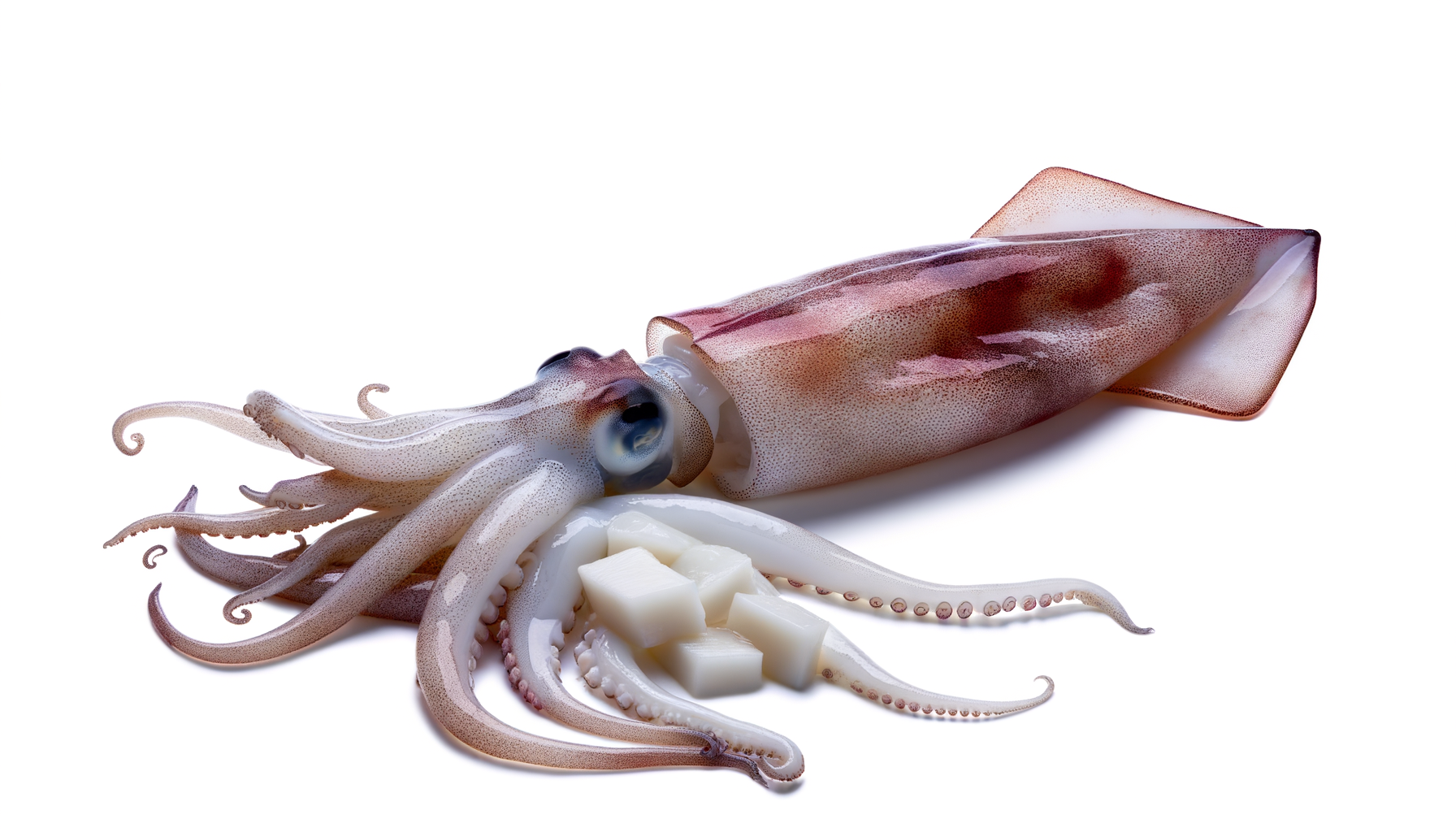
Squid
Teuthida
Sensory Profile
Tastes
Basic flavor profiles
Aromas
Scent characteristics
Stimuli
Sensory sensations
Textures
Physical properties
About Squid
Squid, also known as 'Calamari', boasts a mild, slightly sweet flavor with a tender yet firm texture. When cooked properly, it has a delicate, oceanic taste that can absorb and enhance surrounding flavors, making it a versatile ingredient in various dishes. Squid is a staple in many cuisines around the world. It is commonly prepared in a variety of ways, including grilling, frying, and sautéing. Popular dishes include calamari, where it is often breaded and deep-fried, and in Mediterranean and Asian cuisines, where it is featured in stir-fries, pasta, and seafood stews. Squid ink is also prized for its rich, briny flavor and is used to color and flavor risottos and pasta. Squid belongs to the class Cephalopoda, which includes octopuses and cuttlefish. They are found in oceans worldwide, from shallow coastal waters to the deep sea. Different species of squid are harvested in various regions, with notable varieties including the common squid (Loligo vulgaris) and the giant squid (Architeuthis dux). Squid are characterized by their elongated bodies, large eyes, and eight arms equipped with suckers. They possess a unique ability to change color and texture, thanks to specialized cells called chromatophores. This adaptability not only aids in camouflage but also plays a role in communication.
Associated health effects(92)
- Zinc
- Vitamin B3 (Niacin)-Mediated Energy Metabolism Support
- Taurine Provision
- Squid Ink Immunomodulation
- Satiety Enhancement
- Cholesterol Content Support
- Micronutrient Density
- Selenium Status Improvement
- Heavy Metal Exposure
- Anti-arthritic
- Muscle Maintenance
- Copper
- Antioxidant
- Allergic Reactions
- Cardiovascular Health
- Vitamin E Source
- Low Mercury Content
- Blood Pressure Reduction
- Squid Ink Bioactive Protection
- Thyroid Health
- PFAS Exposure
- Wound Healing
- Cancer-Preventive
- Marine Biotoxin Exposure Risk
- Lipid Profile Improvement
- Blood Cholesterol Reduction
- Low Fat Content
- Selenium-Mediated Thyroid Support
- Blood Sugar Support
- Squid Ink Bioactive Support
- Choline Deficiency Prevention
- Low Saturated Fat Content
- B12 Deficiency Prevention
- Heavy Metal Contamination Risk
- Low Caloric Density
- Easily Digestible Protein Support
- Bacterial Contamination Risk
- Micronutrient-Dense Protein Support
- Blood Sugar Regulation
- Taurine-Mediated Blood Pressure Support
- Amino Acid Quality Support
- Immune Booster
- High Sodium Content
- Immune Modulation
- Taurine Blood Pressure Regulation
- Squid Ink Bioactivity
- Squid Allergenicity
- Taurine-Mediated Blood Pressure Regulation
- Dopamine Synthesis Support
- Muscle Protein Support
- Foodborne Illness Risk
- Iron Content Support
- Thyroid Support
- Mineral Content
- Allergic Reaction Risk
- Cholesterol Absorption Inhibition
- High Cholesterol Content
- Bone Health
- Vitamin B12 Deficiency Prevention
- Choline Support
- Blood Lipid Profile Improvement
- Nutrient-Dense Protein Support
- Cholesterol Management
- Anemia Prevention
- Brain Health
- Dopamine Provision
- Phosphorus
- Selenium Content Support
- Protein Content
- Digestive Protection
- Selenium Antioxidant Activity
- B12 Content Support
- Hypolipidemic Activity
- Weight Management
- B Vitamin Nervous System Support
- Iodine Provision
- Selenium-Mediated Antioxidant and Immune Support
- Vitamin B6 Nervous System Support
- Potassium
- High Satiety
- Choline Content Support
- Immune Function
- Low Glycemic Impact
- Zinc Content Support
- Complete Protein Support
- Magnesium
- DHA Provision
- Digestive Aid
- Anticancer Potential
- High-Quality Protein Provision
- Anti-inflammatory
- Complete Protein Provision
Nutrition per 100 g(4)
- Energy: 70 kcal
- Protein: 15.6 g
- Fat: 1.4 g
- Fiber: 0 g