
St. John's Wort Sensory Map
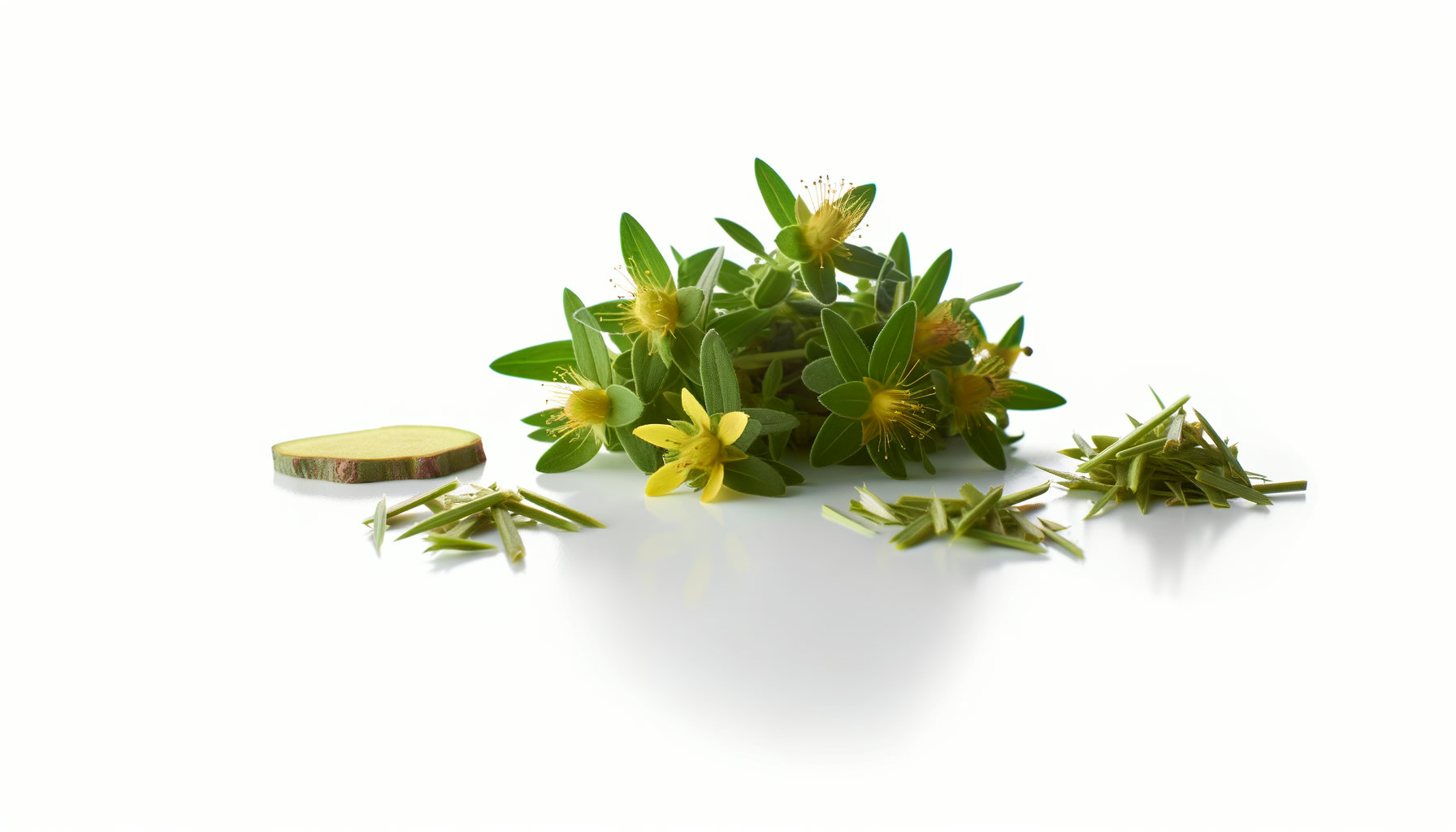
St. John's Wort
Hypericum perforatum
Sensory Profile
Tastes
Basic flavor profiles
Aromas
Scent characteristics
Stimuli
Sensory sensations
Textures
Physical properties
About St. John's Wort
St. John's Wort (Hypericum perforatum), a member of the Hypericaceae family, is a herb renowned for its bright yellow flowers and distinctive, slightly bitter flavor profile that carries subtle notes of earthiness and a hint of resinous sweetness. Its aroma is complex, featuring a warm, herbal scent with underlying floral and grassy undertones, which can enhance the sensory experience of dishes when used thoughtfully. The texture of St. John's Wort is delicate, with its leaves and flowers lending a gentle, almost velvety mouthfeel to culinary applications. In culinary contexts, St. John's Wort is traditionally used in herbal infusions and as a flavoring agent in liqueurs, such as the Italian *St. John's Wort liqueur*, which captures the herb's unique flavor and aroma, making it a delightful addition to cocktails. Additionally, it can be incorporated into savory dishes like roasted meats or vegetable medleys, where its bitterness can balance richer flavors and provide a refreshing contrast. The herb's natural oils can also interact with fats, enhancing the overall flavor profile through the release of aromatic compounds during cooking. Geographically, St. John's Wort is native to Europe but has spread to various temperate regions worldwide, where it holds cultural significance in traditional herbal medicine and cuisine. Historically, it has been harvested during the summer solstice, aligning with its association with St. John the Baptist, which adds a layer of cultural richness to its culinary use. Traditional production methods often involve careful hand-harvesting and drying, which preserve its potent phytochemicals, including hypericin and hyperforin, known for their therapeutic properties. What sets St. John's Wort apart in the culinary realm is its unique chemical composition, which can influence the flavor dynamics of dishes. Its essential oils, when released through heat, can enhance the umami qualities of proteins, making it an intriguing ingredient for chefs looking to elevate their dishes. Furthermore, the herb's potential to impart a slight astringency can create a pleasing contrast in rich, fatty foods, making it a valuable addition to a chef's repertoire for both flavor and health benefits.
Associated health effects(35)
- Menstrual Support
- Anxiety Relief
- Mood Alterations
- Antidepressant
- Body Weight
- Menopausal Symptom Modulation
- Drug Interactions
- Antioxidant
- Allergic Reactions
- Dose-Dependent Effects
- Photosensitivity
- Sleep Quality Enhancement
- Analgesic Activity
- Mania Induction
- Headache Trigger
- Wound Healing
- Photosensitivity Reaction
- Cytochrome P450 Induction
- No Unique Nutritional Advantage
- Photosensitivity and Skin Irritation
- Psoriasis Symptom Relief
- Serotonin Syndrome Risk
- Immune Modulation
- PMS Symptom Relief
- At-Risk Populations
- Digestive Discomfort
- Mild side effects
- Gastrointestinal Discomfort
- Digestive Distress
- Topical Antimicrobial Activity
- Antibacterial
- Neuroprotection
- Antiviral
- Sleep Disruption
- Anti-inflammatory
Nutrition per 100 g(4)
- Energy: 50 kcal
- Protein: 2 g
- Fat: 1 g
- Fiber: 3 g