
Stinging Nettle Sensory Map
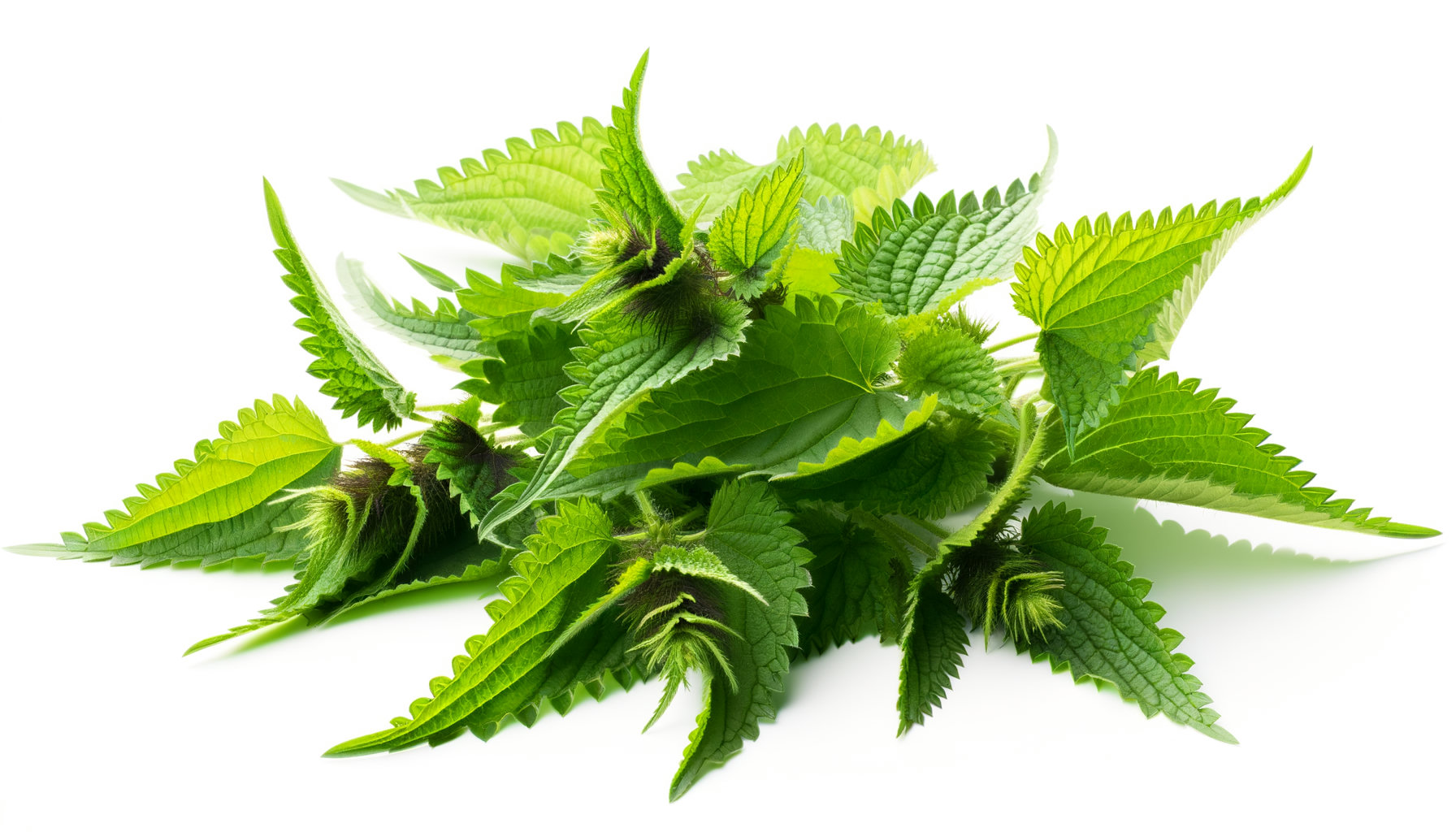
Stinging Nettle
Urtica dioica
Sensory Profile
Tastes
Basic flavor profiles
Aromas
Scent characteristics
Stimuli
Sensory sensations
Textures
Physical properties
About Stinging Nettle
Stinging Nettle (Urtica dioica), a member of the Urticaceae family, is a perennial herb renowned for its distinctive, slightly grassy flavor with a hint of earthiness and a subtle, almost nutty undertone. When fresh, its leaves exude a fresh, green aroma reminiscent of springtime, while its texture is tender yet fibrous, lending a unique mouthfeel when cooked. In culinary applications, stinging nettle shines in iconic dishes such as nettle soup, where its vibrant green color and delicate flavor harmonize beautifully with potatoes and leeks, creating a creamy, nutrient-rich base that showcases the herb's natural sweetness. Additionally, it is integral to traditional Italian risotto alla nettle, where the herb's chlorophyll-rich leaves impart a striking hue and a complex flavor profile, enhancing the dish's umami depth through the Maillard reaction during cooking. Originating from temperate regions of Europe, Asia, and North America, stinging nettle has been a staple in various cultural cuisines, particularly in Eastern European and Scandinavian traditions, where it is often foraged in springtime as a symbol of renewal and vitality. Traditionally harvested by hand, care is taken to avoid the stinging hairs that cover the leaves, which contain histamines and other compounds that can irritate the skin; however, cooking or drying neutralizes these effects, making the herb safe and palatable. What distinguishes stinging nettle is its high nutrient content, including vitamins A, C, and K, as well as iron and calcium, which not only contribute to its health benefits but also enhance the flavor profile when incorporated into dishes. Its ability to retain vibrant color and flavor even after cooking sets it apart from many other leafy greens, making it a valuable ingredient for chefs seeking to elevate their culinary creations with both nutrition and taste.
Associated health effects(34)
- Micronutrient Density
- Nitric Oxide-Mediated Vasodilation
- Anti-ulcer Activity
- Hypoglycemic Activity
- Calcium Content Support
- Antioxidant
- Joint Pain Relief
- Allergic Reactions
- Allergy Risk
- BPH Symptom Relief
- Histamine Receptor Inhibition
- Analgesic Activity
- Blood Pressure Reduction
- Wound Healing
- Pain Relief
- Blood Sugar Support
- Hepatoprotective and Hypolipidemic Activity
- Antidiabetic Activity
- Blood Sugar Regulation
- Antihistamine Activity
- Iron Content Support
- UD-1 Compound-Mediated Hypoglycemic Activity
- At-Risk Populations
- Mineral Content
- Dietary Fiber
- Blood Lipid Profile Improvement
- Manganese
- Diuretic Activity
- Arthritis Symptom Relief
- Allergy Relief
- Antibacterial
- Contact Dermatitis
- Digestive Aid
- Anti-inflammatory
Nutrition per 100 g(4)
- Energy: 42 kcal
- Protein: 2.71 g
- Fat: 0.11 g
- Fiber: 6.9 g