
Strawberry Sensory Map
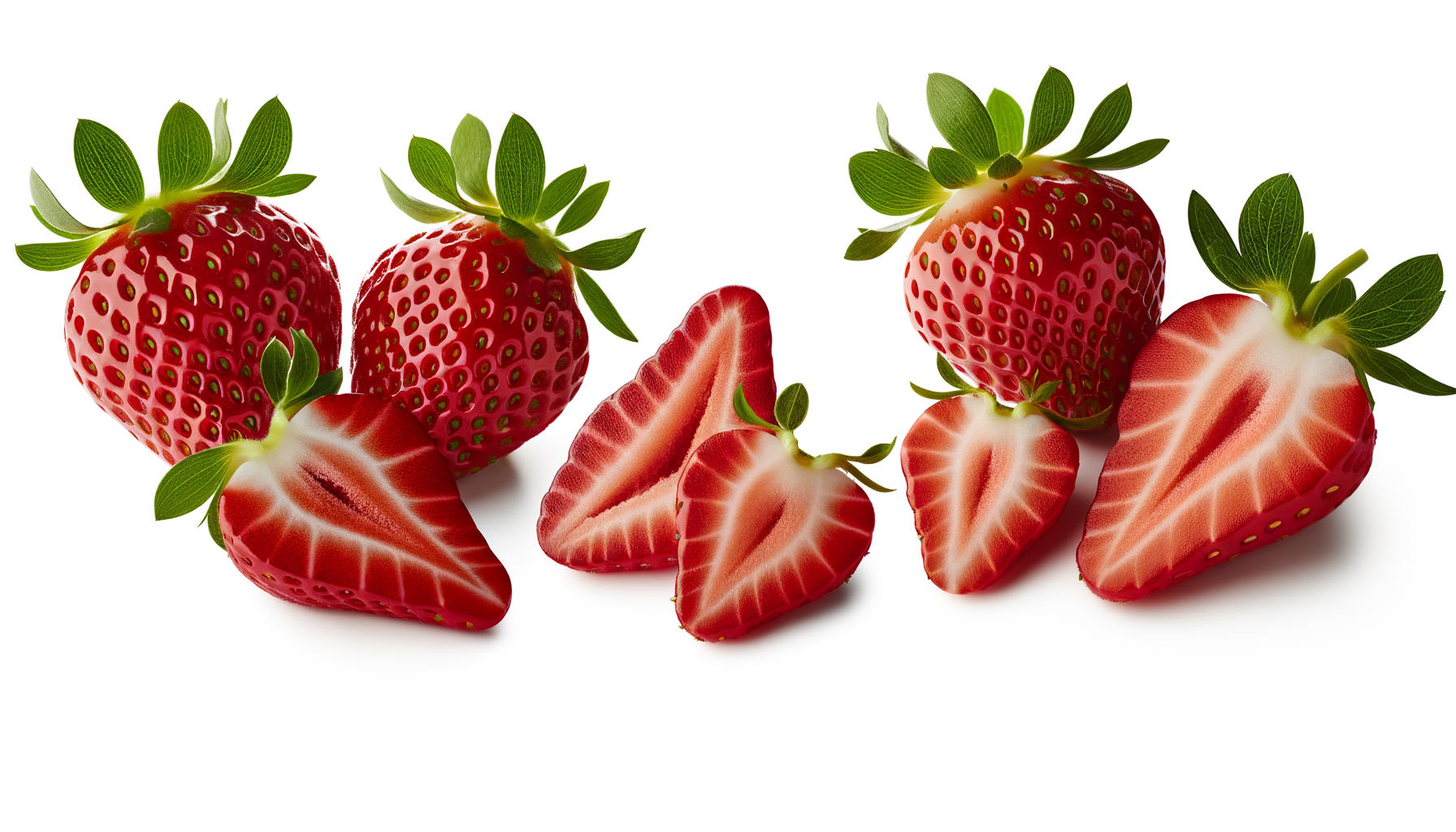
Strawberry
Fragaria magna
Sensory Profile
Tastes
Basic flavor profiles
Aromas
Scent characteristics
Stimuli
Sensory sensations
Textures
Physical properties
About Strawberry
Strawberries are celebrated for their vibrant, sweet-tart flavor, characterized by a juicy, refreshing taste with subtle floral notes. The balance of sweetness and acidity makes them versatile, enhancing both sweet and savory dishes. Strawberries are widely used in a variety of culinary applications. They are commonly enjoyed fresh, added to salads, or blended into smoothies. In desserts, strawberries shine in pies, tarts, and ice creams, while their natural sweetness complements savory dishes such as salads with balsamic vinaigrette or paired with cheeses. Additionally, they can be transformed into jams, sauces, and syrups, making them a staple in both home kitchens and professional culinary settings. Native to North America and parts of Europe, strawberries have been cultivated for centuries. The modern cultivated strawberry, Fragaria × ananassa, is a hybrid that originated in Europe in the 18th century. The wild strawberry, Fragaria vesca, is still found in many regions and contributes to the genetic diversity of cultivated varieties. Strawberries are easily recognizable by their bright red color, green leafy cap, and tiny seeds on their surface. They are not only visually appealing but also packed with vitamins, antioxidants, and dietary fiber, making them a nutritious choice. Their season typically spans from late spring to early summer, during which they are at their peak flavor
Associated health effects(30)
- Safety and Toxicity
- Vitamin C Source
- Polyphenol-Mediated LDL Oxidation Reduction
- Cardiovascular Protection
- Antioxidant
- Allergic Reactions
- Allergy Risk
- Blood Pressure Reduction
- Folate Source
- Nutritional Advantages
- Blood Sugar Support
- Blood Sugar Regulation
- Polyphenol-Mediated Endothelial Function Enhancement
- Pesticide Residue Exposure
- Polyphenol-Mediated Antioxidant Activity
- Anti-obesity Activity
- Dietary Fiber
- Skin Health
- Cholesterol Management
- Joint Health
- Antioxidant Immunity Support
- Antiproliferative Activity
- Weight Management
- LDL Cholesterol Reduction
- Triglyceride Reduction
- Gastrointestinal Distress
- Eye Health
- Anticancer Potential
- Anti-inflammatory
- Cognitive Support
Nutrition per 100 g(4)
- Energy: 32 kcal
- Protein: 0.7 g
- Fat: 0.3 g
- Fiber: 2 g