
Sumac Sensory Map
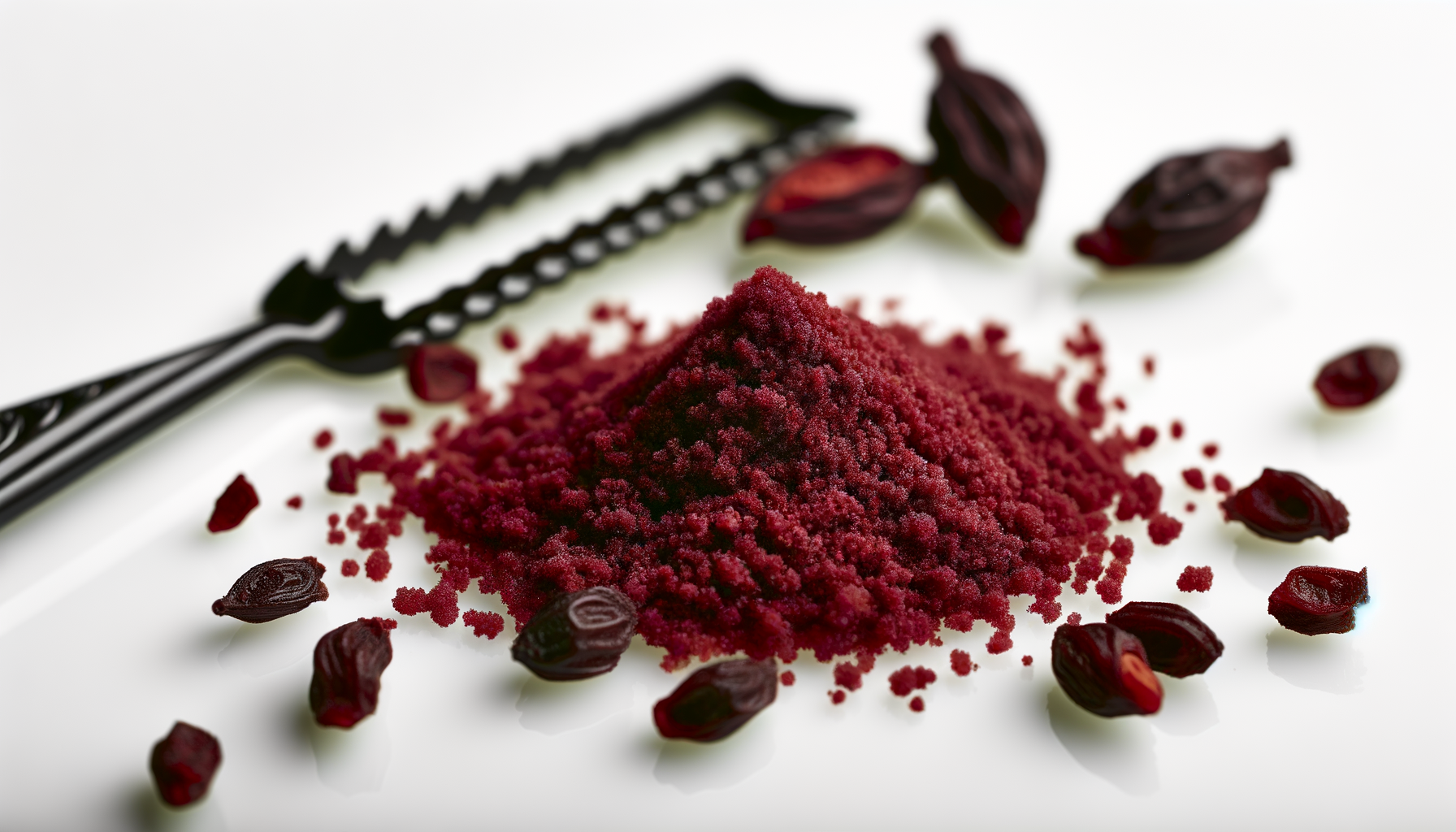
Sumac
Rhus coriaria
Sensory Profile
Tastes
Basic flavor profiles
Aromas
Scent characteristics
Stimuli
Sensory sensations
Textures
Physical properties
About Sumac
Sumac, Rhus coriaria, is characterized by its tangy, lemony flavor with a subtle tartness that adds brightness to dishes. Its unique profile is often described as a balance between sour and slightly fruity, making it an excellent seasoning for enhancing the overall taste of various foods. Widely used in Middle Eastern and Mediterranean cuisines, sumac is a versatile spice that can be sprinkled over salads, grilled meats, and vegetables. It is a key ingredient in the traditional spice blend za'atar and is often used to season rice, yogurt, and dips like hummus. Sumac can also be incorporated into marinades and dressings, providing a refreshing acidity that complements rich flavors. Sumac is derived from the dried and ground berries of the sumac plant, primarily found in the Mediterranean region, the Middle East, and parts of North America. Historically, it has been used for centuries, both for its culinary applications and as a natural dye. Sumac is notable for its deep red to purple hue, which adds visual appeal to dishes. It is often sold in powdered form, making it easy to incorporate into various recipes. Beyond its culinary uses, sumac is also praised for its antioxidant properties and has been traditionally used in herbal medicine. Its ability to enhance flavors without adding salt makes it a valuable ingredient for health-conscious cooking.
Associated health effects(10)
- Appetite Stimulant
- Antioxidant
- Allergic Reactions
- Nutritional Advantages
- Wound Healing
- Antifungal
- Hypolipidemic Activity
- Antibacterial
- Antiviral
- Anti-inflammatory
Nutrition per 100 g(4)
- Energy: 303 kcal
- Protein: 9 g
- Fat: 2.5 g
- Fiber: 25 g