
Sweet Paprika Powder Sensory Map
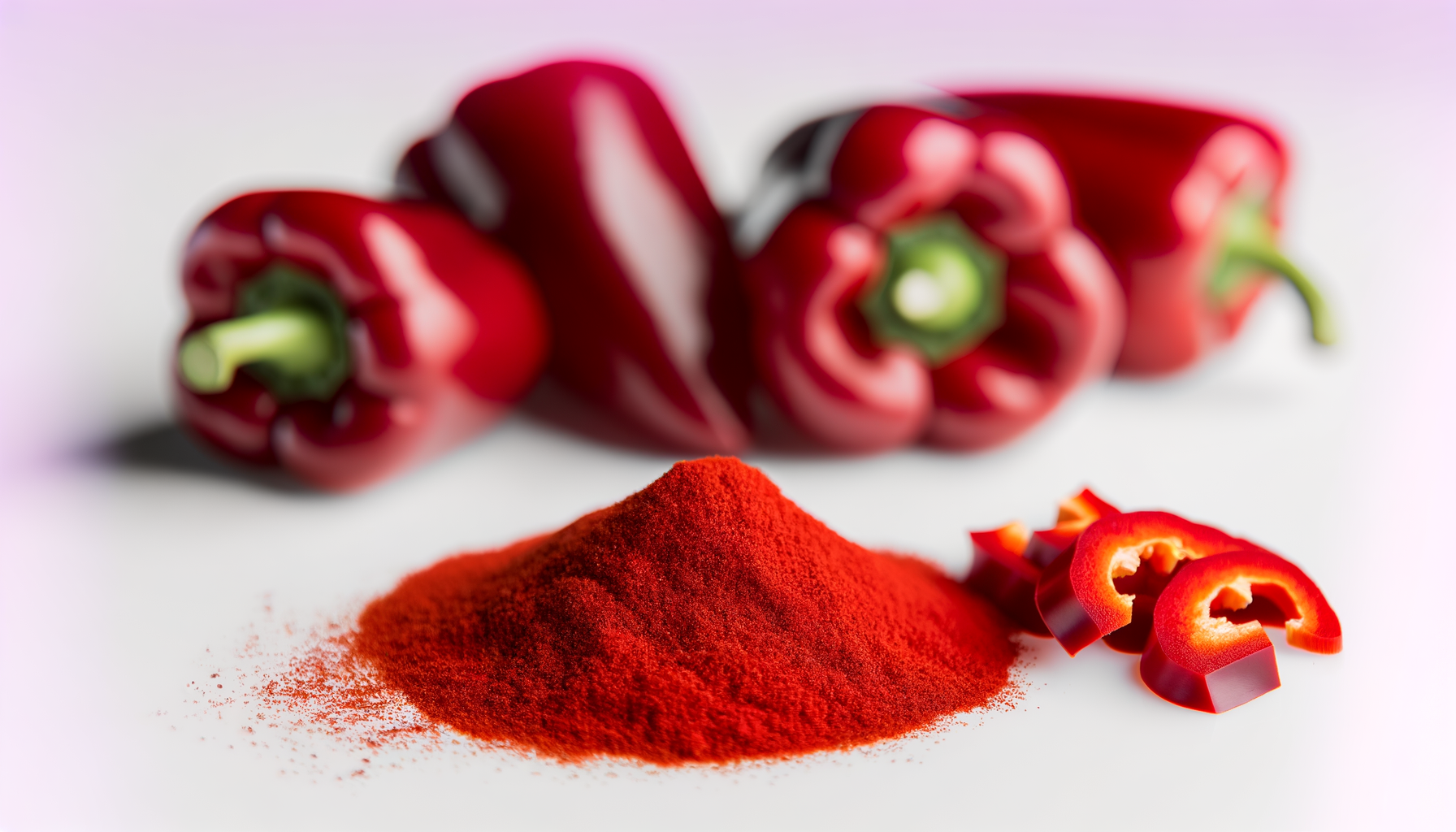
Sweet Paprika Powder
Capsicum annuum
Sensory Profile
Tastes
Basic flavor profiles
Aromas
Scent characteristics
Stimuli
Sensory sensations
Textures
Physical properties
About Sweet Paprika Powder
Paprika powder is renowned for its vibrant red hue and complex flavor profile, which can range from sweet and mild to smoky and hot, depending on the specific variety. The sweetness is often accompanied by subtle earthy undertones, while smoked paprika introduces a rich, deep flavor reminiscent of charred peppers. Paprika is a versatile spice widely used in various cuisines, particularly in Hungarian, Spanish, and Mediterranean dishes. It is commonly employed to season stews, soups, and sauces, adding both color and depth. It is also a key ingredient in dishes such as goulash and paella. In addition to cooking, paprika is often used as a garnish for deviled eggs, potato salads, and other dishes, enhancing visual appeal and flavor. Paprika originated in Central America, where it was cultivated by indigenous peoples before being introduced to Europe in the 16th century. It became particularly popular in Hungary and Spain, where distinct varieties were developed, each with unique flavor profiles and heat levels. Paprika is characterized by its vibrant red color, which can vary from bright crimson to deep burgundy, depending on the drying and grinding process. The spice is made from dried and ground Capsicum annuum peppers, and its flavor can be influenced by factors such as the region of cultivation and the specific pepper variety used. Smoked paprika, or piment
Associated health effects(20)
- UV Skin Protection
- Antioxidant
- Allergic Reactions
- Vitamin E Source
- Nutritional Advantages
- Pain Relief
- Immune Booster
- Carotenoid Source
- Digestive Irritation
- Flavor and Culinary Use
- Capsaicin-Induced Thermogenesis
- Skin Health
- Interaction with Medications
- Cholesterol Management
- Carotenoid Eye Protection
- Weight Management
- Heart Health
- Digestive Aid
- Vitamin A Source
- Anti-inflammatory
Nutrition per 100 g(4)
- Energy: 282 kcal
- Protein: 14 g
- Fat: 13 g
- Fiber: 34 g