
Sweet Woodruff Sensory Map
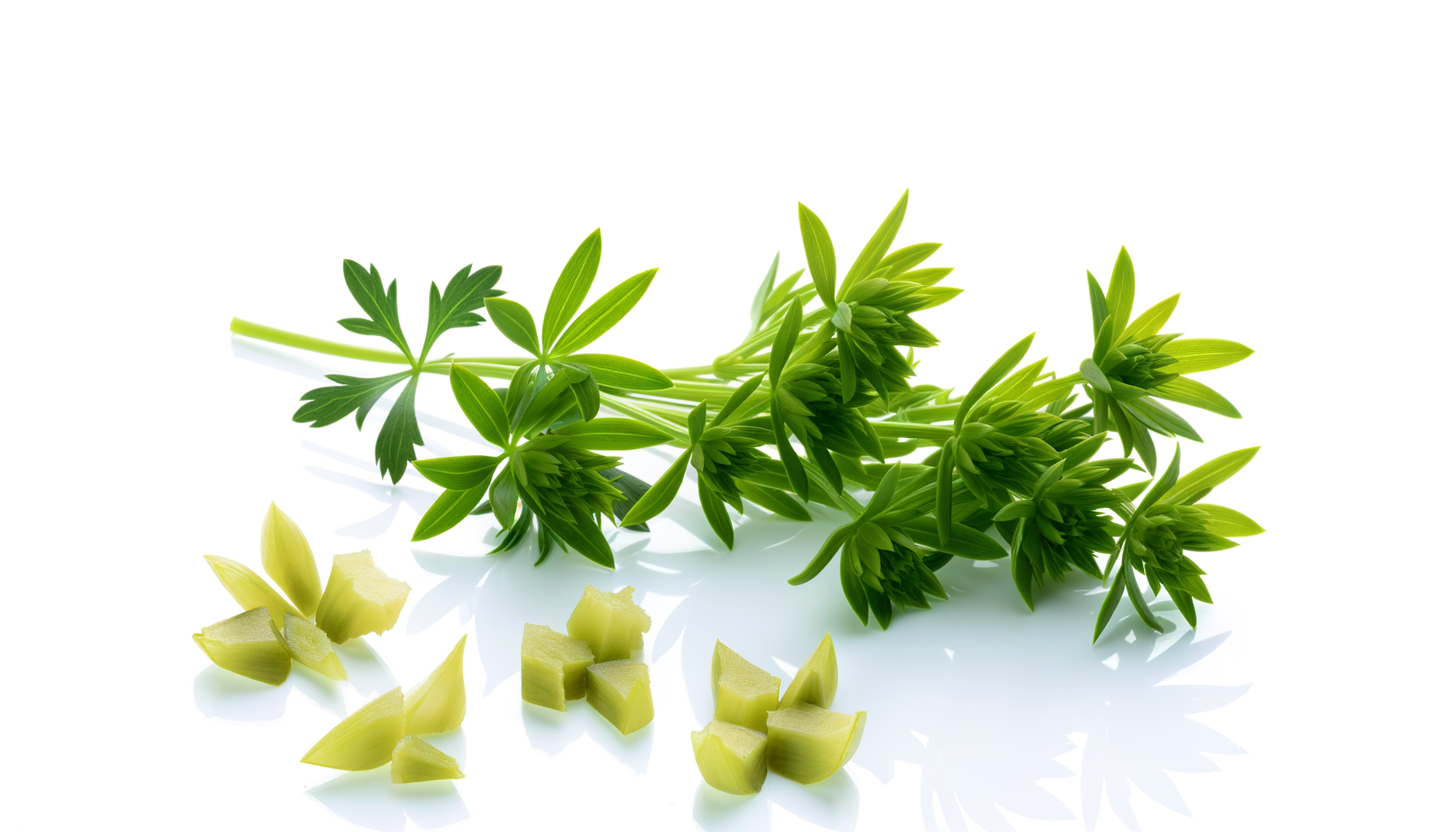
Sweet Woodruff
Galium odoratum
Sensory Profile
Tastes
Basic flavor profiles
Aromas
Scent characteristics
Stimuli
Sensory sensations
Textures
Physical properties
About Sweet Woodruff
Sweet Woodruff is renowned for its delicate, sweet, and slightly grassy flavor, reminiscent of freshly cut hay with hints of vanilla and clover. Its aromatic qualities are most pronounced when dried, offering a subtle sweetness that enhances both sweet and savory dishes. Traditionally, Sweet Woodruff is used in European cuisine, particularly in German and Scandinavian dishes. It is a key ingredient in the classic May wine (Maibowle), where its fragrant leaves infuse white wine with a refreshing aroma. Additionally, it can be used to flavor desserts, such as custards, jellies, and syrups, as well as in herbal teas. Its unique flavor also complements fruit salads and creamy sauces, adding an aromatic depth. Native to Europe and parts of Asia, Sweet Woodruff thrives in shaded, moist woodland areas. It has been used since ancient times, both for its culinary properties and medicinal benefits, including its use as a mild sedative and digestive aid. Sweet Woodruff is characterized by its whorled leaves and small, star-shaped white flowers that bloom in spring. The plant grows low to the ground, forming dense mats that can spread quickly in suitable environments. Its leaves contain coumarin, a compound that contributes to its sweet aroma and is responsible for its flavor profile.
Associated health effects(67)
- Digestive Motility Enhancement
- Circulation Support
- Liver Damage
- Limited Nutritional Advantages
- Anticoagulant Effects
- Appetite Stimulant
- Antithrombotic Activity
- Dicoumarin Formation Risk
- Anti-arthritic
- Topical Wound Soothing
- Drug Interactions
- Dose-Dependent Sedative Activity
- Sedative and Calming Effects
- Antiseptic Skin Protection
- Antioxidant
- Dose-Dependent Effects
- Coumarin-Associated Sedative Activity
- Gastrointestinal Upset
- Liver Toxicity and Carcinogenicity
- Aromatherapeutic Sedative Activity
- Calming Aroma Effect
- Analgesic Activity
- Burn Healing Support
- Skin application safety unknown
- Blood Pressure Reduction
- Wound Healing Enhancement
- Nutritional Advantages
- Wound Healing
- Liver Toxicity
- Spasm Relief
- Topical Wound Healing
- Acute Side Effects
- Liver Support
- Free Radical Scavenger
- Coumarin-Induced Hepatotoxicity
- General overconsumption risks
- Digestive Spasm Relief
- Coumarin-Induced Anticoagulant Activity
- Burn Relief Support
- Coumarin-Gastrointestinal Distress
- Vasodilation
- Coumarin-Induced Neurological Effects
- Venous Circulation Support
- Central Nervous System Irritation
- At-Risk Populations
- Coumarin-Induced Testicular Atrophy
- Traditional Circulatory Support
- Allergic Reaction Risk
- Gastrointestinal Discomfort
- Digestive Relief via Carminative Action
- Coumarin-Related Carcinogenicity Risk
- Spasmolytic Activity
- Diuretic Activity
- Digestive Upset
- Testicular Atrophy
- Antibacterial
- Bleeding Risk
- Mild Tranquilizing Activity
- Laxative Activity
- Gastrointestinal Distress
- Coumarin-Induced Gastrointestinal Distress
- Contact Dermatitis
- Antiviral
- Mild Sedative Activity
- Digestive Aid
- Anti-inflammatory
- Sedative Activity
Nutrition per 100 g(4)
- Energy: 38 kcal
- Protein: 2 g
- Fat: 0.5 g
- Fiber: 3 g