
Tahitian Vanilla Sensory Map
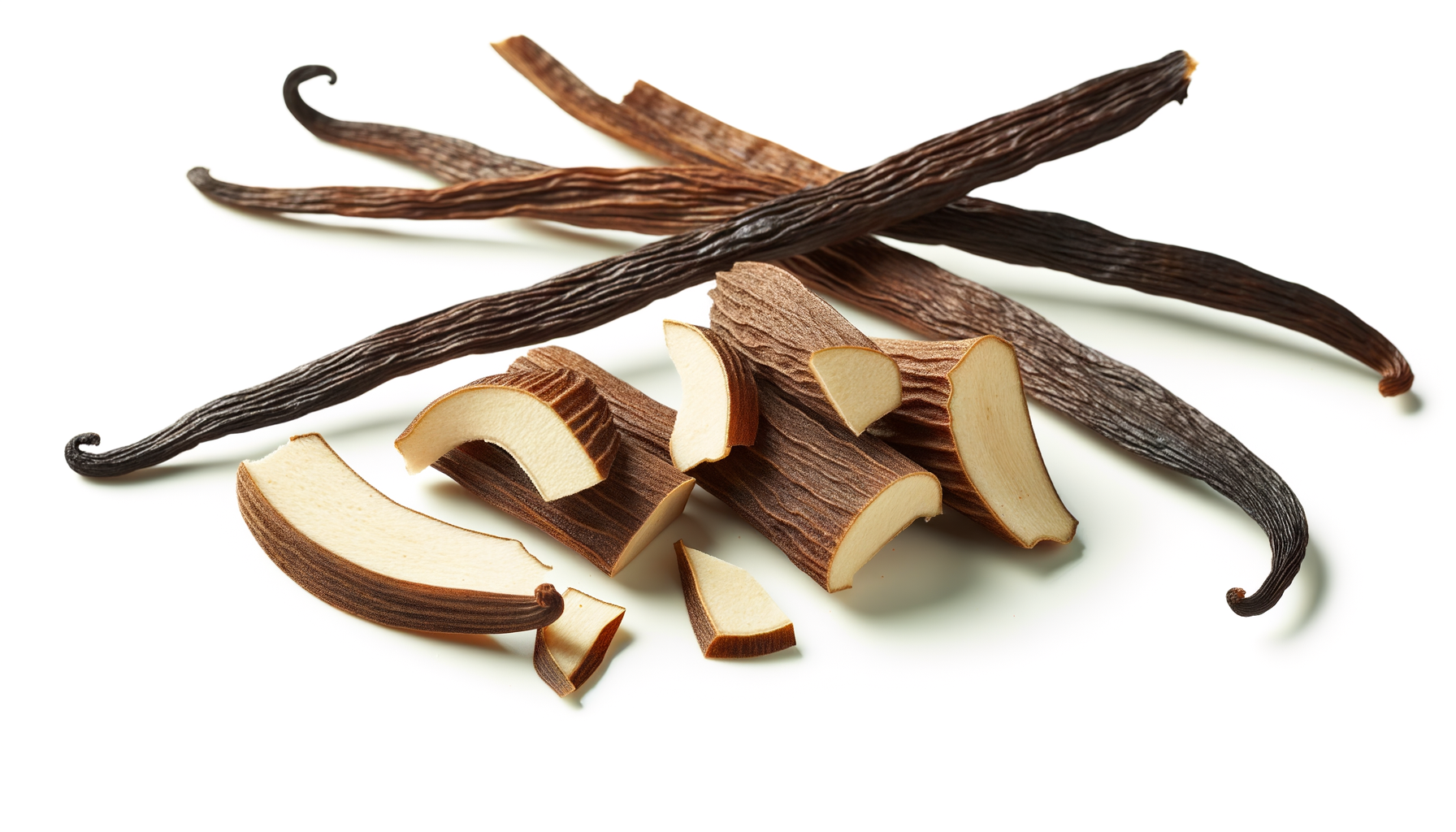
Tahitian Vanilla
Vanilla tahitensis
Sensory Profile
Tastes
Basic flavor profiles
Aromas
Scent characteristics
Stimuli
Sensory sensations
Textures
Physical properties
About Tahitian Vanilla
Tahitian vanilla is renowned for its complex, floral, and fruity flavor profile, which is often described as more aromatic and sweeter than its more common counterpart, Bourbon vanilla (Vanilla planifolia). It features subtle notes of cherry, chocolate, and anise, making it a favorite among chefs and pastry artisans for its unique aromatic qualities. This exquisite spice is primarily used in desserts, such as ice creams, custards, and pastries, where its delicate flavor can shine. It is also a popular addition to savory dishes, enhancing sauces and marinades, and can be infused into beverages like cocktails and coffee. Tahitian vanilla is often preferred in gourmet chocolates and confections due to its rich and multifaceted flavor. Tahitian vanilla originates from the islands of French Polynesia, particularly Tahiti, where it was introduced in the 19th century. The unique climate and volcanic soil of the region contribute to the distinctive characteristics of the beans. Unlike Bourbon vanilla, which is primarily cultivated in Madagascar, Tahitian vanilla thrives in the humid, tropical environment of the South Pacific. Tahitian vanilla beans are typically shorter and plumper than Bourbon beans, with a dark brown to black color and a slightly oily surface. They are known for their high vanillin content, which contributes to their sweet and floral aroma.
Associated health effects(8)
- Vanillin-Mediated Liver Protection
- Calming Aroma Effect
- Antifungal
- Blood Sugar Support
- Cholesterol Management
- Neuroprotection
- Anticancer Potential
- Anti-inflammatory
Nutrition per 100 g(4)
- Energy: 50 kcal
- Protein: 0.1 g
- Fat: 0.5 g
- Fiber: 0 g