
Tangerine Sensory Map
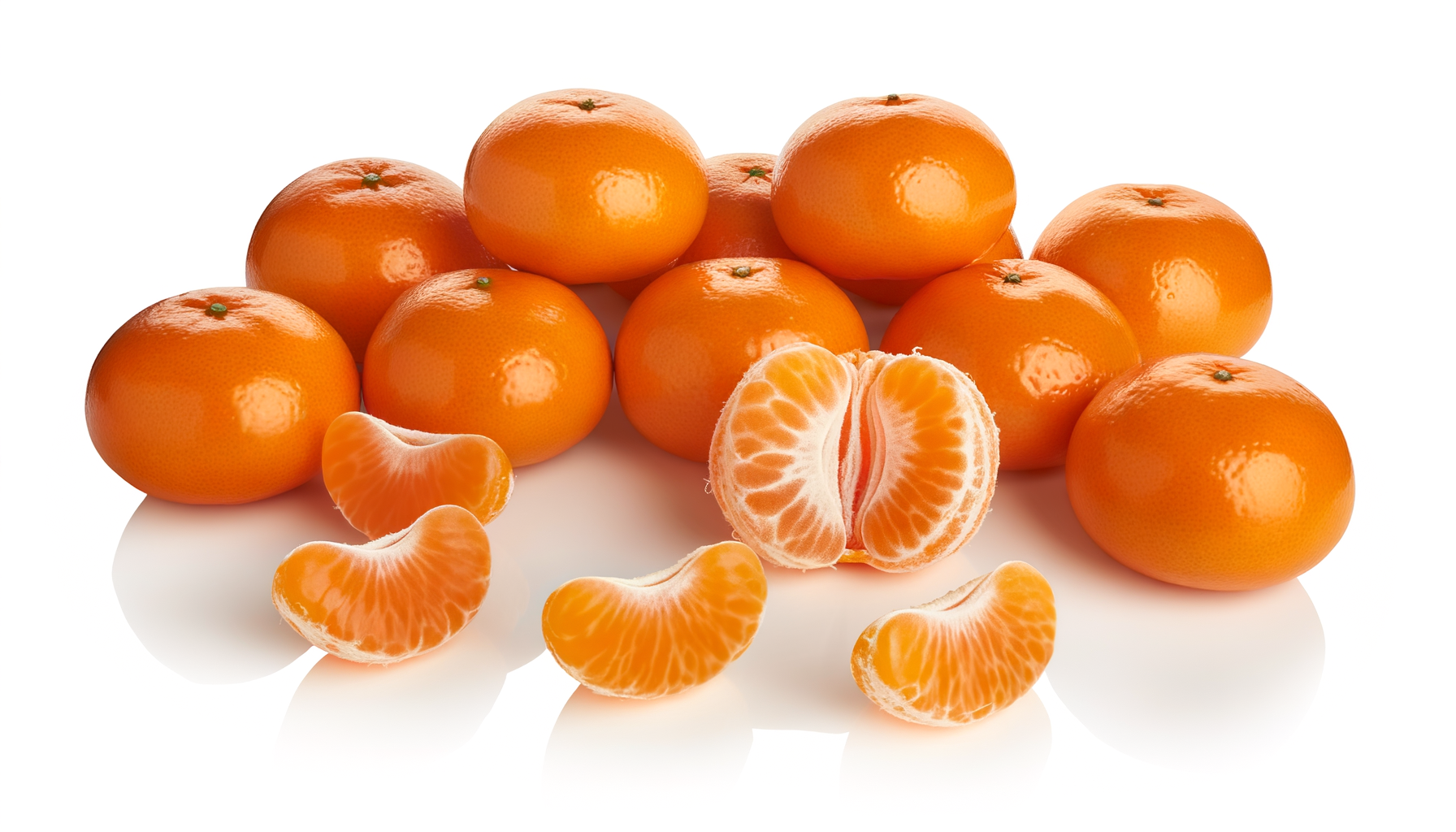
Tangerine
Citrus tangerina
Sensory Profile
Tastes
Basic flavor profiles
Aromas
Scent characteristics
Stimuli
Sensory sensations
Textures
Physical properties
About Tangerine
Tangerines are renowned for their sweet, tangy flavor, which is less acidic than that of oranges. Their juicy segments offer a bright, refreshing citrus taste with floral undertones, making them a delightful addition to both sweet and savory dishes. The zest of tangerines carries a more intense aroma, providing a fragrant, aromatic quality that enhances various recipes. Tangerines are versatile in the kitchen. They can be enjoyed fresh, added to fruit salads, or used as a garnish for desserts. Their juice is excellent for marinades, dressings, and cocktails, while the zest can elevate baked goods, sauces, and even savory dishes like stir-fries. In Asian cuisine, tangerine peel is often dried and used in traditional dishes for its aromatic qualities. Tangerines are believed to have originated in Southeast Asia, particularly in regions of China and Japan. They were introduced to the Mediterranean in the 19th century, where they quickly gained popularity. The name "tangerine" is derived from Tangier, Morocco, where the fruit was first shipped to Europe. Tangerines are smaller and easier to peel than their citrus relatives, with a thin, smooth skin that ranges from bright orange to yellow-orange. They are typically seedless or contain few seeds, making them a convenient snack.
Associated health effects(17)
- Vitamin C Source
- Furanocoumarin-Induced Photosensitivity
- Antioxidant
- Allergic Reactions
- Blood Sugar Support
- Blood Sugar Regulation
- Immune Booster
- Dietary Fiber
- Skin Health
- PPARγ Activation
- Fiber Content
- Neuroprotection
- Heart Health
- Eye Health
- Digestive Aid
- Vitamin A Source
- Anti-inflammatory
Nutrition per 100 g(4)
- Energy: 47 kcal
- Protein: 0.81 g
- Fat: 0.2 g
- Fiber: 1.8 g