
Tara Gum Sensory Map
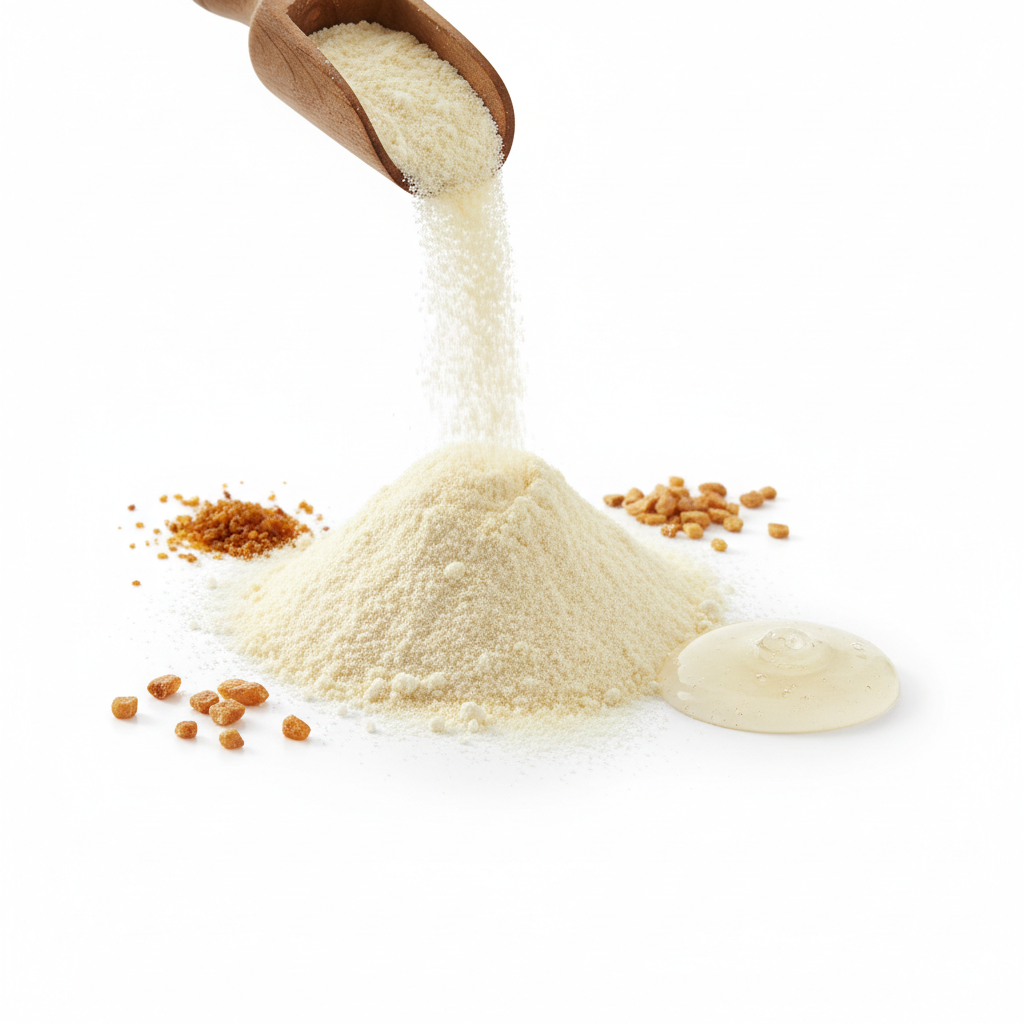
Tara Gum
Tara spinosa
Sensory Profile
Tastes
Basic flavor profiles
Aromas
Scent characteristics
Stimuli
Sensory sensations
Textures
Physical properties
About Tara Gum
Tara Gum (Tara spinosa, Caesalpinia spinosa) Derived from the endosperm of the seeds of the Tara bush, a legume native to the arid valleys of the Peruvian Andes, this hydrocolloid serves as a sophisticated bridge between the rapid hydration of guar gum and the structural rigidity of locust bean gum. Sensorialy, Tara gum is prized for its neutral organoleptic profile, offering a clean, odorless palate and a non-mucilaginous mouthfeel that mimics the luxurious, fatty texture of dairy without masking delicate flavor volatiles. In high-end pastry and commercial dairy applications, such as **artisanal gelato** and **Neufchâtel-style cream cheeses**, it functions as a potent stabilizer; its galactomannan structure effectively binds free water to inhibit ice crystal syneresis during freeze-thaw cycles, ensuring a smooth, elastic crumb and prolonged shelf stability. Unlike other thickeners, Tara gum exhibits a unique synergistic reactivity with carrageenan and xanthan gum, allowing chefs to create resilient, thermo-reversible gels with a reduced concentration of additives. This cold-soluble polysaccharide is particularly valued in modern gastronomy for its ability to enhance the viscosity of acidic emulsions—such as **citrus-based vinaigrettes** or **fruit coulis**—where it maintains a stable suspension of solids without the gummy, "long" texture associated with lower-grade stabilizers.
Associated health effects(10)
- Food Additive-Induced Gut Disruption
- Flatulence and Bloating
- Blood Sugar Support
- Appetite Reduction via Fiber-Induced Satiety
- Bowel Regularity Improvement
- Cholesterol Absorption Inhibition
- Digestive Prebiotic Support
- Culinary Thickener Functionality
- Choking and Foreign Body Obstruction Risk
- Digestive Aid
Nutrition per 100 g(4)
- Energy: 353 kcal
- Protein: 1.5 g
- Fat: 0.5 g
- Fiber: 50 g