
Tarragon Sensory Map
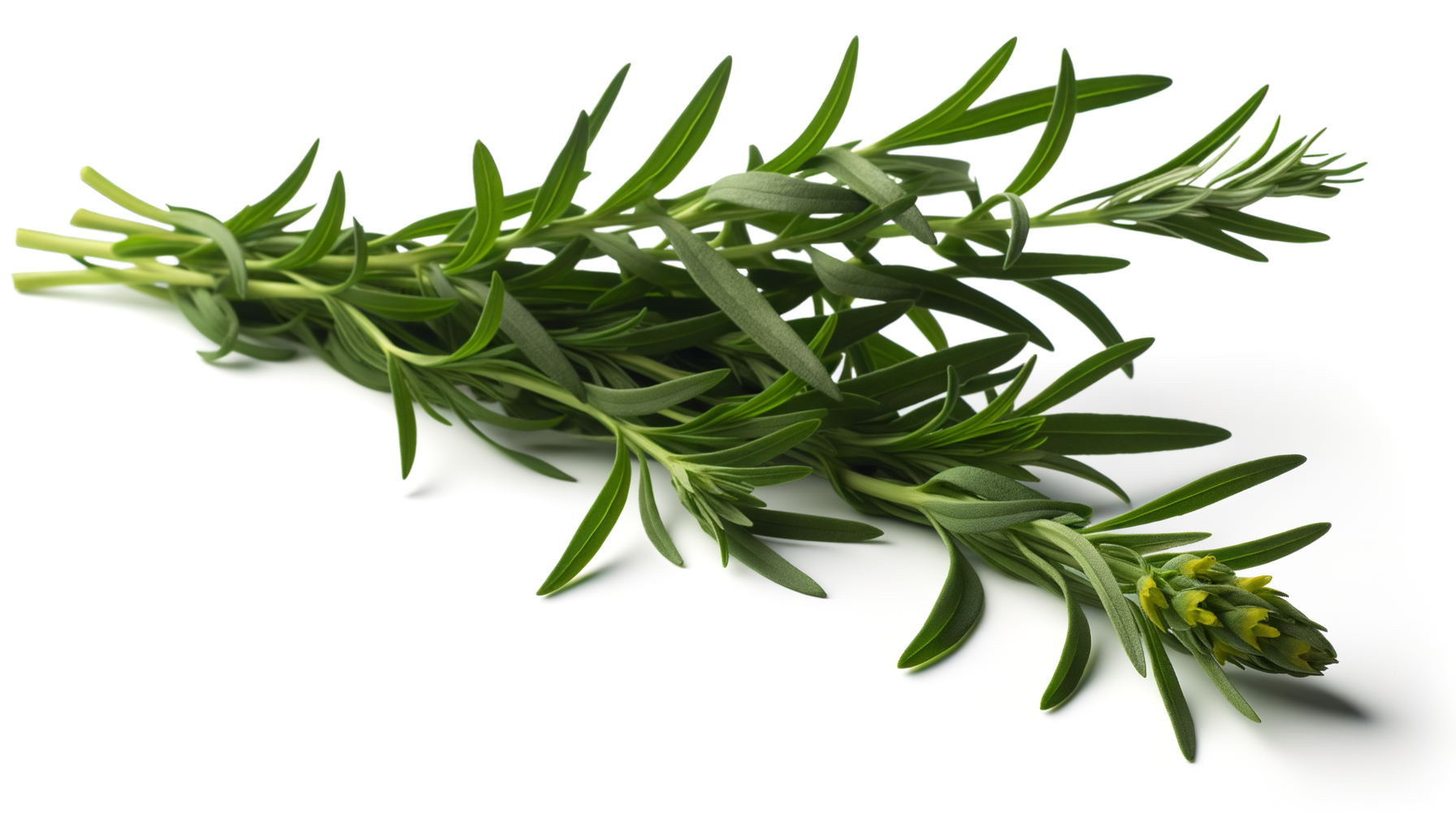
Tarragon
Artemisia dracunculus
Sensory Profile
Tastes
Basic flavor profiles
Aromas
Scent characteristics
Stimuli
Sensory sensations
Textures
Physical properties
About Tarragon
Tarragon is renowned for its unique flavor, characterized by a sweet, anise-like taste with a hint of bitterness. Its aromatic qualities are often described as herbaceous and slightly peppery, making it a versatile herb in culinary applications. Tarragon is a staple in French cuisine, frequently used in sauces such as Béarnaise and vinaigrettes. Its delicate flavor pairs well with chicken, fish, and egg dishes, enhancing the overall taste without overpowering. Fresh tarragon is often added to salads, while dried tarragon can be used in marinades, soups, and stews. It also complements vegetables like asparagus and peas, making it a popular choice in spring dishes. Native to Eurasia, tarragon has been cultivated since ancient times. It is particularly associated with French cooking, where it has been embraced for centuries. The herb thrives in temperate climates and is commonly grown in home gardens and commercial farms alike. Tarragon is easily identifiable by its slender, elongated leaves that are dark green and glossy. The plant can grow up to 3 feet tall and produces small, yellow-green flowers that are not typically used in culinary applications. French tarragon (the most prized variety) is preferred for its superior flavor, while Russian tarragon, which is more bitter and less ...
Associated health effects(44)
- Blood Pressure Support
- Insulin Sensitivity Enhancement
- Appetite Stimulant
- Antidepressant
- Drug Interactions
- Potential Additive Hypoglycemia
- Antioxidant
- Allergic Reactions
- Dose-Dependent Effects
- Allergy Risk
- Estragole Exposure Risk
- Analgesic Activity
- Blood Pressure Reduction
- Vitamin Content Support
- Nutritional Advantages
- Liver Toxicity
- Cancer Risk
- Antifungal
- Pain Relief
- HDL Cholesterol Elevation
- Blood Sugar Support
- Opioid Pathway-Mediated Analgesic Activity
- Antidiabetic Activity
- Blood Sugar Regulation
- Coumarin-Induced Anticoagulant Activity
- Immune Modulation
- Estragole Toxicity
- No Evidence of Toxicity, Heavy Metals, or Contaminants
- Mineral Content
- Hepatoprotection
- Nausea Relief
- Cholesterol Management
- Estragole and Methyleugenol Toxicity
- HDL Cholesterol
- Antibacterial
- Emmenagogue Activity
- Heart Health
- Thyroid Homeostasis Support
- Lipid Metabolism Support
- Digestive Aid
- Cholesterol Improvement
- Anticancer Potential
- Anti-inflammatory
- Carminative
Nutrition per 100 g(4)
- Energy: 295 kcal
- Protein: 22.77 g
- Fat: 7.24 g
- Fiber: 7.4 g