
Tasmanian Pepper Sensory Map
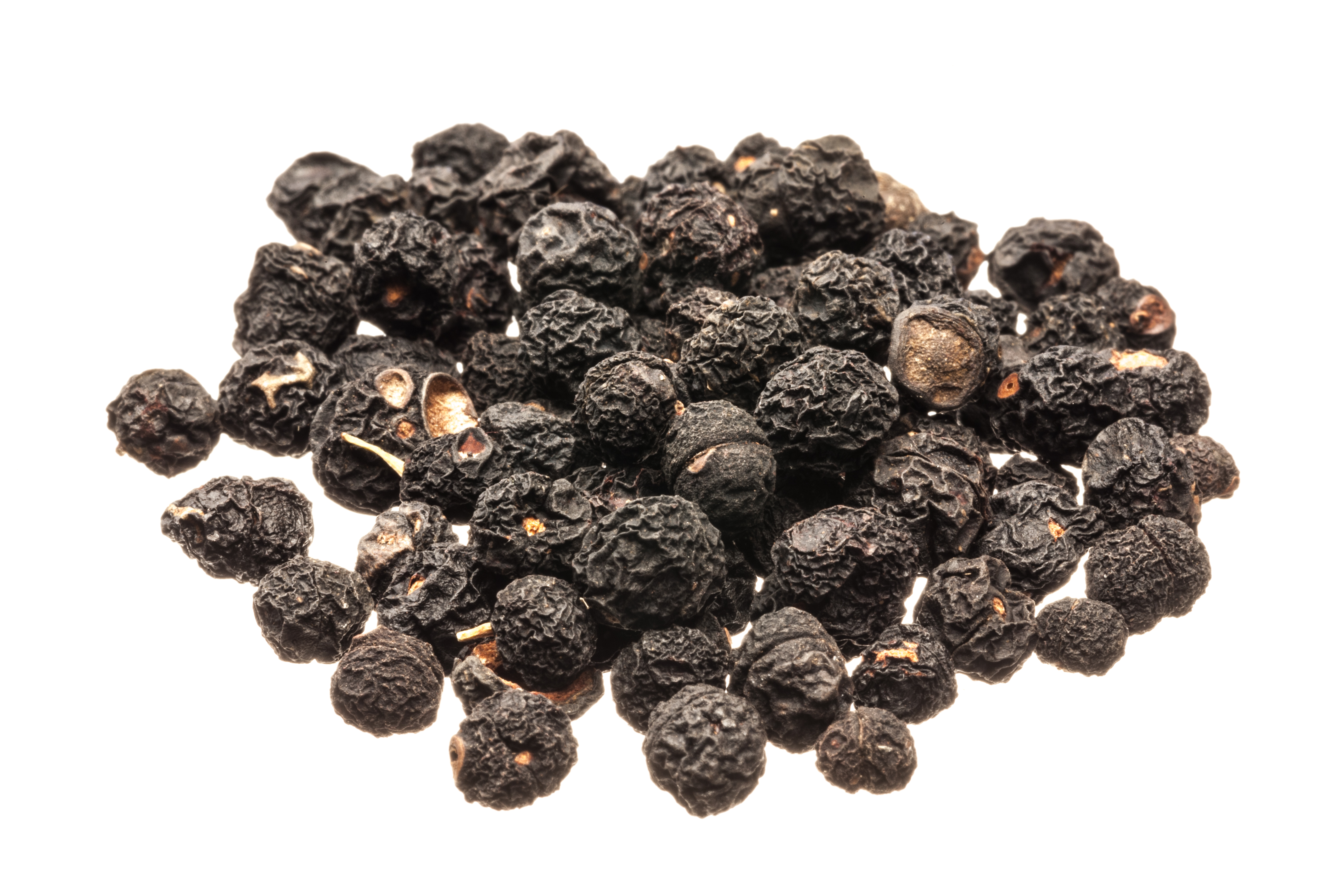
Tasmanian Pepper
Tasmannia lanceolata
Sensory Profile
Tastes
Basic flavor profiles
Aromas
Scent characteristics
Stimuli
Sensory sensations
Textures
Physical properties
About Tasmanian Pepper
Tasmanian Pepper offers a unique and complex flavor experience, characterized by a bold, peppery heat that is complemented by sweet, fruity undertones reminiscent of berries. Its flavor is often described as both spicy and aromatic, with a slight citrusy note that adds a refreshing quality to dishes. This versatile spice is commonly used in both savory and sweet applications. In savory dishes, Tasmanian Pepper can enhance meats, particularly game and poultry, as well as sauces, marinades, and dressings. It pairs well with root vegetables and can be used to add depth to stews and soups. In the realm of desserts, it can be incorporated into chocolate dishes, fruit compotes, and baked goods, providing an intriguing contrast to sweetness. Native to the cool temperate rainforests of Tasmania and parts of southeastern Australia, Tasmanian Pepper is derived from the berries of the Tasmannia lanceolata plant. Indigenous Australians have utilized this spice for centuries, both for its culinary applications and medicinal properties. The spice has gained popularity in modern gastronomy, celebrated for its unique flavor and aromatic qualities. Tasmanian Pepper is notable for its vibrant red to dark purple berries, which are harvested and dried for culinary use. The spice is often found in whole berry form or ground into a powder.
Associated health effects(55)
- Safety and Toxicity
- Micronutrient Density
- Anti-arthritic
- Essential Oil-Mediated Antimicrobial Activity
- Drug Interactions
- Antiseptic Skin Protection
- Cardiovascular Protection
- Antioxidant
- Allergic Reactions
- Cardiovascular Health
- Dose-Dependent Effects
- Analgesic Activity
- Wound Healing
- Cancer-Preventive
- Antifungal
- Polyphenol-Mediated Gastrointestinal Protection
- Polygodial Antimicrobial Activity
- Polygodial-Induced Sensory Irritation
- Polygodial-Mediated Sensory Pungency
- Chlorogenic Acid Anti-inflammatory Activity
- Polygodial-Mediated Membrane Disruption
- Selective Microbiota Targeting
- Anthocyanin Provision
- Blood Sugar Support
- Anti-pruritic Activity
- Oral and Gastrointestinal Irritation
- Immune Booster
- Immune Modulation
- Polyphenol-Mediated Antioxidant Activity
- Topical Anti-itch Activity
- Polygodial-Mediated Antimicrobial Activity
- Digestive Irritation
- Anti-bloating Activity
- Flavor and Culinary Use
- No Evidence of Toxicity, Heavy Metals, or Contaminants
- At-Risk Populations
- Dietary Fiber
- Skin Health
- Polygodial-Mediated Antiparasitic Activity
- Interaction with Medications
- Allergic Reaction Risk
- Polygodial-Mediated Bacterial Membrane Disruption
- Digestive Protection
- Hair Health
- Polygodial-Mediated Antifungal Activity
- Antibacterial
- Polygodial TRPV1 Inhibition
- Digestive Prebiotic Support
- Pathogenic Biofilm Inhibition
- Glycoside-Mediated Anti-inflammatory Activity
- Digestive Aid
- Gastrointestinal Irritation
- Anticancer Potential
- Anti-inflammatory
- Carminative
Nutrition per 100 g(4)
- Energy: 145 kcal
- Protein: 6 g
- Fat: 5 g
- Fiber: 25 g