
Thyme Sensory Map
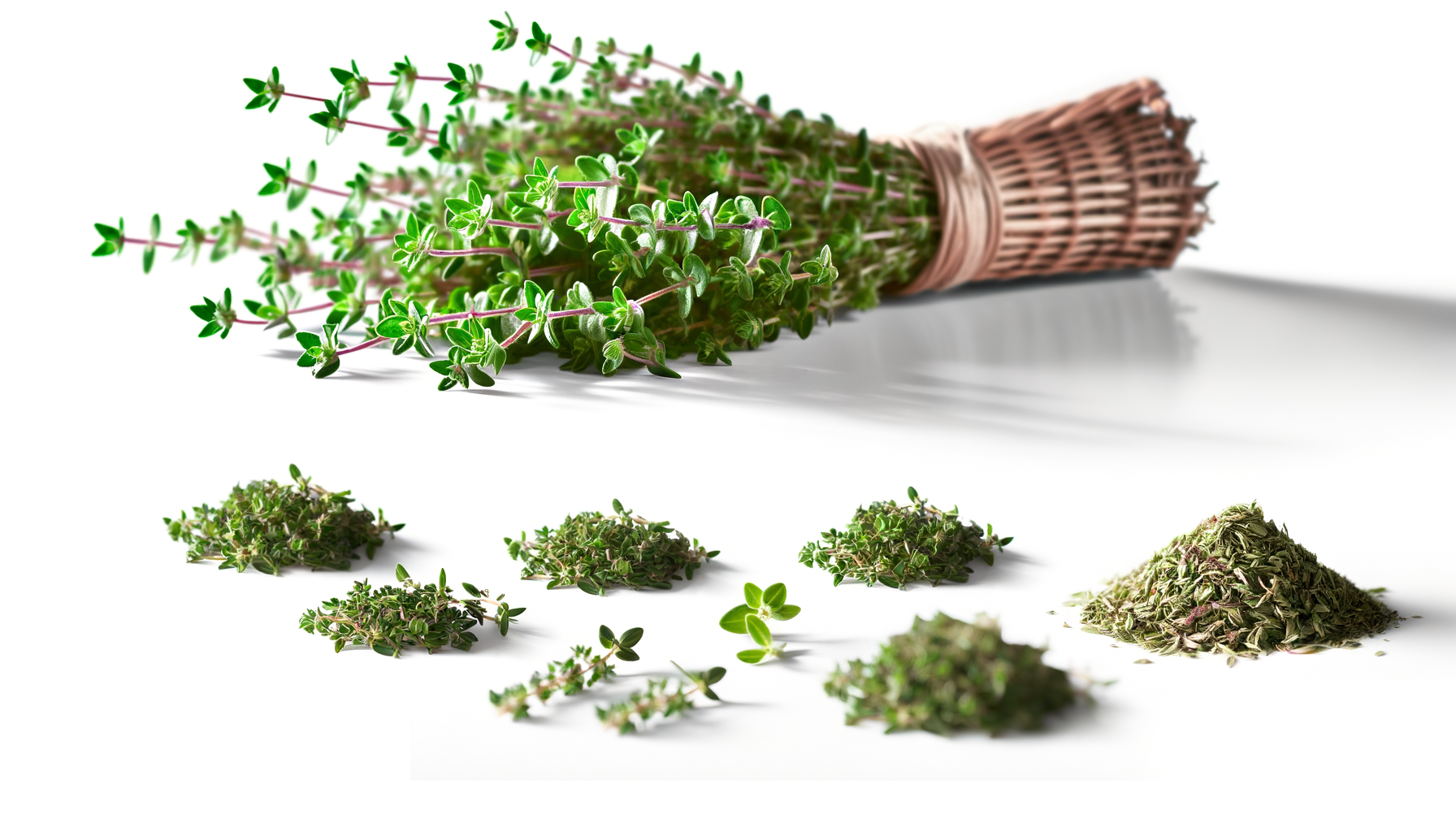
Thyme
Thymus vulgaris
Sensory Profile
Tastes
Basic flavor profiles
Aromas
Scent characteristics
Stimuli
Sensory sensations
Textures
Physical properties
About Thyme
Thyme boasts a warm, earthy flavor with subtle notes of mint and lemon, complemented by a slightly peppery undertone. Its aromatic qualities are both herbaceous and slightly floral, making it a versatile addition to a variety of dishes. Thyme is a staple in Mediterranean cuisine, commonly used in soups, stews, marinades, and roasted meats. It pairs exceptionally well with poultry, lamb, and vegetables, enhancing the overall depth of flavor. Fresh thyme is often used in herb blends like bouquet garni and herbes de Provence, while dried thyme retains its flavor well, making it a convenient pantry staple. Native to the Mediterranean region, thyme has been cultivated since ancient times, valued not only for its culinary applications but also for its medicinal properties. It thrives in warm, dry climates and is often found growing wild in rocky, sunny areas. Thyme is characterized by its small, oval leaves that can be either green or variegated, depending on the variety. The plant produces tiny purple or pink flowers that attract pollinators, adding to its appeal in gardens. Its resilience and ability to retain flavor even when dried make thyme a favored herb among chefs and home cooks alike.
Associated health effects(63)
- Safety and Toxicity
- Vitamin C Source
- Polyphenol Antioxidant Activity
- Anxiety Relief
- Expectorant
- Micronutrient Density
- Rosmarinic Acid-Mediated ACE2 Modulation
- Drug Interactions
- Potential Additive Hypoglycemia
- Cardiovascular Protection
- Antiplatelet Activity
- Antioxidant
- Allergic Reactions
- Rosmarinic Acid-Mediated Anti-inflammatory Activity
- Blood Pressure Reduction
- IBS Symptom Relief
- Gut-Brain Axis Support
- Nutritional Advantages
- Wound Healing
- Antifungal
- Polyphenol-Mediated Gastrointestinal Protection
- Liver Support
- Respiratory Infection Symptom Relief
- Antihypertensive
- Blood Sugar Support
- Inflammatory Bowel Disease Symptom Amelioration
- Quercetin and Rutin Flavonoid Support
- Cognitive Performance Enhancement
- Antidiabetic Activity
- Blood Sugar Regulation
- Thymol-Mediated Cytokine Modulation
- Immune Booster
- Immune Modulation
- Polyphenol-Mediated Antioxidant Activity
- Vision Protection
- Vasodilation
- Memory Enhancement
- Mood and Sleep Quality Enhancement
- At-Risk Populations
- Mineral Content
- Hepatoprotection
- Thymol-Mediated ACE Inhibition
- Cholesterol Management
- Rosmarinic Acid-Mediated Neuroprotection
- Traditional Antidiarrheal Activity
- GABA Production Support
- Thymol-Mediated Gut Microbiota Modulation
- Gastroprotection
- Thymol-Mediated Membrane Disruption
- LDL Cholesterol Reduction
- Neurotransmitter Modulation
- Vitamin B6 Nervous System Support
- Triglyceride Reduction
- Immunomodulation via Cytokine Regulation
- Respiratory Mucus Reduction
- Neuroprotection
- Bronchodilation
- Lipid Metabolism Support
- Digestive Aid
- Vitamin A Source
- Respiratory Support
- Anticancer Potential
- Anti-inflammatory
Nutrition per 100 g(4)
- Energy: 101 kcal
- Protein: 5 g
- Fat: 1.7 g
- Fiber: 14 g