
Timut Pepper Sensory Map
Timut Pepper
Zanthoxylum armatum
Sensory Profile
Tastes
Basic flavor profiles
Aromas
Scent characteristics
Stimuli
Sensory sensations
Textures
Physical properties
About Timut Pepper
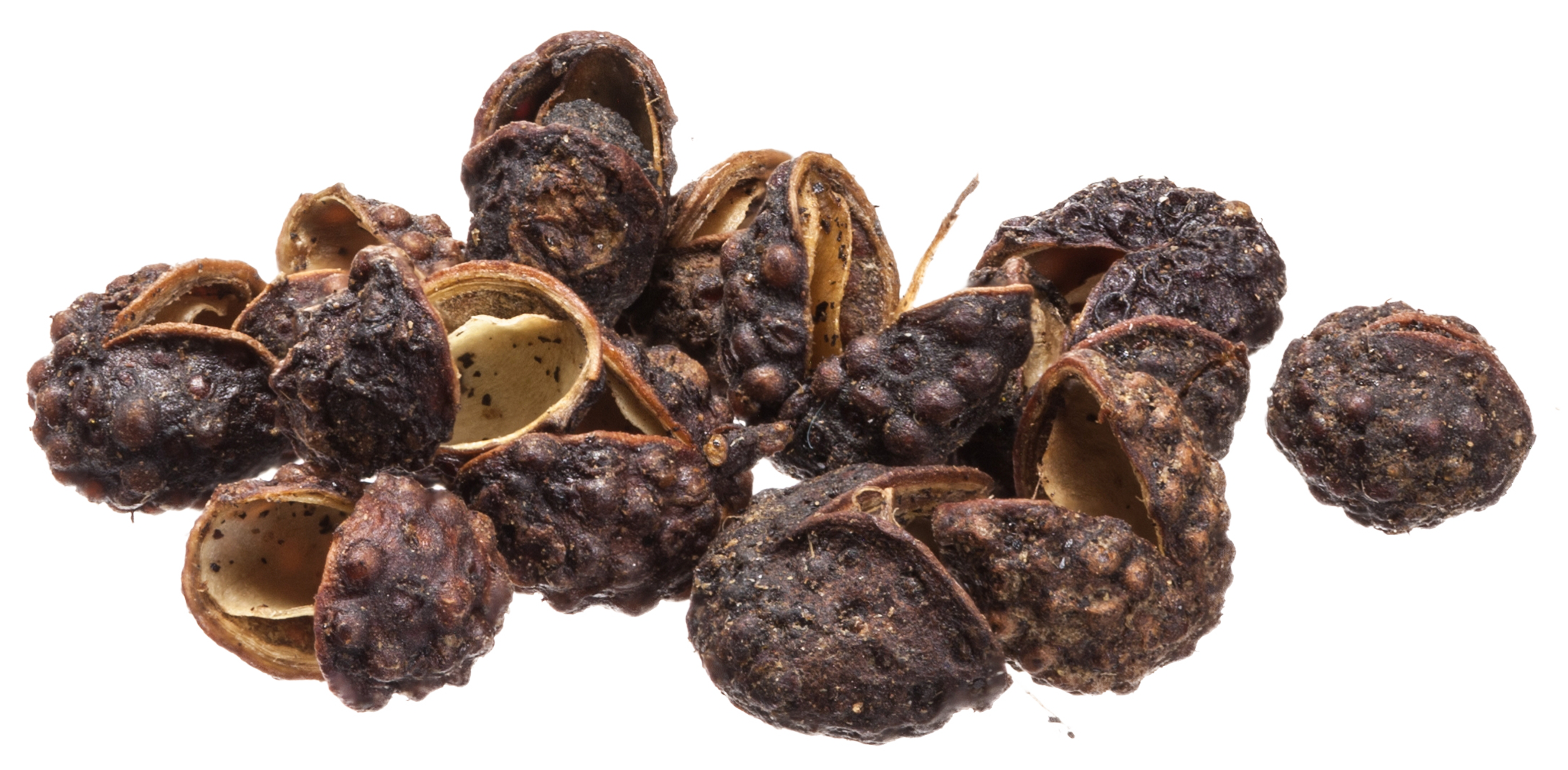
Timut pepper is renowned for its unique and vibrant flavor, characterized by a citrusy, slightly floral note with hints of grapefruit and a subtle, numbing heat. Its aromatic profile is often described as a blend of traditional black pepper and citrus zest, offering a complex taste experience that invigorates the palate. This spice is primarily used in Nepalese and Tibetan cuisines, where it enhances the flavor of various dishes, including meats, vegetables, and soups. Timut pepper can be used whole or ground, and it pairs exceptionally well with fish, poultry, and in spice blends. It is also an excellent addition to marinades, sauces, and pickles, providing a distinctive zing that elevates the overall flavor. Timut pepper is native to the Himalayan region, particularly found in Nepal, Bhutan, and parts of India. It grows on the Zanthoxylum armatum tree, which thrives in the mountainous terrains of these regions. The spice has been used traditionally for centuries, both for its culinary applications and its medicinal properties. Timut pepper is easily identifiable by its small, dark brown to black husks, which encase the seeds. The spice is often confused with Sichuan pepper due to its similar numbing quality, but it is distinct in its citrusy aroma and flavor.
Associated health effects(4)
- Antioxidant
- Sensory Tingling and Numbing
- Antibacterial
- Anti-inflammatory
Nutrition per 100 g(4)
- Energy: 318 kcal
- Protein: 10 g
- Fat: 4.5 g
- Fiber: 25 g