
Tonka Bean Sensory Map
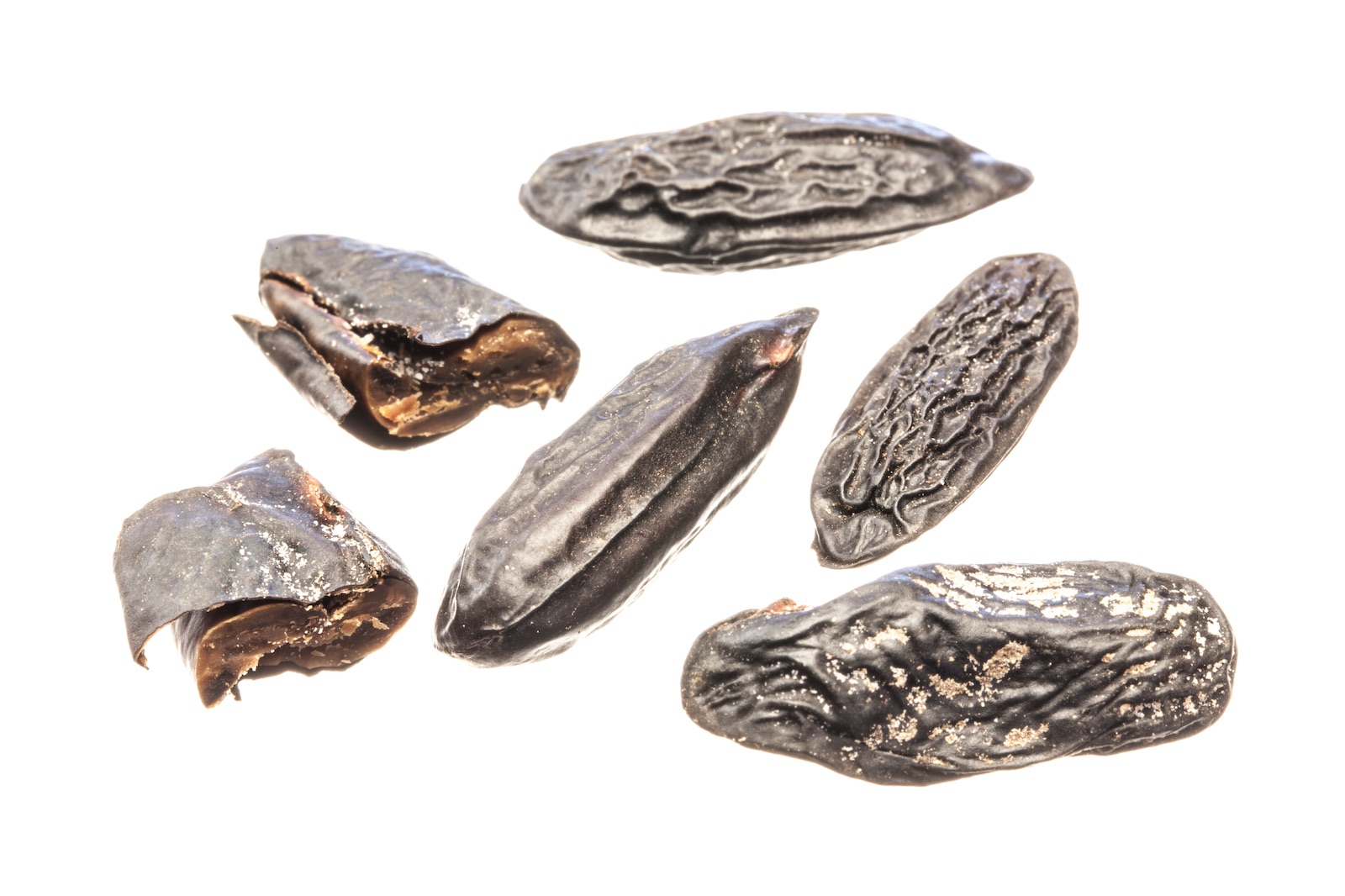
Tonka Bean
Dipteryx odorata
Sensory Profile
Tastes
Basic flavor profiles
Aromas
Scent characteristics
Stimuli
Sensory sensations
Textures
Physical properties
About Tonka Bean
Tonka bean boasts a complex flavor profile that combines sweet, warm notes reminiscent of vanilla, almond, and cinnamon, with subtle hints of clove and nutmeg. Its aromatic qualities are rich and intoxicating, making it a unique addition to both sweet and savory dishes. Tonka bean is often used in desserts, such as ice creams, custards, and pastries, where its vanilla-like flavor enhances the sweetness. It can also be grated into sauces, marinades, and even cocktails, adding depth and warmth. In savory applications, it pairs well with meats, particularly duck and pork, as well as in spice blends for curries and stews. Due to its potent flavor, only a small amount is needed to achieve the desired effect. Native to the tropical rainforests of South America, particularly Brazil, Venezuela, and Guyana, tonka beans are harvested from the Dipteryx odorata tree, which can grow up to 30 meters tall. The beans are typically harvested from the tree's pods, dried, and then cured to develop their aromatic qualities. Tonka beans are dark brown, wrinkled, and resemble large black beans. They contain coumarin, a compound that contributes to their sweet aroma and flavor, but it is important to note that coumarin can be toxic in large quantities.
Associated health effects(50)
- Limited Nutritional Advantages
- Expectorant
- Anticoagulant Effects
- Mood Enhancement via Aromatic Exposure
- Traditional Antimicrobial and Respiratory Support
- Drug Interactions
- Antioxidant
- Dose-Dependent Effects
- Liver Toxicity and Carcinogenicity
- Aromatherapeutic Sedative Activity
- Calming Aroma Effect
- General toxicity
- Anti-anxiety Effects
- Nutritional Advantages
- Traditional Digestive Relief
- Liver Toxicity
- Acute Side Effects
- Aphrodisiac
- Cytotoxic Activity Against Cancer Cell Lines
- Neurological Effects
- Coumarin-Induced Hepatotoxicity
- Digestive Spasm Relief
- Coumarin-Induced Anticoagulant Activity
- Coumarin-Gastrointestinal Distress
- Aromatherapeutic Tranquilizing Activity
- Traditional Respiratory Support
- Coumarin-Induced Neurological Effects
- Flavor and Culinary Use
- At-Risk Populations
- Coumarin-Induced Testicular Atrophy
- Coumarin Adulteration Risk
- Allergic Reaction Risk
- Coumarin-Induced Antithrombotic Activity
- Gastrointestinal Discomfort
- Coumarin-Related Carcinogenicity Risk
- Pregnancy and Lactation Risk
- Tonic Activity
- Alpha-glucosidase Inhibition
- Pregnancy/breast-feeding Risk
- Antibacterial
- Bleeding Risk
- Traditional Aromatic Relaxation
- Neuroprotection
- Gastrointestinal Distress
- Coumarin-Induced Gastrointestinal Distress
- Mild Sedative Activity
- Digestive Aid
- Mild Aromatherapeutic Relaxation
- Anti-inflammatory
- Relaxation Aroma Activity
Nutrition per 100 g(4)
- Energy: 335 kcal
- Protein: 4 g
- Fat: 5 g
- Fiber: 25 g