
Trinidad Moruga Champion Sensory Map
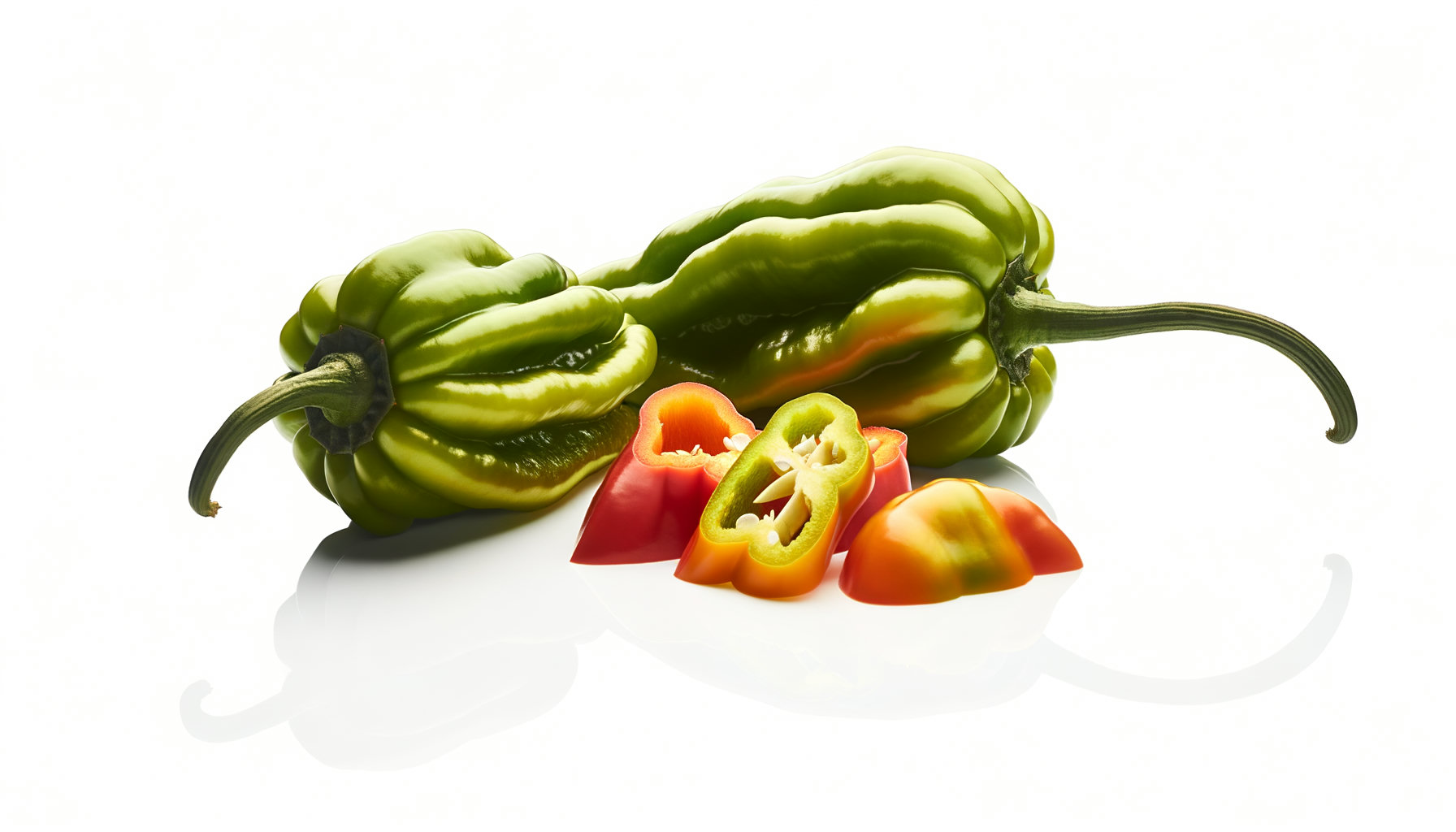
Trinidad Moruga Champion
Capsicum chinense
Sensory Profile
Tastes
Basic flavor profiles
Aromas
Scent characteristics
Stimuli
Sensory sensations
Textures
Physical properties
About Trinidad Moruga Champion
Trinidad Moruga Champion (Capsicum chinense), a member of the Solanaceae family, is renowned for its strikingly fruity and complex flavor profile, which combines notes of tropical sweetness with a robust, lingering heat that can reach up to 1.2 million Scoville Heat Units. Its aroma is a captivating blend of floral and citrus undertones, reminiscent of ripe mangoes and apricots, while its texture is smooth and fleshy, making it ideal for both fresh and cooked applications. This chili pepper shines in iconic dishes such as Trinidadian pepper sauce, where its heat is balanced by vinegar and spices, enhancing the overall flavor without overpowering the dish. Additionally, it plays a pivotal role in the preparation of "doubles," a popular street food, where the pepper's fruity notes complement the savory chickpea filling, creating a harmonious balance of flavors. Originating from the lush landscapes of Trinidad and Tobago, the Trinidad Moruga Champion holds cultural significance as a staple in Caribbean cuisine, often featured in traditional festivals and culinary celebrations. The peppers are typically hand-harvested at their peak ripeness, ensuring optimal flavor and heat, and are often used fresh, dried, or fermented to create sauces and condiments that elevate a variety of dishes. What sets the Trinidad Moruga Champion apart is not only its exceptional heat but also its unique chemical composition, which includes capsaicin and various volatile compounds that contribute to its distinctive flavor profile. This chili's ability to enhance the umami characteristics of proteins, particularly in meat dishes, makes it a prized ingredient among chefs seeking to elevate their culinary creations.
Associated health effects(22)
- Capsaicin-Induced Appetite Suppression
- Capsaicin-Induced Sensory Burning
- Beta-Carotene Source
- Capsaicin-Induced Gastrointestinal Aggravation
- Drug Interactions
- Capsaicin Overexposure Syndrome
- Antioxidant
- Allergic Reactions
- Gut Microbiota Modulation via Capsaicin
- Capsaicin-Induced Pain Relief
- Topical Antipruritic Activity
- Capsaicin-Induced Thermogenesis
- At-Risk Populations
- Capsaicin-Induced Gastroprotection
- Digestive Distress
- Pain Receptor Desensitization
- Antimicrobial Activity (Capsaicin-Specific)
- Brown Adipose Tissue Activation
- Capsaicin-Induced Gastrointestinal Irritation
- Gastrointestinal Distress
- Contact Dermatitis
- Anti-inflammatory
Nutrition per 100 g(4)
- Energy: 40 kcal
- Protein: 2 g
- Fat: 0.4 g
- Fiber: 1.5 g