
Trout Sensory Map
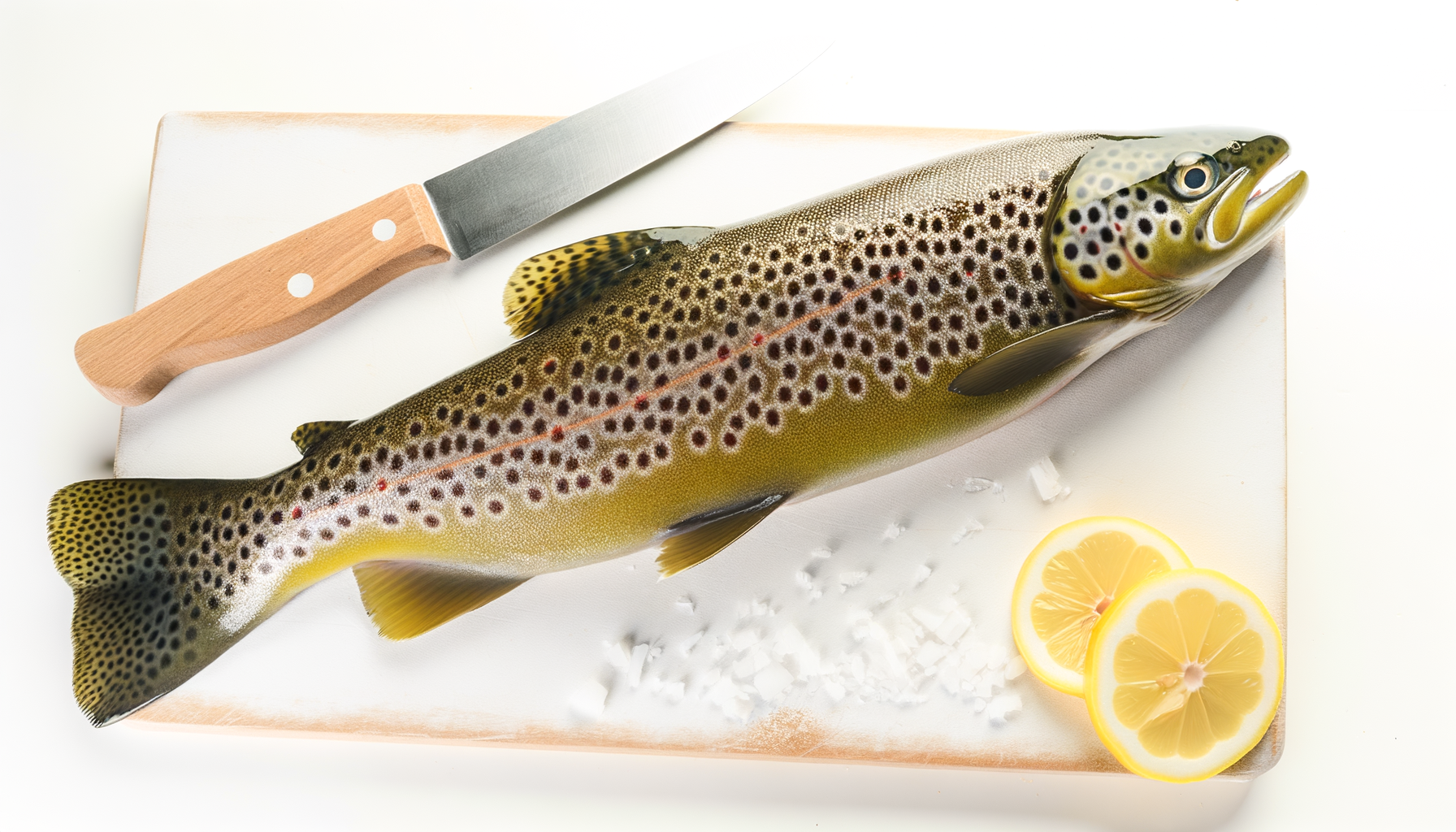
Trout
Salmo trutta
Sensory Profile
Tastes
Basic flavor profiles
Aromas
Scent characteristics
Stimuli
Sensory sensations
Textures
Physical properties
About Trout
Trout, particularly the brown trout (Salmo trutta), offers a delicate yet rich flavor that is often described as mildly nutty and subtly sweet. The flesh can vary in color from pale pink to deep orange, with a buttery texture that melts in the mouth. The flavor is influenced by the trout's diet, which can include insects, crustaceans, and plant matter, resulting in a complex taste that can range from earthy to slightly briny. Trout is a versatile fish that can be prepared in numerous ways, including grilling, baking, poaching, and smoking. It pairs well with a variety of seasonings and ingredients, such as lemon, herbs (like dill and parsley), garlic, and butter. In culinary traditions, trout is often featured in dishes like trout almondine, where it is sautéed and topped with toasted almonds, or served whole, stuffed with herbs and citrus. Its mild flavor makes it an excellent canvas for both simple and elaborate preparations. Trout is native to the cold, clear waters of Europe, particularly in rivers and lakes. The brown trout has been introduced to various regions worldwide, including North America and New Zealand, where it has adapted to local environments. The species thrives in freshwater habitats, often found in streams, rivers, and lakes, making it a popular target for anglers and a staple in local cuisines.
Associated health effects(60)
- Dioxin and PCB Contaminant Exposure
- Vitamin D Support
- Zinc
- Micronutrient Support
- Satiety Enhancement
- Micronutrient Density
- Heme Iron Source
- Selenium Status Improvement
- Drug Interactions
- PCB and Dioxin Exposure
- Cardiovascular Protection
- Copper
- Antioxidant
- Allergic Reactions
- Cardiovascular Health
- Dose-Dependent Effects
- Allergy Risk
- Satiation Enhancement
- Low Mercury Content
- Blood Pressure Reduction
- Cancer-Preventive
- HDL Cholesterol Elevation
- Weight Management and Protein Benefits
- Amino Acid Quality Support
- Immune Booster
- Chronic Disease Prevention
- Immune Modulation
- Vision Protection
- Muscle Protein Support
- Foodborne Illness Risk
- Iron Content Support
- No Evidence of Toxicity, Heavy Metals, or Contaminants
- At-Risk Populations
- Mineral Content
- Bone Health
- Cholesterol Management
- Anemia Prevention
- Brain Health
- Selenium Content Support
- Muscle Protein Synthesis Enhancement
- Vitamin D Source
- Mercury Exposure Reduction
- Protein Content
- Niacin
- Omega-3 Fatty Acid Support
- Hypolipidemic Activity
- Weight Management
- Vitamin B12 Support
- B Vitamin Nervous System Support
- LDL Cholesterol Reduction
- Potassium
- Triglyceride Reduction
- Neuroprotection
- Complete Protein Support
- Magnesium
- Lipid Metabolism Support
- High-Quality Protein Provision
- Anti-inflammatory
- Complete Protein Profile
- Cognitive Support
Nutrition per 100 g(4)
- Energy: 121 kcal
- Protein: 20 g
- Fat: 5.5 g
- Fiber: 0 g