
Tuna Sensory Map
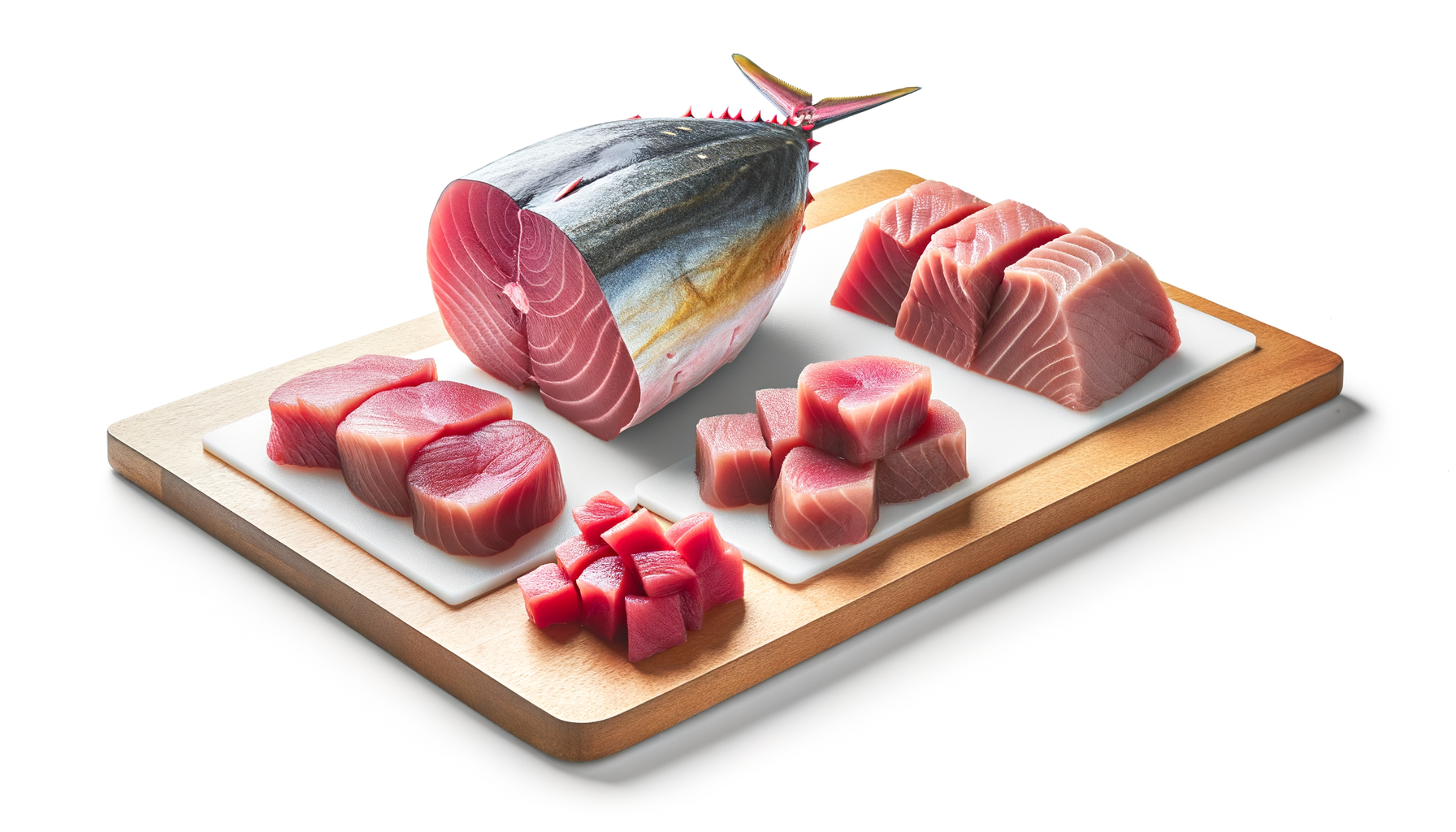
Tuna
Thunnus
Sensory Profile
Tastes
Basic flavor profiles
Aromas
Scent characteristics
Stimuli
Sensory sensations
Textures
Physical properties
About Tuna
Tuna is renowned for its rich, meaty flavor, characterized by a balance of savory umami notes and subtle sweetness. The flesh is firm and has a buttery texture, especially in varieties like Bluefin and Yellowfin, making it a favorite among seafood lovers. The taste can vary slightly depending on the species and the method of preparation, with some cuts offering a more pronounced, oceanic flavor. Tuna is highly versatile in the culinary world. It is commonly enjoyed raw in dishes such as sushi and sashimi, where its delicate flavor is highlighted. Cooked preparations include grilling, searing, and baking, often paired with bold marinades or sauces to enhance its natural taste. Tuna steaks are popular in Mediterranean cuisine, while canned tuna is a staple in salads, sandwiches, and casseroles, providing convenience without sacrificing flavor. Tuna species are found in warm seas around the world, with significant populations in the Atlantic, Pacific, and Indian Oceans. The most sought-after varieties include Bluefin, Yellowfin, and Albacore, each with distinct characteristics and flavor profiles. Tuna fishing has a long history, dating back thousands of years, and continues to be a vital part of many coastal economies. Tuna is distinguished by its streamlined body and powerful swimming ability, which contributes to its firm texture. The flesh can range in color from deep red to pale pink, depending on the
Associated health effects(75)
- Dioxin and PCB Contaminant Exposure
- Vitamin D Support
- Micronutrient Support
- Histamine Poisoning Risk
- Reduced Cancer Risk
- Satiety Enhancement
- Insulin Sensitivity Enhancement
- Micronutrient Density
- Heme Iron Source
- Selenium Status Improvement
- Heavy Metal Exposure
- Drug Interactions
- Mercury Bioaccumulation Neurotoxicity
- Cardiovascular Protection
- Antioxidant
- Allergic Reactions
- Cardiovascular Health
- Parasitic Infection Risk
- Selenium-Mediated Antioxidant Support
- Low Mercury Content
- Blood Pressure Reduction
- Cardiovascular Disease Risk Reduction
- Scombrotoxin (Histamine) Poisoning Risk
- Cancer-Preventive
- Lipid Profile Improvement
- Selenium Provision
- Selenium-Mediated Thyroid Support
- Heavy Metal Contamination Risk
- Bacterial Contamination Risk
- Micronutrient-Dense Protein Support
- Mercury Accumulation
- Weight Management/Satiety
- Immune Booster
- High Sodium Content
- Immune Modulation
- Weight Loss and Muscle Support
- Foodborne Illness Risk
- Retinal Health Maintenance
- Mineral Content
- Marine Contaminant Exposure
- Interaction with Medications
- Omega-3 EPA Provision
- Allergic Reaction Risk
- Bone Health
- Vitamin B12 Deficiency Prevention
- Vision Health
- Cognitive Function Enhancement
- Weight Loss Support
- Anemia Prevention
- Brain Health
- Omega-3 Fatty Acid-Mediated Visual Health Support
- Antioxidant Immunity Support
- Methylmercury Exposure
- Vitamin D Source
- Protein Content
- Mercury Bioaccumulation Cardiovascular Risk
- Omega-3 Fatty Acid Support
- B12 Content Support
- Weight Management
- Selenium-Linked Thyroid Support
- Brain & Cognitive Health
- LDL Cholesterol Reduction
- Methylmercury Bioaccumulation Neurotoxicity
- Vitamin B6 Nervous System Support
- Neuroprotection
- Complete Protein Support
- Omega-3 Provision
- Eye Health
- Weight Loss & Satiety
- Lipid Metabolism Support
- DHA Provision
- Anticancer Potential
- High-Quality Protein Provision
- Anti-inflammatory
- Cognitive Support
Nutrition per 100 g(4)
- Energy: 165 kcal
- Protein: 30 g
- Fat: 5 g
- Fiber: 0 g