
Turmeric Sensory Map
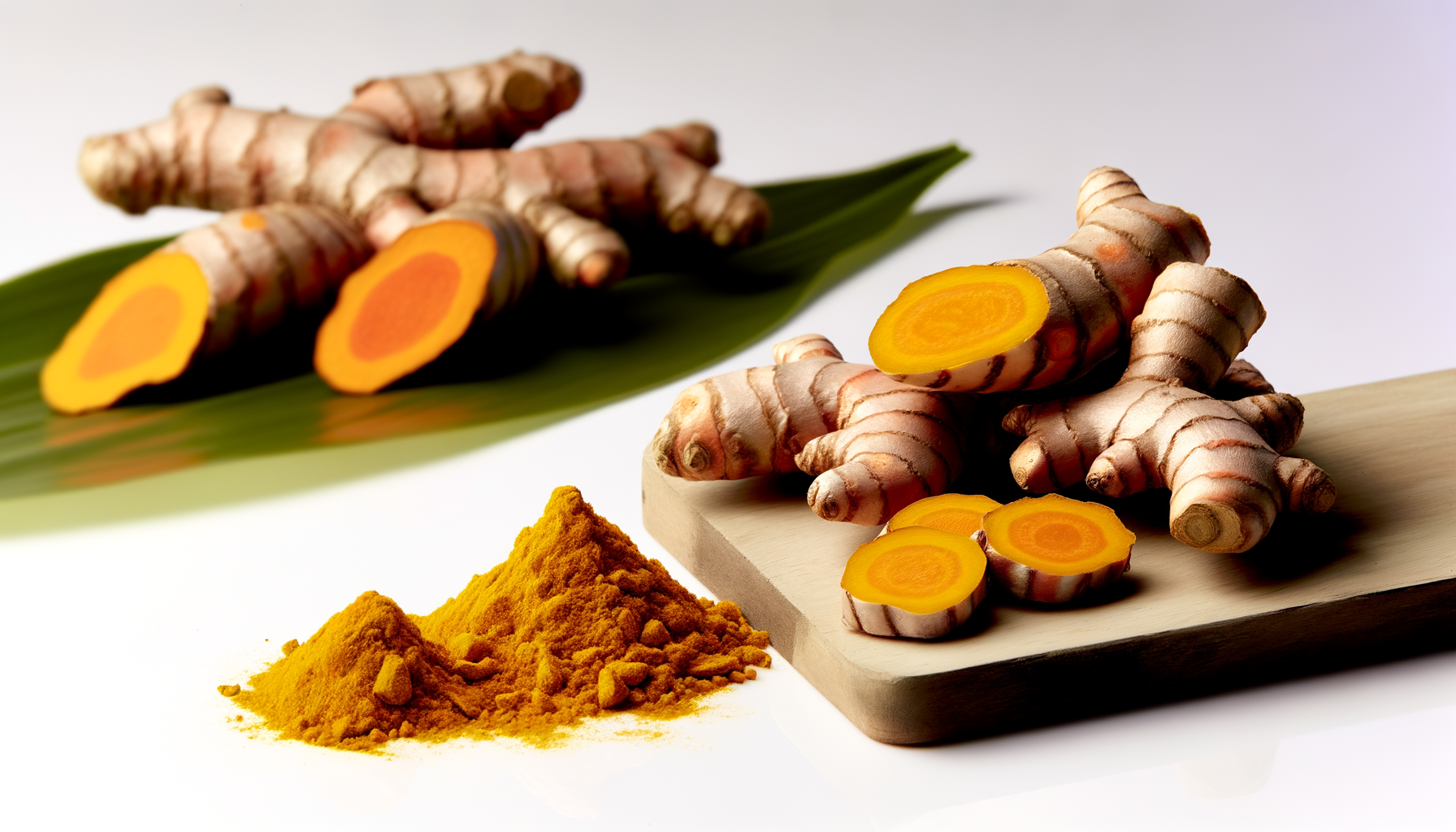
Turmeric
Curcuma longa
Sensory Profile
Tastes
Basic flavor profiles
Aromas
Scent characteristics
Stimuli
Sensory sensations
Textures
Physical properties
About Turmeric
Turmeric offers a warm, earthy flavor with subtle notes of bitterness and a hint of peppery spice. Its unique taste is often described as slightly musky, with a faint sweetness that enhances both savory and sweet dishes. Widely utilized in South Asian and Middle Eastern cuisines, turmeric is a key ingredient in curry powders and is often used to impart a vibrant yellow hue to dishes. It is commonly added to rice, soups, stews, and marinades, and is also used in pickling. Beyond savory applications, turmeric can be found in beverages like golden milk and health tonics, where its anti-inflammatory properties are celebrated. Turmeric is native to Southeast Asia, particularly India, where it has been cultivated for thousands of years. It thrives in tropical climates and is primarily grown in India, which accounts for the majority of the world's production. The spice is derived from the rhizome of the Curcuma longa plant, which is harvested, boiled, dried, and ground into a fine powder. Turmeric is renowned for its vibrant golden-yellow color, attributed to its active compound, curcumin, which is also responsible for many of its health benefits. The spice has a warm, slightly bitter aroma, and its bright hue can stain surfaces and fabrics, making it a distinctive presence in both culinary and medicinal contexts.
Associated health effects(19)
- Cardiovascular Protection
- Antioxidant
- Immunomodulatory Activity
- Allergic Reactions
- Toxicity and Safety
- Cancer-Preventive
- Pain Relief
- Blood Sugar Support
- Treg/Th17 Immune Modulation
- Hepatoprotection
- Cholesterol Management
- Joint Health
- Gastroprotection
- Weight Management
- Fibrosis Attenuation
- Digestive Aid
- Anticancer Potential
- Anti-inflammatory
- Carminative
Nutrition per 100 g(4)
- Energy: 312 kcal
- Protein: 9.7 g
- Fat: 3.3 g
- Fiber: 22.7 g