
Vietnamese Cinnamon Sensory Map
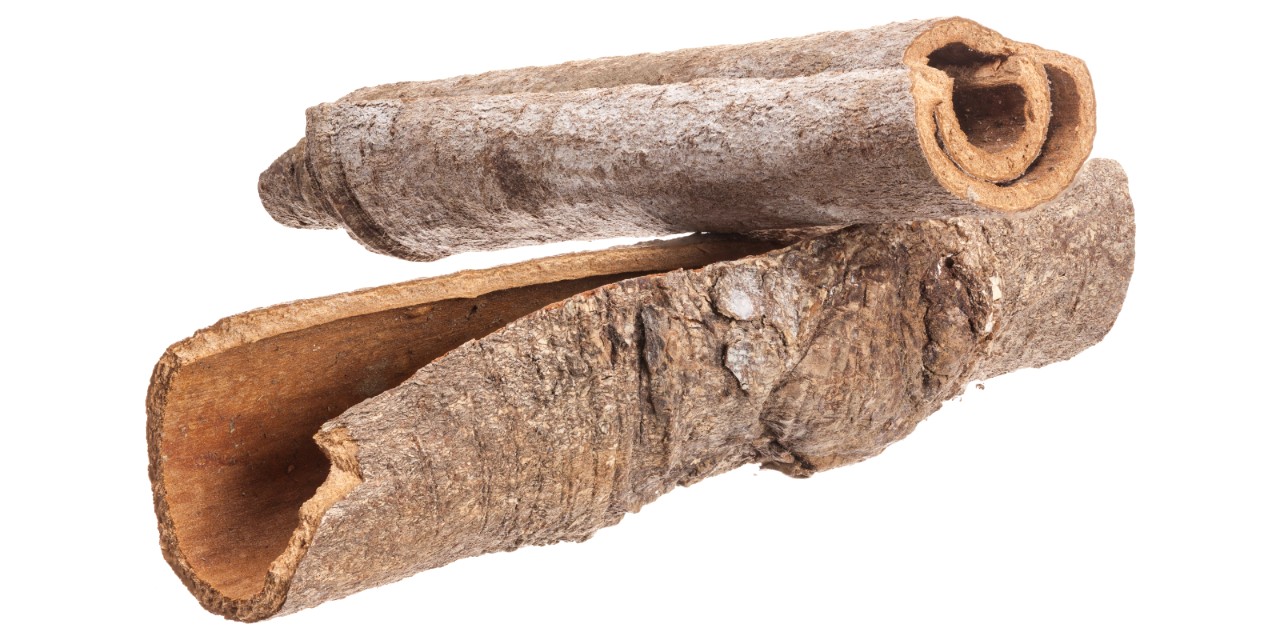
Vietnamese Cinnamon
Cinnamomum loureiroi
Sensory Profile
Tastes
Basic flavor profiles
Aromas
Scent characteristics
Stimuli
Sensory sensations
Textures
Physical properties
About Vietnamese Cinnamon
Vietnamese cinnamon, often referred to as "Saigon cinnamon," is renowned for its intense, sweet, and warm flavor, characterized by a higher oil content than its more common counterpart, Ceylon cinnamon. Its taste is rich and slightly spicy, with a hint of clove-like complexity, making it a favorite among chefs and home cooks alike. This spice is versatile in both sweet and savory dishes. It is commonly used in baking, particularly in pastries, cookies, and cakes, where its robust flavor can shine. In savory applications, Vietnamese cinnamon enhances curries, stews, and marinades, often paired with meats like pork and chicken. It is also a key ingredient in Vietnamese cuisine, featuring prominently in pho and various spice blends. Native to Southeast Asia, particularly Vietnam, this variety of cinnamon thrives in the region's tropical climate. The bark is harvested from the tree, which can grow up to 15 meters tall, and is typically processed into quills or ground into powder. The traditional harvesting methods have been passed down through generations, ensuring the preservation of its unique flavor profile. Vietnamese cinnamon is easily distinguishable from other cinnamon varieties due to its thicker bark and darker color. The quills are often more tightly rolled and have a stronger aroma, attributed to the higher concentration of essential oils.
Associated health effects(8)
- Blood Pressure Support
- Antioxidant
- Blood Sugar Support
- Free Radical Scavenger
- Coumarin-Induced Hepatotoxicity
- Atherosclerosis Prevention
- Cholesterol Management
- Anti-inflammatory
Nutrition per 100 g(4)
- Energy: 290 kcal
- Protein: 4 g
- Fat: 1.2 g
- Fiber: 53 g