
Walnut Sensory Map
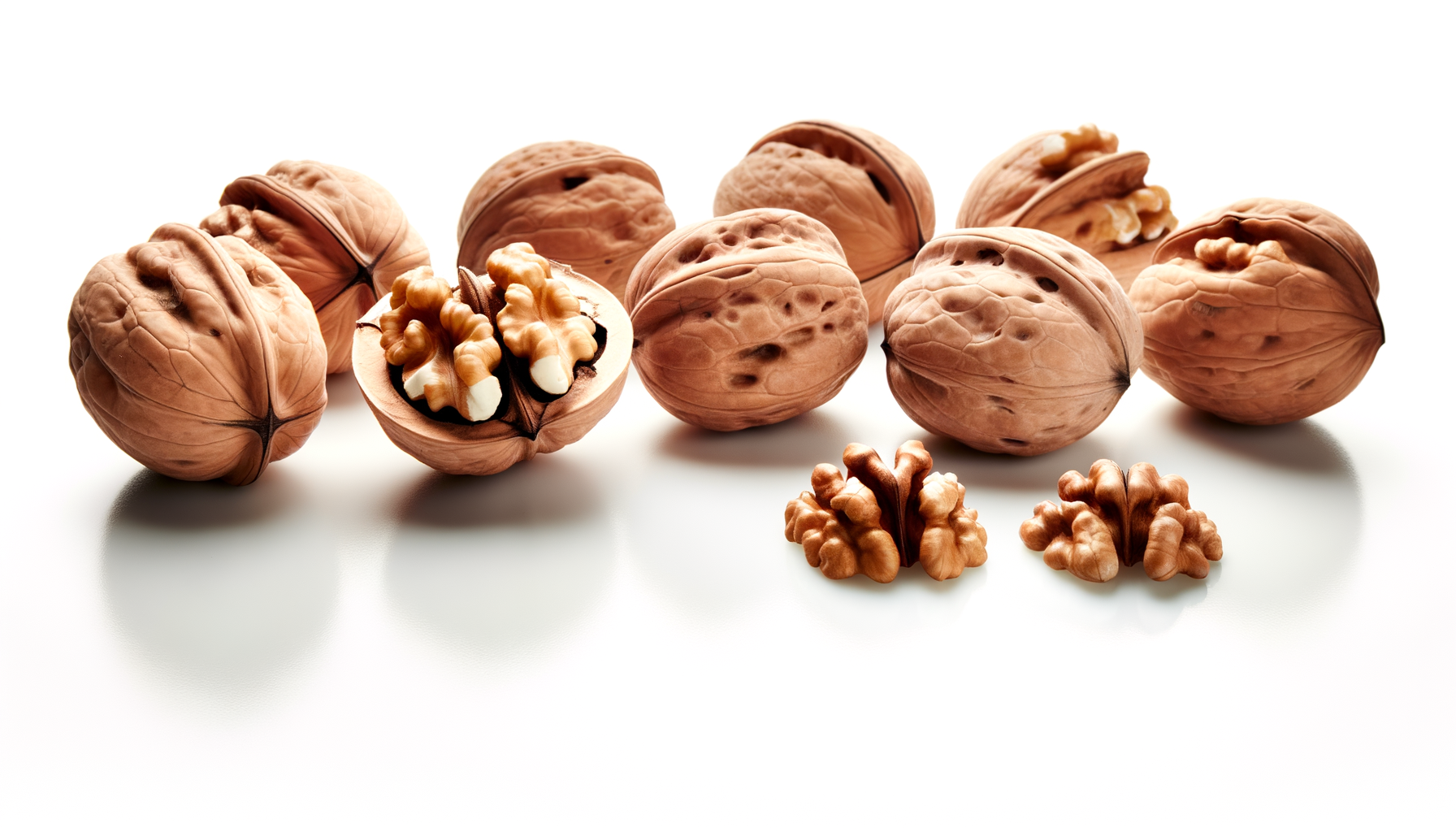
Walnut
Juglans regia
Sensory Profile
Tastes
Basic flavor profiles
Aromas
Scent characteristics
Stimuli
Sensory sensations
Textures
Physical properties
About Walnut
Walnuts possess a rich, buttery flavor with a slightly bitter undertone and a hint of earthiness. Their unique taste is complemented by a subtle sweetness, making them versatile in both savory and sweet dishes. The texture is crunchy yet creamy, providing a satisfying mouthfeel. Walnuts are widely used in various culinary applications. They can be enjoyed raw, toasted, or ground into a fine meal for baking. In savory dishes, they add depth to salads, pasta, and grain bowls, while in sweets, they enhance cookies, cakes, and pastries. Walnut oil, extracted from the nuts, is prized for its rich flavor and is often used in dressings and marinades. Additionally, walnuts are a key ingredient in traditional dishes like pesto and baklava. The English walnut, or Persian walnut, is native to the regions of Central Asia, particularly around the Caspian Sea. It has been cultivated for thousands of years, spreading to Europe and the Americas through trade and exploration. Today, California is one of the largest producers of walnuts, contributing significantly to global supply. Walnuts are notable for their high nutritional value, being rich in omega-3 fatty acids, antioxidants, and essential vitamins and minerals. Their distinctive wrinkled shell and lobed kernel set them apart from other nuts. The nut's natural oils can go rancid.
Associated health effects(44)
- Tree Nut Allergenicity
- Coronary heart disease risk reduction
- Diet Quality Improvement
- Satiety Enhancement
- Micronutrient Density
- Colorectal Cancer Subtype Risk Reduction
- Alpha-Linolenic Acid Support
- Polyunsaturated Fatty Acid Support
- Cardiovascular Protection
- Antioxidant
- Allergic Reactions
- Allergy Risk
- Polyunsaturated Fatty Acid Provision
- Phytosterol-Mediated Cholesterol Reduction
- Short-Chain Fatty Acid Production
- Blood Pressure Reduction
- Gut Microbiota Modulation
- Aflatoxin Contamination Risk
- Sperm Health
- Cancer-Preventive
- Total Cholesterol Reduction
- Blood Sugar Support
- Cognitive Performance Enhancement
- Blood Sugar Regulation
- Polyphenol-Mediated Antioxidant Activity
- No Evidence of Toxicity, Heavy Metals, or Contaminants
- Mineral Content
- Dietary Fiber
- Prebiotic Fiber-Mediated Gut Microbiota Improvement
- Bone Health
- Cholesterol Management
- Brain Health
- Protein Content
- Omega-3 Fatty Acid Support
- Weight Management
- LDL Cholesterol Reduction
- Triglyceride Reduction
- Weight Gain
- Neuroprotection
- Magnesium
- Lipid Metabolism Support
- Anticancer Potential
- Anti-inflammatory
- Cognitive Support
Nutrition per 100 g(4)
- Energy: 654 kcal
- Protein: 15.2 g
- Fat: 65.2 g
- Fiber: 6.7 g