
Walnut Oil Sensory Map
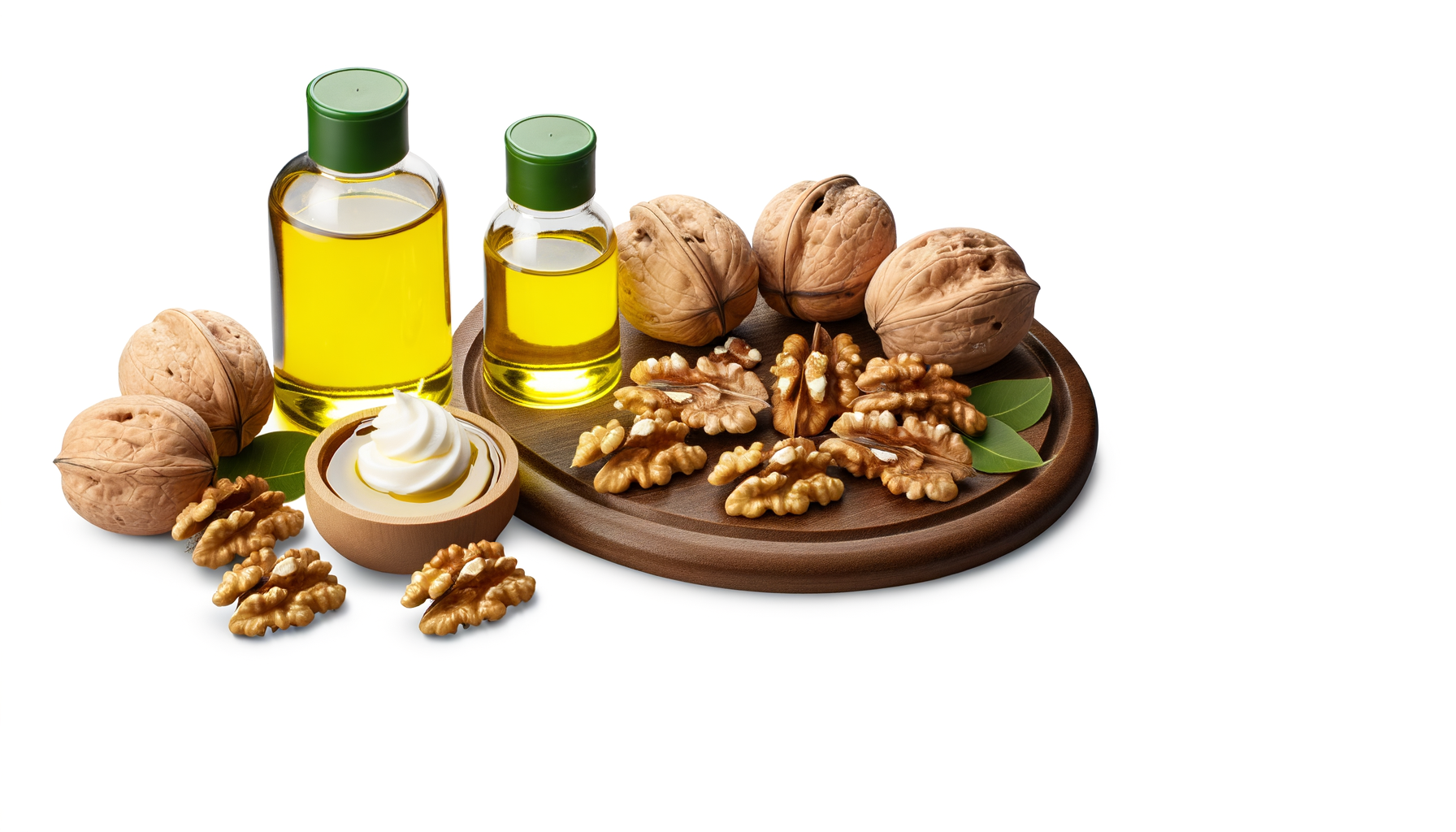
Walnut Oil
Juglans regia
Sensory Profile
Tastes
Basic flavor profiles
Aromas
Scent characteristics
Stimuli
Sensory sensations
Textures
Physical properties
About Walnut Oil
Walnut oil boasts a rich, nutty flavor with a slightly sweet undertone and a hint of bitterness. Its complex taste profile is both robust and delicate, making it a versatile ingredient in various culinary applications. This oil is ideal for drizzling over salads, enhancing the flavor of roasted vegetables, or finishing dishes such as pasta and risottos. It can also be used in baking, particularly in recipes that benefit from its nutty essence, like cakes and cookies. Due to its low smoke point, walnut oil is best used in cold dishes or added at the end of cooking to preserve its flavor and nutritional properties. Walnut oil is derived from the nuts of the English walnut tree (Juglans regia), which is native to the Mediterranean region and parts of Asia. The oil has been used for centuries, particularly in Mediterranean and Middle Eastern cuisines, where it is valued not only for its flavor but also for its health benefits. Walnut oil is characterized by its golden to amber hue and a smooth, silky texture. It is rich in omega-3 fatty acids, antioxidants, and vitamins, making it a healthy choice for culinary use. Its unique flavor and nutritional profile set it apart from other nut oils, making it a prized ingredient among chefs and home cooks alike. When selecting walnut oil, look for cold-pressed qualities.
Associated health effects(26)
- Safety and Toxicity
- Alpha-Linolenic Acid Support
- Reactive Hyperemia Index Enhancement
- Polyunsaturated Fatty Acid Support
- Antioxidant
- Allergic Reactions
- Cardiovascular Health
- Allergy Risk
- Polyunsaturated Fatty Acid Provision
- Blood Pressure Reduction
- HDL Cholesterol Elevation
- Tau Protein Level Reduction
- Blood Sugar Regulation
- Neurogenesis Enhancement
- Immune Modulation
- Skin Health
- Cholesterol Management
- Polyphenol-Mediated Neuroprotection
- LDL Cholesterol Reduction
- Omega-6 Fatty Acid Support
- Neuroprotection
- Lipid Metabolism Support
- Cholesterol Improvement
- Skin Barrier Support
- Anticancer Potential
- Anti-inflammatory
Nutrition per 100 g(4)
- Energy: 900 kcal
- Protein: 0 g
- Fat: 100 g
- Fiber: 0 g