
Wasabi Sensory Map
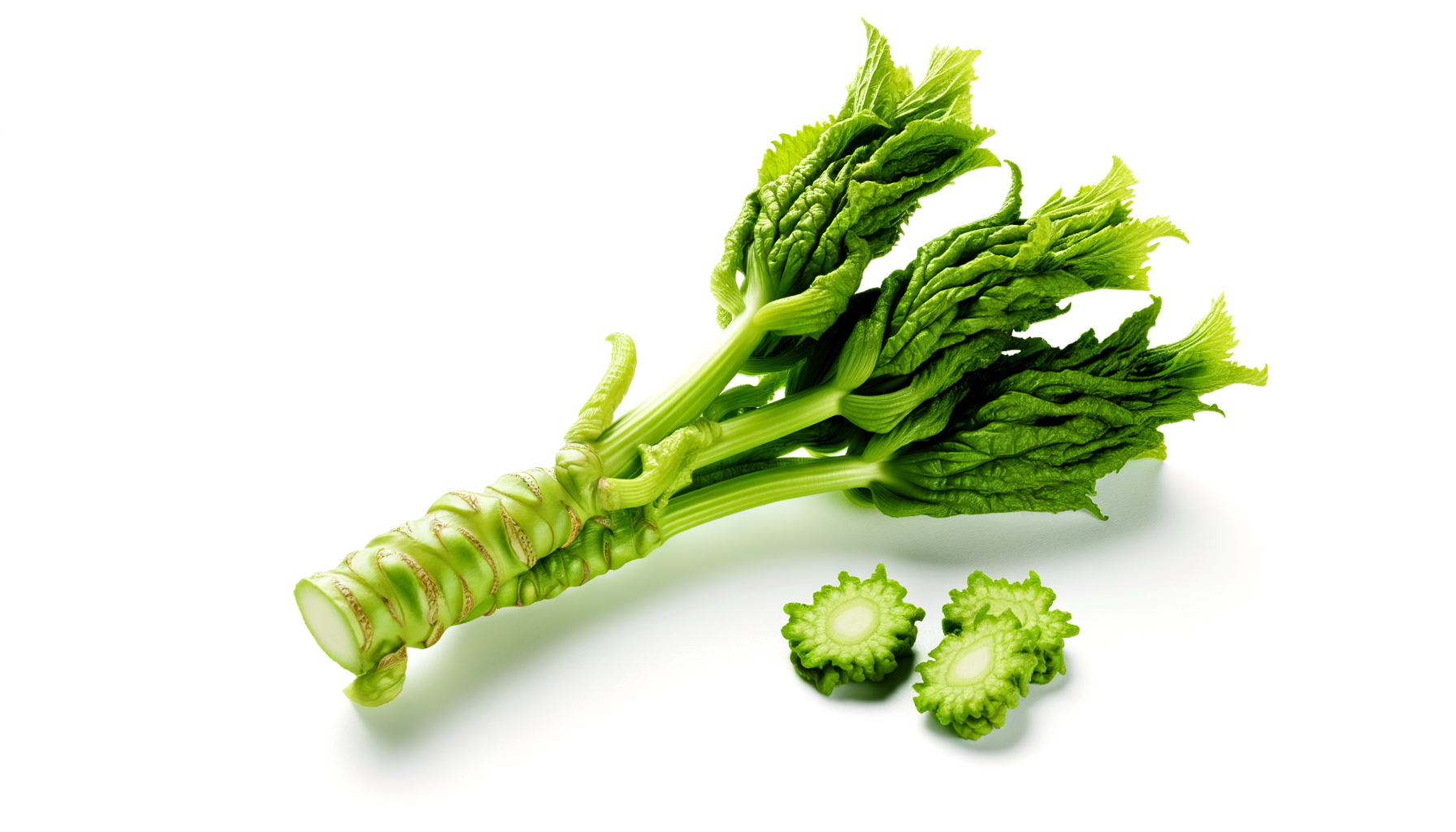
Wasabi
Eutrema japonicum
Sensory Profile
Tastes
Basic flavor profiles
Aromas
Scent characteristics
Stimuli
Sensory sensations
Textures
Physical properties
About Wasabi
Wasabi is renowned for its sharp, pungent heat that delivers a quick, intense kick to the palate, often described as a sinus-clearing sensation rather than a lingering burn. Its flavor is complex, combining a slight sweetness with a fresh, green, and herbaceous undertone, reminiscent of horseradish, but with a more nuanced and less aggressive profile. Traditionally, wasabi is a staple in Japanese cuisine, commonly served as a condiment alongside sushi and sashimi, enhancing the flavors of raw fish. Beyond its classic pairing, wasabi can be incorporated into dressings, marinades, and sauces, adding a distinctive heat to salads, grilled meats, and seafood dishes. It is also used in fusion cuisine, appearing in wasabi-flavored snacks, dips, and even ice creams, showcasing its versatility. Wasabi is native to Japan, where it thrives in the cool, running waters of mountain streams. The plant is cultivated primarily in the Izu Peninsula and other regions with similar climates. Due to its specific growing conditions, authentic wasabi is relatively rare and often substituted with horseradish and green dye in many commercial products. Wasabi is unique not only for its flavor but also for its preparation. The rhizome, which is the edible part, is traditionally grated on a sharkskin board to release
Associated health effects(5)
- Antioxidant
- Goitrogenic Activity
- Antibacterial
- Neuroprotection
- Anti-inflammatory
Nutrition per 100 g(4)
- Energy: 60 kcal
- Protein: 4 g
- Fat: 0.5 g
- Fiber: 2 g