
Water Pepper Sensory Map
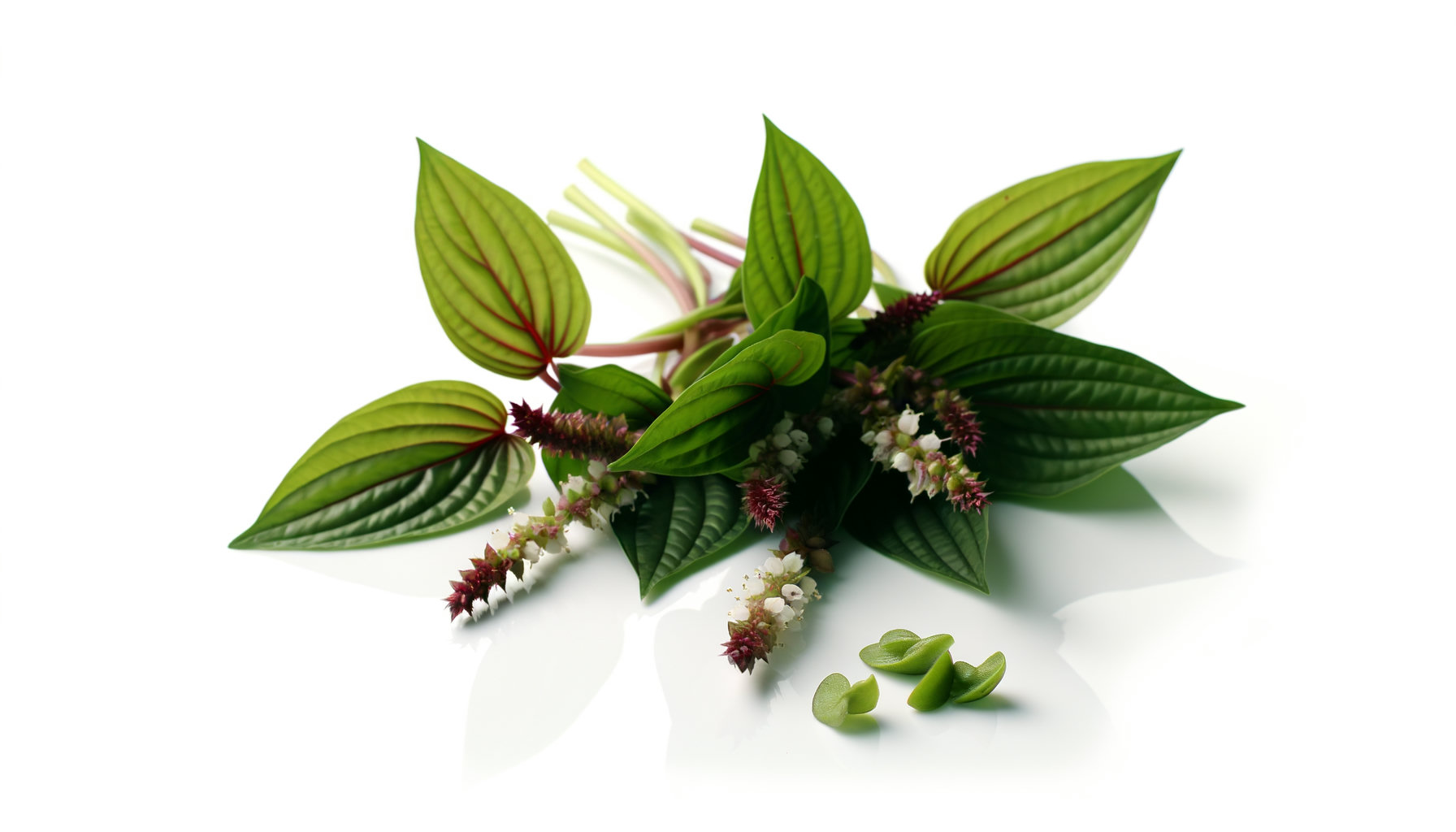
Water Pepper
Persicaria hydropiper
Sensory Profile
Tastes
Basic flavor profiles
Aromas
Scent characteristics
Stimuli
Sensory sensations
Textures
Physical properties
About Water Pepper
Water pepper is known for its intense, pungent heat, reminiscent of black pepper but with a unique, herbal undertone. It delivers a sharp, biting flavor that can be both invigorating and overwhelming, often described as a combination of peppery and slightly bitter notes. Traditionally used in East Asian cuisine, particularly in Japanese and Korean dishes, water pepper is often incorporated into sauces, marinades, and dressings to add a spicy kick. It can also be used in soups, stews, and stir-fries, where its bold flavor can infuse the dish. In some cultures, it is utilized in herbal remedies and as a flavoring agent in pickling. Water pepper is native to East Asia, particularly found in Japan, Korea, and parts of China. It thrives in wet, marshy environments, often growing alongside rivers and streams, which contributes to its name. The plant has been used for centuries in traditional medicine and culinary practices. Water pepper is characterized by its lance-shaped leaves and small, clustered flowers that bloom in the summer. The leaves are often harvested for their flavor, while the seeds can also be used as a spice. Its vigorous growth habit and preference for moist habitats make it a resilient plant, though it can be invasive in some regions. The spice is sometimes confused with other pepper varieties, but its distinct flavor and botanical makes it unique.
Associated health effects(39)
- Menstrual Support
- Digestive Motility Enhancement
- Circulation Support
- Stimulant-Induced Pelvic and Abdominal Discomfort
- Polygodial-Mediated Smooth Muscle Relaxation
- Limited Nutritional Advantages
- Appetite Stimulant
- Antiseptic Skin Protection
- Antioxidant
- Dose-Dependent Effects
- Toxicity and Safety
- Analgesic Activity
- Nutritional Advantages
- Wound Healing
- Quercetin and Rutin Flavonoid Support
- Dermal Irritation
- Digestive Spasm Relief
- Anthelmintic Activity
- Flavor and Culinary Use
- Polygodial-Induced Gastrointestinal Irritation
- Hemostatic Activity
- Skin Irritation from Topical Use
- Dietary Fiber
- Circulatory Stimulant Activity
- Antidiarrheal Activity
- Diuretic Activity
- Antibacterial
- Emmenagogue Activity
- Contact Dermatitis
- Skin Irritation from Irritant Oils
- Skin Irritation
- Digestive Support
- Digestive Aid
- Traditional Fever Relief
- Menstrual Flow Stimulation
- Gastrointestinal Irritation
- Anti-inflammatory
- Carminative
- Cognitive Support
Nutrition per 100 g(4)
- Energy: 35 kcal
- Protein: 2.5 g
- Fat: 1.5 g
- Fiber: 2 g