
Whey Permeate Sensory Map
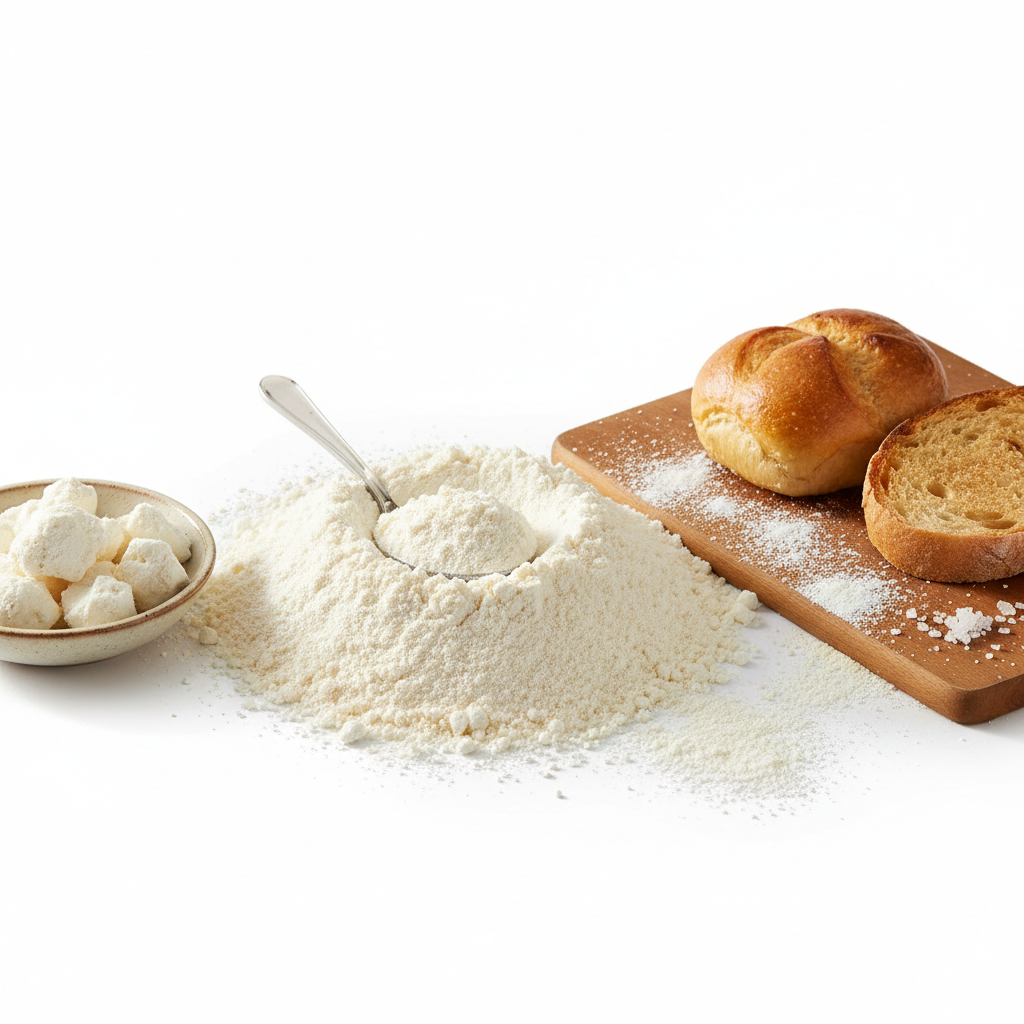
Whey Permeate
Serum lactis
Sensory Profile
Tastes
Basic flavor profiles
Aromas
Scent characteristics
Stimuli
Sensory sensations
Textures
Physical properties
About Whey Permeate
Whey permeate, often referred to as deproteinized whey, is a high-lactose dairy solid characterized by a clean, mildly saline sweetness and a delicate milky aroma devoid of the heavy fat notes found in whole milk powders. Produced through the ultrafiltration of sweet whey to remove functional proteins, this ingredient acts as a potent browning agent in professional baking; its high concentration of reducing sugars (lactose) accelerates the Maillard reaction, yielding a deep golden-brown crust and a toasted, malty flavor profile in applications like **brioche** and **commercial artisan breads**. In savory contexts, such as **instant veloutés** or **dry-rubbed roasted poultry**, the permeate’s mineral content—rich in calcium, phosphorus, and magnesium—functions as a natural flavor enhancer, intensifying umami perceptions while providing a silky, non-gritty mouthfeel. Unlike whole dairy, its unique lack of protein prevents unwanted coagulation in high-heat or acidic environments, making it a stable bulking agent that preserves the tender crumb structure of **chemically leavened cakes** by interfering with gluten development. Historically emerging from the large-scale cheesemaking traditions of Wisconsin and Northern Europe, whey permeate has transitioned from a byproduct to a technical essential, valued for its ability to provide the osmotic pressure and solids necessary for moisture retention without the caloric density of fats.
Associated health effects(9)
- Dietary Prebiotic Support
- Rapid Energy Source for Athletes
- Electrolyte Balance Support
- Food Moisture Retention
- Allergic Reaction Risk
- Excess Calorie Intake
- Dental Caries Risk Reduction
- Lactose Intolerance Risk
- Palatability Enhancement
Nutrition per 100 g(4)
- Energy: 340 kcal
- Protein: 12 g
- Fat: 1 g
- Fiber: 0 g