
White Bean Sensory Map
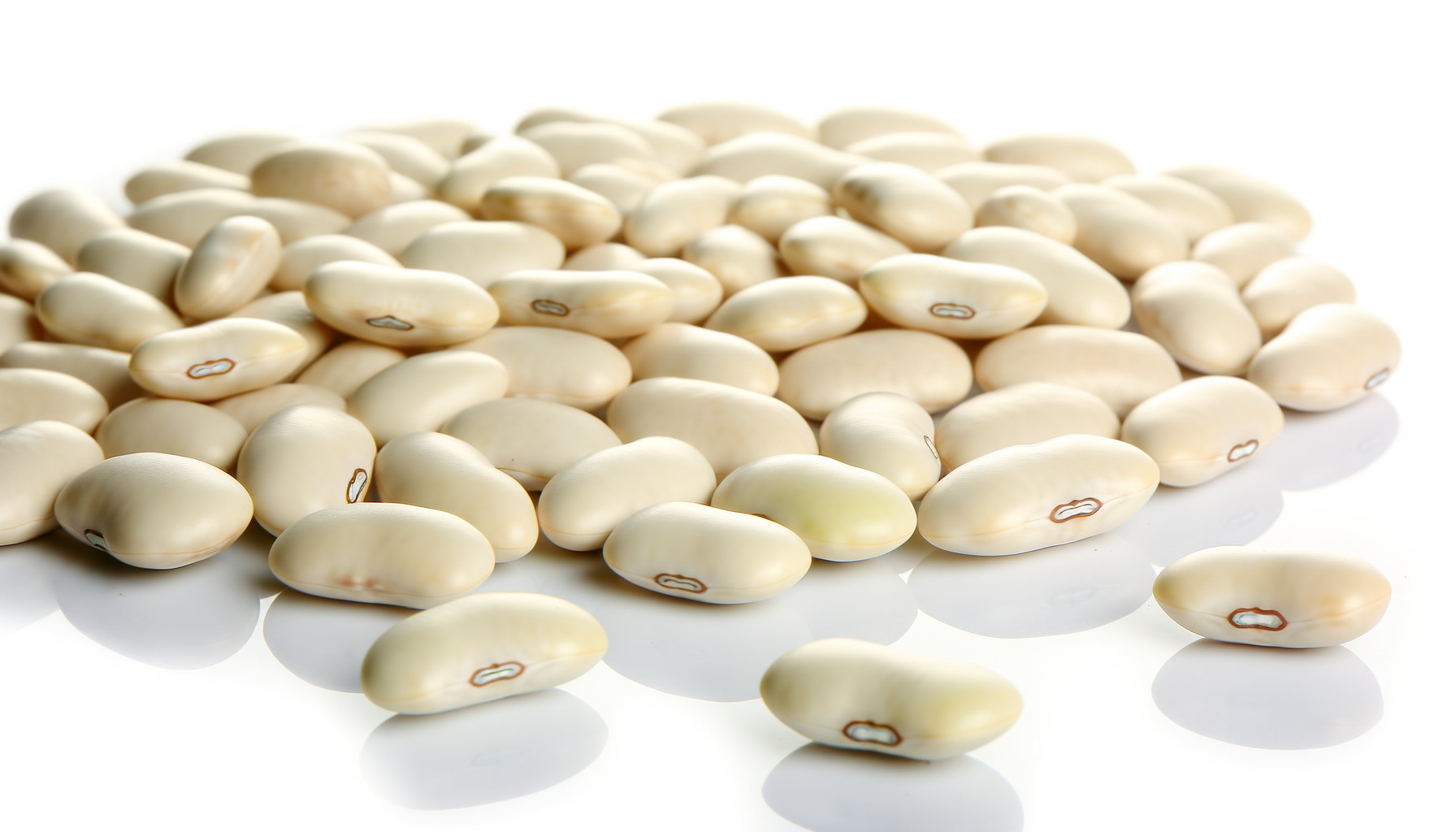
White Bean
Phaseolus vulgaris
Sensory Profile
Tastes
Basic flavor profiles
Aromas
Scent characteristics
Stimuli
Sensory sensations
Textures
Physical properties
About White Bean
White beans, particularly varieties such as Navy beans and Great Northern beans, have a mild, slightly nutty flavor with a creamy texture. Their subtle taste allows them to absorb and complement a wide range of seasonings and ingredients, making them versatile in various dishes. White beans are a staple in many cuisines and are commonly used in soups, stews, and casseroles. They are ideal for dishes like white bean chili, bean salads, and purees. Their ability to hold shape during cooking makes them perfect for hearty meals, while their creamy consistency lends itself well to dips and spreads. Additionally, they can be used as a meat substitute in vegetarian and vegan recipes due to their high protein content. White beans are native to the Americas and have been cultivated for thousands of years, with archaeological evidence suggesting their domestication in Mesoamerica. They were introduced to Europe in the 16th century and have since become a staple in Mediterranean and American cuisines. White beans are characterized by their pale color and smooth skin, which can vary slightly in size and shape depending on the variety. They are rich in protein, fiber, and essential nutrients, making them a healthy addition to any diet. Their ability to be stored for long periods without losing quality makes them a practical choice for both home cooks and commercial kitchens.
Associated health effects(77)
- Safety and Toxicity
- Micronutrient Support
- Satiety Enhancement
- Micronutrient Density
- Colonic Transit Enhancement
- Constipation Relief
- Dietary Prebiotic Support
- Flatulence and Bloating
- Phytate Mineral Bioavailability Reduction
- Cardiovascular Protection
- Adipogenesis Suppression
- Antioxidant
- Allergic Reactions
- Dose-Dependent Effects
- Central Obesity Reduction
- Alpha-amylase Inhibition-Mediated Weight Regulation
- Short-Chain Fatty Acid Production
- Blood Pressure Reduction
- Gut Microbiota Modulation
- Folate Source
- Nutritional Advantages
- Lysine Provision
- Alpha-amylase Inhibition
- Lipid Profile Improvement
- Lectin-Induced Gastrointestinal Toxicity
- Blood Cholesterol Reduction
- Blood Sugar Support
- Appetite Reduction via Fiber-Induced Satiety
- Antidiabetic Activity
- Blood Sugar Regulation
- Chronic Disease Prevention
- Immune Modulation
- Polyphenol-Mediated Antioxidant Activity
- Malnutrition Prevention
- Amino Acid Support
- Muscle Protein Support
- Mineral-Linked Blood Pressure Regulation
- Anti-obesity Activity
- Iron Content Support
- No Evidence of Toxicity, Heavy Metals, or Contaminants
- Mineral Content
- Digestive Discomfort
- Dietary Fiber
- Prebiotic Fiber Gut Microbiota Modulation
- Prebiotic Fiber-Mediated Gut Microbiota Improvement
- Bone Health
- Gastrointestinal Discomfort
- Nutrient-Dense Protein Support
- Antioxidant Polyphenol Provision
- Cholesterol Management
- Anemia Prevention
- Protein Content
- Dietary Lectin Exposure
- Weight loss and appetite suppression
- Hypolipidemic Activity
- Weight Management
- Carbohydrate Absorption Inhibition-Mediated Glycemic Control
- B Vitamin Nervous System Support
- LDL Cholesterol Reduction
- Complex Carbohydrate Content
- Muscle Mass Preservation
- Peripheral Neuropathy Symptom Reduction
- Alpha-amylase Inhibition-Mediated Gut Microbiota Modulation
- Fiber Content
- Phytohemagglutinin Toxicity
- Digestive Prebiotic Support
- Heart Health
- Colorectal Cancer Risk Reduction
- Magnesium
- Neutral Effects
- Lectin Exposure
- Cholesterol Improvement
- Digestive Health
- Anticancer Potential
- Anti-inflammatory
- Cardiometabolic Syndrome Protection
- Resistant Starch Prebiotic Support
Nutrition per 100 g(4)
- Energy: 139 kcal
- Protein: 9 g
- Fat: 0.5 g
- Fiber: 6 g