
White-fleshed Fish Sensory Map
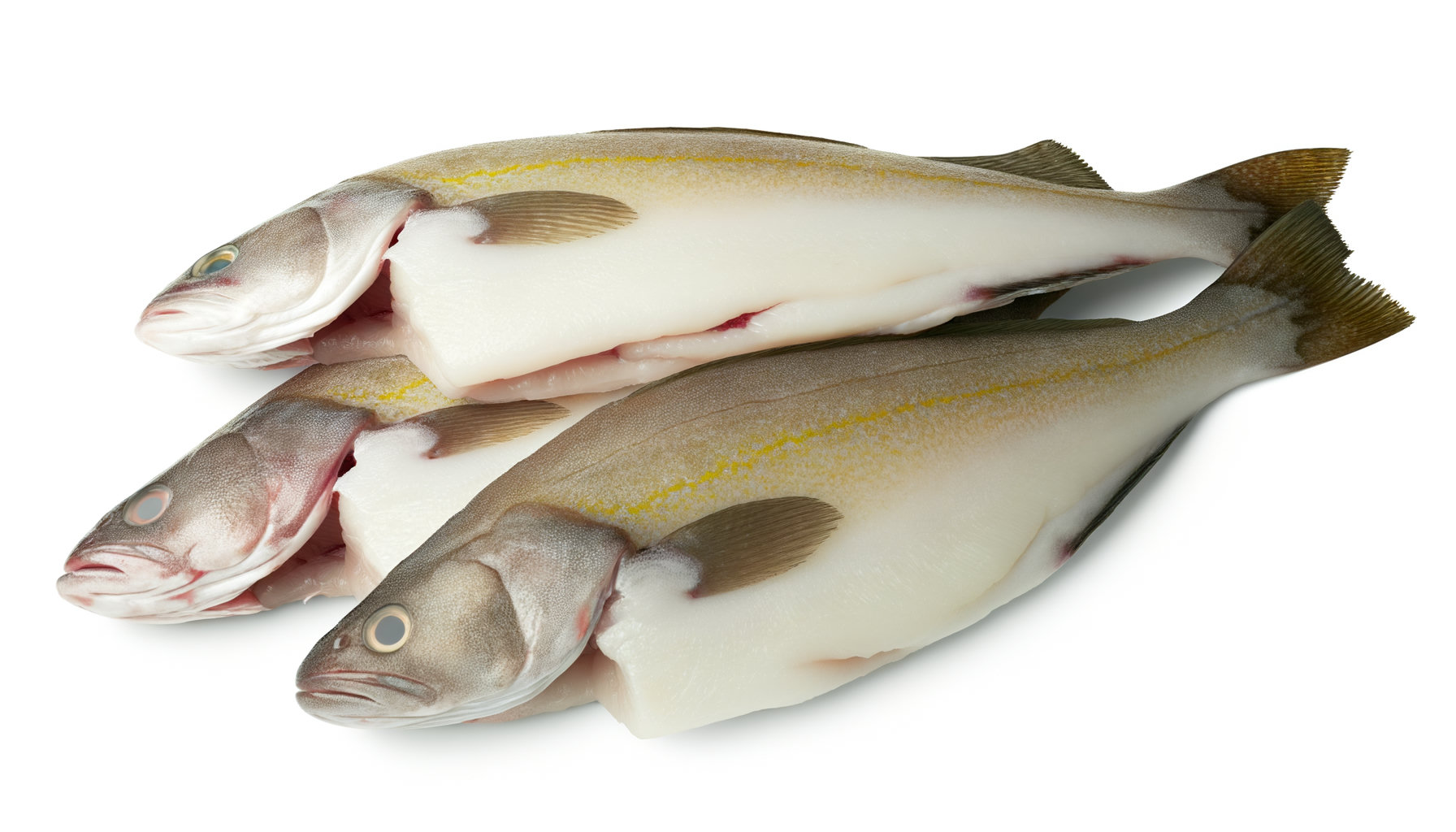
White-fleshed Fish
Piscis carne alba
Sensory Profile
Tastes
Basic flavor profiles
Aromas
Scent characteristics
Stimuli
Sensory sensations
Textures
Physical properties
About White-fleshed Fish
White-fleshed fish, primarily sourced from the Gadidae family (such as Cod) and Merlucciidae family (such as Hake), boasts a mild, delicate flavor with a subtle sweetness. The flesh is tender and flaky, offering a clean taste that absorbs seasonings and marinades beautifully, making it versatile for various culinary applications. This fish is a staple in many cuisines around the world. It can be prepared in numerous ways, including grilling, baking, frying, and steaming. Its mild flavor pairs well with a wide range of ingredients, from zesty citrus and fresh herbs to rich sauces and spices. White-fleshed fish is often used in dishes like fish and chips, chowders, and seafood stews, as well as in more refined preparations such as en papillote or poached with aromatic broths. White-fleshed fish is predominantly found in the cold waters of the North Atlantic and Pacific Oceans. Cod is traditionally associated with regions like the North Atlantic, particularly around Iceland and Norway, while Hake is commonly caught off the coasts of Spain and Portugal. These fish have been integral to local diets and economies for centuries, often forming the basis of traditional fishing practices. The flesh of white-fleshed fish is characterized by its pale color and firm texture, which holds up well during cooking.
Associated health effects(50)
- Dioxin and PCB Contaminant Exposure
- Micronutrient Density
- Easy Digestibility
- Mercury Bioaccumulation Neurotoxicity
- Cardiovascular Protection
- Thyroid Function Support
- Antioxidant
- Allergic Reactions
- Cardiovascular Health
- Parasitic Infection Risk
- Sleep Quality Enhancement
- Low Mercury Content
- Blood Pressure Reduction
- Wound Healing
- Respiratory Health Support
- Depression Relief
- Stroke Risk Reduction
- Heavy Metal Contamination Risk
- Low Caloric Density
- Bacterial Contamination Risk
- Micronutrient-Dense Protein Support
- Nervous System and Blood Cell Health
- Immune Booster
- Vitamin D Provision
- Chronic Disease Prevention
- Immune Modulation
- Muscle Protein Support
- Memory Enhancement
- Foodborne Illness Risk
- Cognitive Decline Symptom Reduction
- Allergic Reaction Risk
- Bone Health
- Cognitive Function Enhancement
- Nutrient-Dense Protein Support
- Brain Health
- Selenium Content Support
- Mercury Exposure Reduction
- Protein Content
- Omega-3 Fatty Acid Support
- Phosphorus Content Support
- Weight Management
- LDL Cholesterol Reduction
- Iodine Provision
- Muscle Mass Preservation
- Mood Enhancement via Tryptophan and B6
- Immune Function
- Thyroid Homeostasis Support
- High-Quality Protein Provision
- Anti-inflammatory
- Cognitive Support
Nutrition per 100 g(4)
- Energy: 90 kcal
- Protein: 20 g
- Fat: 2 g
- Fiber: 0 g