
White Mustard Sensory Map
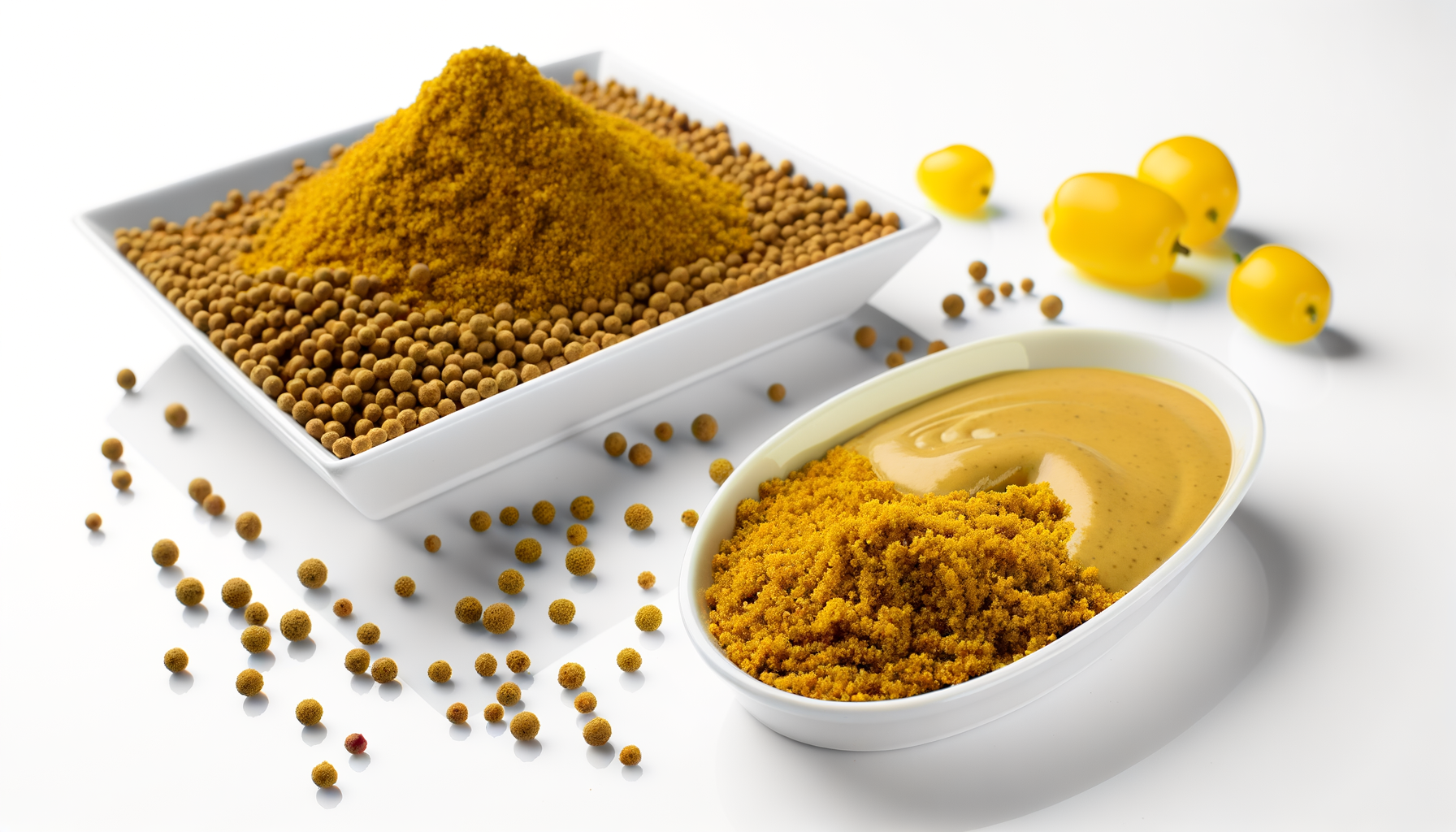
White Mustard
Sinapis alba
Sensory Profile
Tastes
Basic flavor profiles
Aromas
Scent characteristics
Stimuli
Sensory sensations
Textures
Physical properties
About White Mustard
Mustard seeds, particularly from the white mustard plant (Sinapis alba), offer a mild yet tangy flavor with a subtle heat that can range from gentle to sharp, depending on the preparation. When ground into a powder or mixed with liquid, the seeds release a pungent aroma and a distinctively spicy kick that adds depth to dishes. Mustard is a versatile spice used in various culinary applications. It is commonly found in salad dressings, marinades, and sauces, where it acts as an emulsifier and flavor enhancer. Whole seeds can be pickled or used in brines, while ground mustard is a staple in spice blends, dry rubs, and as a seasoning for meats, fish, and vegetables. Additionally, mustard is a key ingredient in condiments like mustard paste and mustard sauce, popular in sandwiches and as a dip. Native to the Mediterranean region, white mustard has been cultivated since ancient times. It spread throughout Europe and Asia, becoming a staple in various cuisines. Today, it is grown in temperate regions around the world, with significant production in Canada, India, and the United States. White mustard seeds are small, round, and pale yellow, making them visually distinct from their black and brown counterparts. They have a slightly milder flavor than other mustard varieties, which makes them ideal for those seeking a less intense mustard experience. The
Associated health effects(65)
- Traditional Topical and Bath Applications
- Isothiocyanate-Mediated Anticancer Activity
- Satiety Enhancement
- Erucic Acid Exposure
- Micronutrient Density
- Appetite Stimulant
- Oral Malodor Reduction
- Drug Interactions
- Potential Additive Hypoglycemia
- Antioxidant
- Isothiocyanate-Mediated Antioxidant Activity
- Allergic Reactions
- Cardiovascular Health
- Dose-Dependent Effects
- Sinigrin-Mediated Antimicrobial Activity
- Allergy Risk
- Polyunsaturated Fatty Acid Provision
- Goitrogenic Activity
- Analgesic Activity
- Topical Irritation
- Folate Source
- Nutritional Advantages
- Wound Healing
- Pain Relief
- Liver Support
- Isothiocyanate-Mediated Antimicrobial Activity
- Blood Cholesterol Reduction
- Respiratory Infection Symptom Relief
- Skin Irritation Burns and Blisters
- Blood Sugar Support
- Seed-Induced Appetite Stimulation
- Vitamin K Source
- Satiety Modulation
- Blood Sugar Regulation
- Immune Booster
- Immune Modulation
- Polyphenol-Mediated Antioxidant Activity
- Flavor and Culinary Use
- At-Risk Populations
- Mineral Content
- Dietary Fiber
- Interaction with Medications
- Emetic Properties
- Bone Health
- Gastrointestinal Discomfort
- Auriculotherapy-Mediated Fatigue Reduction
- Protein Content
- Metabolism Booster
- Auriculotherapy-Mediated Body Weight Reduction
- Diuretic Activity
- Weight Management
- Antibacterial
- Rubefacient Activity
- Gastrointestinal Distress
- Heart Health
- Contact Dermatitis
- Lipid Metabolism Support
- Counter-irritant Activity
- Digestive Aid
- Glucosinolate-Mediated Detoxification Support
- Respiratory Support
- Gastrointestinal Irritation
- Anticancer Potential
- Anti-inflammatory
- Cognitive Support
Nutrition per 100 g(4)
- Energy: 476 kcal
- Protein: 26.1 g
- Fat: 28.8 g
- Fiber: 12.2 g