
White Pepper Sensory Map
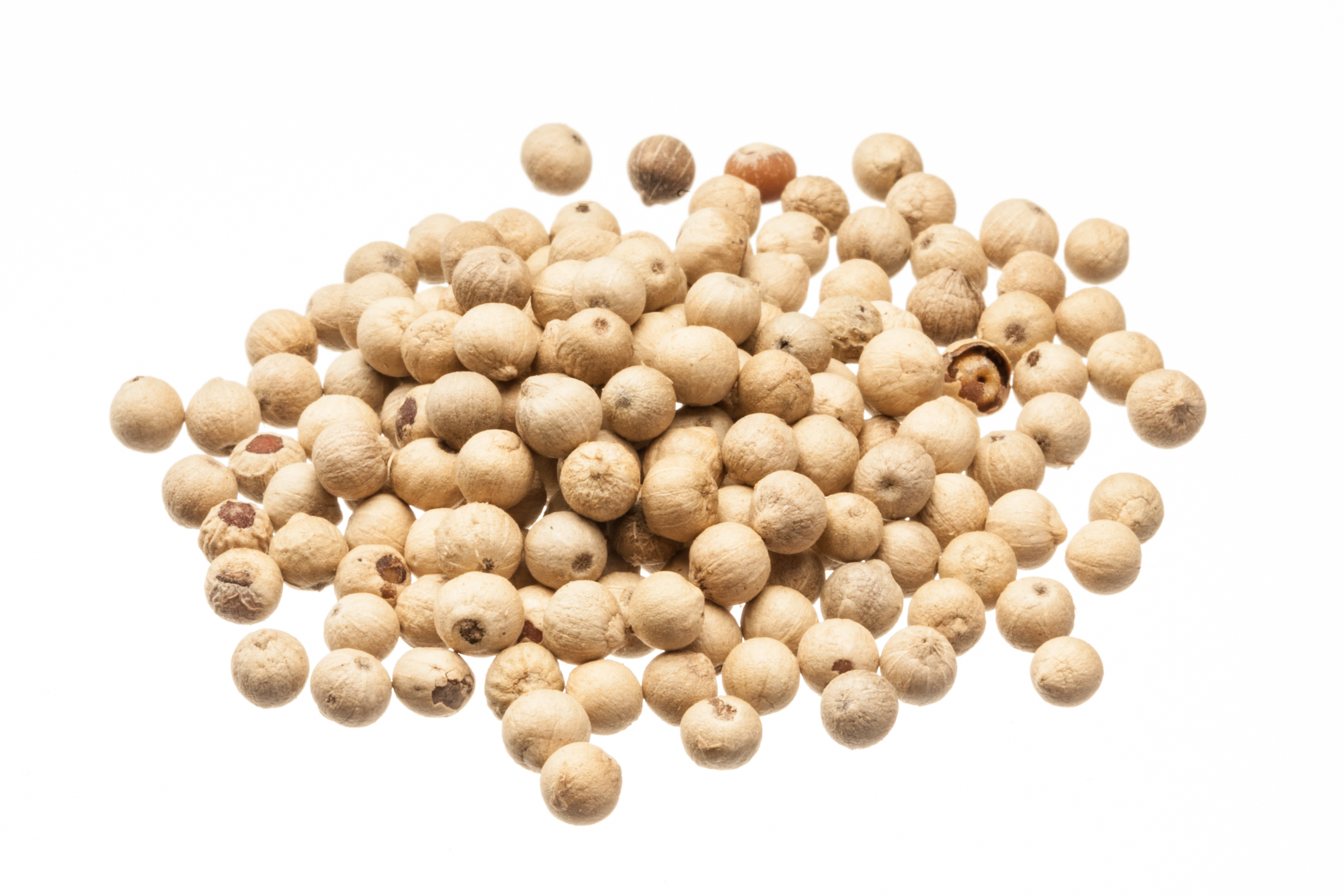
White Pepper
Piper nigrum
Sensory Profile
Tastes
Basic flavor profiles
Aromas
Scent characteristics
Stimuli
Sensory sensations
Textures
Physical properties
About White Pepper
White pepper offers a milder, earthy heat compared to its black counterpart, with a slightly fermented, pungent flavor. It possesses a subtle, musty aroma that can enhance dishes without overpowering them, making it a preferred choice for delicate sauces and light-colored dishes. White pepper is widely used in Asian cuisine, particularly in Chinese and Thai dishes, where it complements the flavors of seafood, soups, and stir-fries. It is also favored in European cooking, especially in creamy sauces, mashed potatoes, and white gravies, where its color blends seamlessly without leaving visible specks. Additionally, it is a key ingredient in certain spice blends and is often used in pickling. Originating from the tropical regions of Southeast Asia, particularly India and Indonesia, white pepper is produced from the same berries as black pepper. The process involves soaking the ripe berries to remove the outer skin, leaving the inner seed, which is then dried. This method contributes to its unique flavor profile and lighter color. White pepper (important! render white peppercorns derived from black peppercorns) is characterized by its smooth, pale appearance and slightly wrinkled texture. It is often considered a more refined spice, lending a sophisticated touch to dishes. Its flavor can vary based on the region of cultivation and processing methods, with some varieties exhibiting a more pronounced fermented taste.
Associated health effects(27)
- Expectorant
- Cardiovascular Protection
- Antioxidant
- Allergic Reactions
- Piperine-Mediated Bioavailability Enhancement
- Analgesic Activity
- Gastric Juice Secretion Stimulation
- Blood Pressure Reduction
- Cancer-Preventive
- Pain Relief
- Gut Motility Enhancement
- Immune Booster
- Digestive Enzyme Stimulation
- Digestive Irritation
- Iron Content Support
- Skin Health
- Bone Health
- Antioxidant Immunity Support
- Manganese
- Metabolism Booster
- Weight Management
- Fiber Content
- Digestive Aid
- Respiratory Support
- Anti-inflammatory
- Carminative
- Cognitive Support
Nutrition per 100 g(4)
- Energy: 295 kcal
- Protein: 10 g
- Fat: 3.3 g
- Fiber: 26 g