
White tea Sensory Map
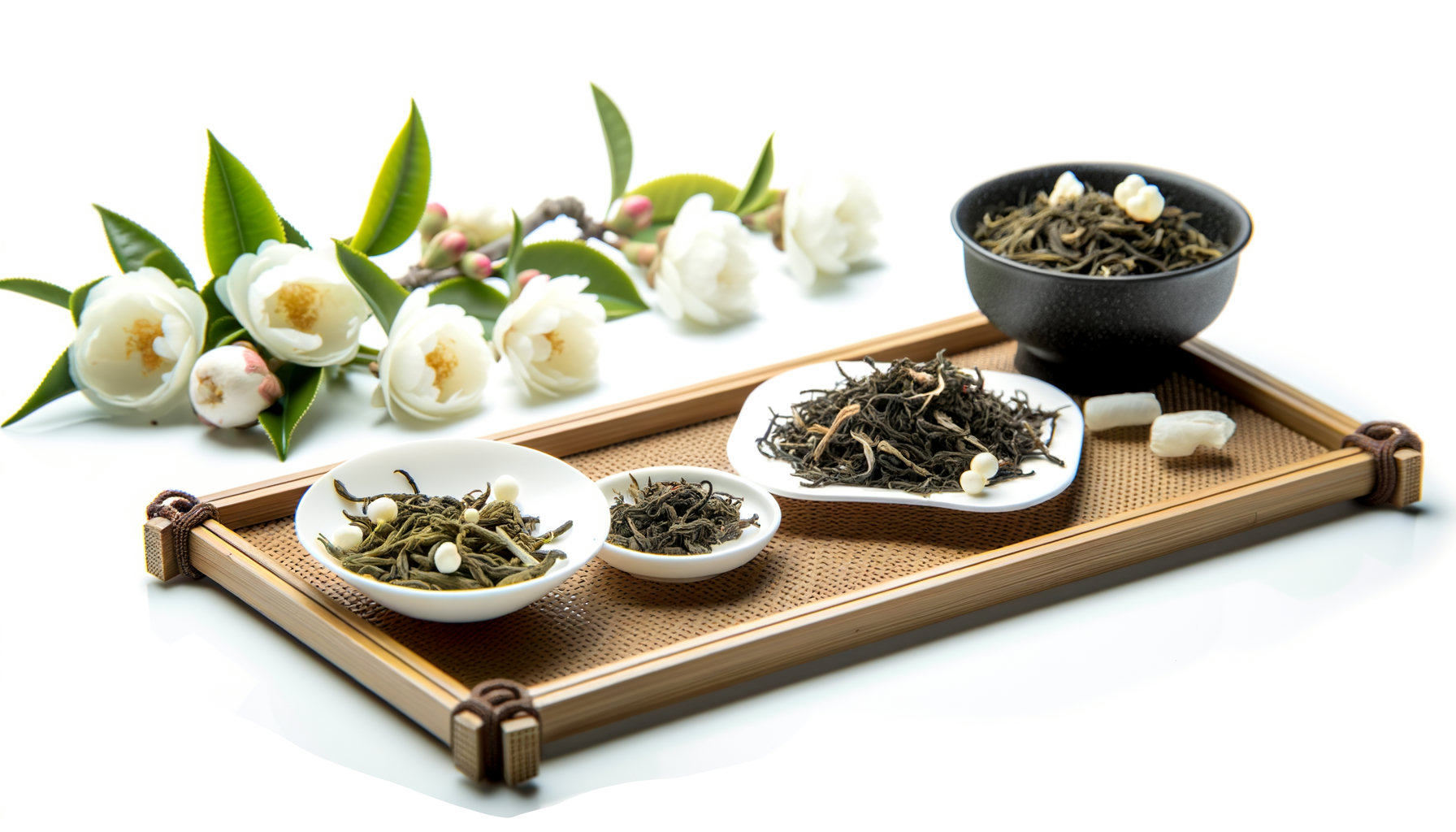
White tea
Camellia sinensis alba
Sensory Profile
Tastes
Basic flavor profiles
Aromas
Scent characteristics
Stimuli
Sensory sensations
Textures
Physical properties
About White tea
White tea is renowned for its delicate and subtle flavor, characterized by a light, sweet, and floral profile with a hint of grassiness. Its gentle taste is often described as smooth and refreshing, with a natural sweetness that lingers on the palate. The infusion yields a pale golden hue, reflecting its refined nature. White tea is primarily enjoyed as a brewed beverage, often served plain to appreciate its nuanced flavors. It can be paired with light foods such as pastries, salads, and seafood, enhancing the dining experience without overpowering the dish. Additionally, white tea can be used in culinary applications such as flavoring desserts, infusing syrups, or as a base for cocktails, where its subtlety complements rather than competes with other ingredients. Originating from the Fujian province of China, white tea has a rich history dating back to the Tang Dynasty (618-907 AD). It is made from the young leaves and buds of the Camellia sinensis plant, which are minimally processed to preserve their natural qualities. The most prized varieties, such as Silver Needle and White Peony, are harvested in early spring when the buds are still covered in fine white hairs, giving the tea its name. White tea is distinguished by its minimal processing, which involves withering and drying without oxidation. This gentle approach preserves the tea's chemical compounds and aromas.
Associated health effects(21)
- Safety and Toxicity
- Insulin Sensitivity Enhancement
- Polyphenol-Mediated LDL Oxidation Reduction
- Cardiovascular Protection
- Adipogenesis Suppression
- Antioxidant
- Dose-Dependent Effects
- Bone Resorption Inhibition
- Tannin-Mediated Platelet Aggregation Inhibition
- Blood Sugar Support
- Dental Plaque Inhibition
- Polyphenol-Mediated Antioxidant Activity
- At-Risk Populations
- Hepatoprotection
- Bone Health
- Dental Caries Risk Reduction
- Weight Management
- Reproductive Risk
- Neuroprotection
- Anticancer Potential
- Anti-inflammatory
Nutrition per 100 g(4)
- Energy: 1 kcal
- Protein: 0 g
- Fat: 0.2 g
- Fiber: 0 g