
White Truffle Sensory Map
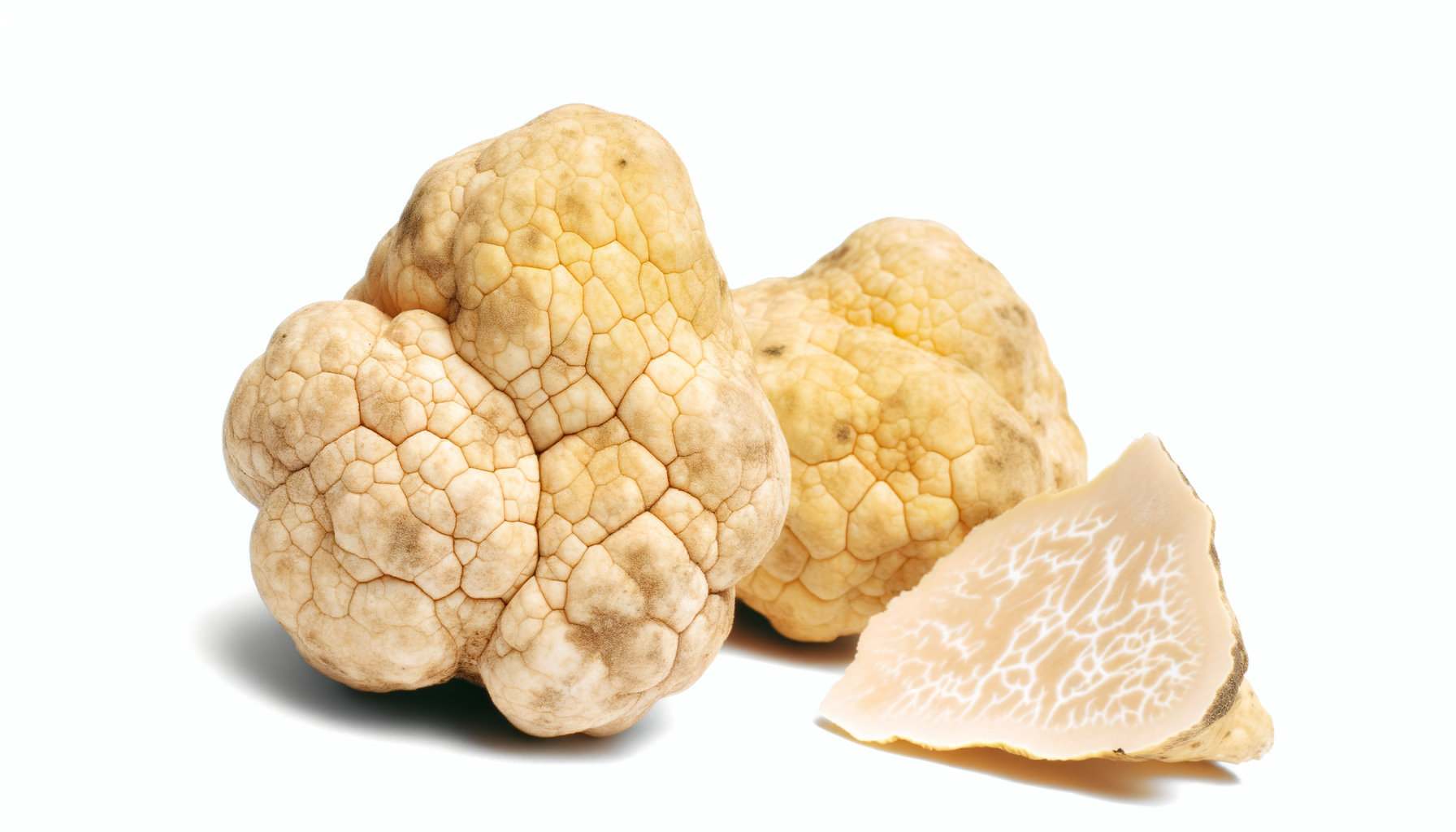
White Truffle
Tuber magnatum
Sensory Profile
Tastes
Basic flavor profiles
Aromas
Scent characteristics
Stimuli
Sensory sensations
Textures
Physical properties
About White Truffle
White truffles possess a unique and intense aroma that is often described as earthy, musky, and slightly garlicky, with a hint of nuttiness. Their flavor is subtle yet complex, offering a rich umami experience that enhances dishes without overwhelming them. White truffles are typically used fresh, shaved or grated over dishes to impart their luxurious flavor. They pair exceptionally well with simple preparations such as pasta, risotto, and eggs, where their aroma can shine. Additionally, they can be infused into oils or butters to create gourmet condiments. Due to their high price and delicate nature, they are often used sparingly to elevate fine dining experiences. Native to the temperate regions of Europe, particularly Italy, the white truffle is most famously found in the Piedmont region, especially around the town of Alba. They thrive in calcareous soils, often in symbiotic relationships with specific tree species such as oak, hazelnut, and poplar. White truffles are characterized by their irregular, knobby shape and pale cream to yellowish color. Unlike black truffles, they have a smoother exterior and are typically harvested in the late autumn to early winter months. Their rarity, combined with the difficulty of cultivation and harvesting (often requiring trained dogs or pigs to locate them underground), contributes to their status as one of the most sophisticated food ingredients of the world.
Associated health effects(5)
- Antioxidant
- Nutritional Advantages
- Antibacterial
- Anticancer Potential
- Anti-inflammatory
Nutrition per 100 g(4)
- Energy: 35 kcal
- Protein: 2 g
- Fat: 0.5 g
- Fiber: 1.5 g