
Wild Garlic Sensory Map
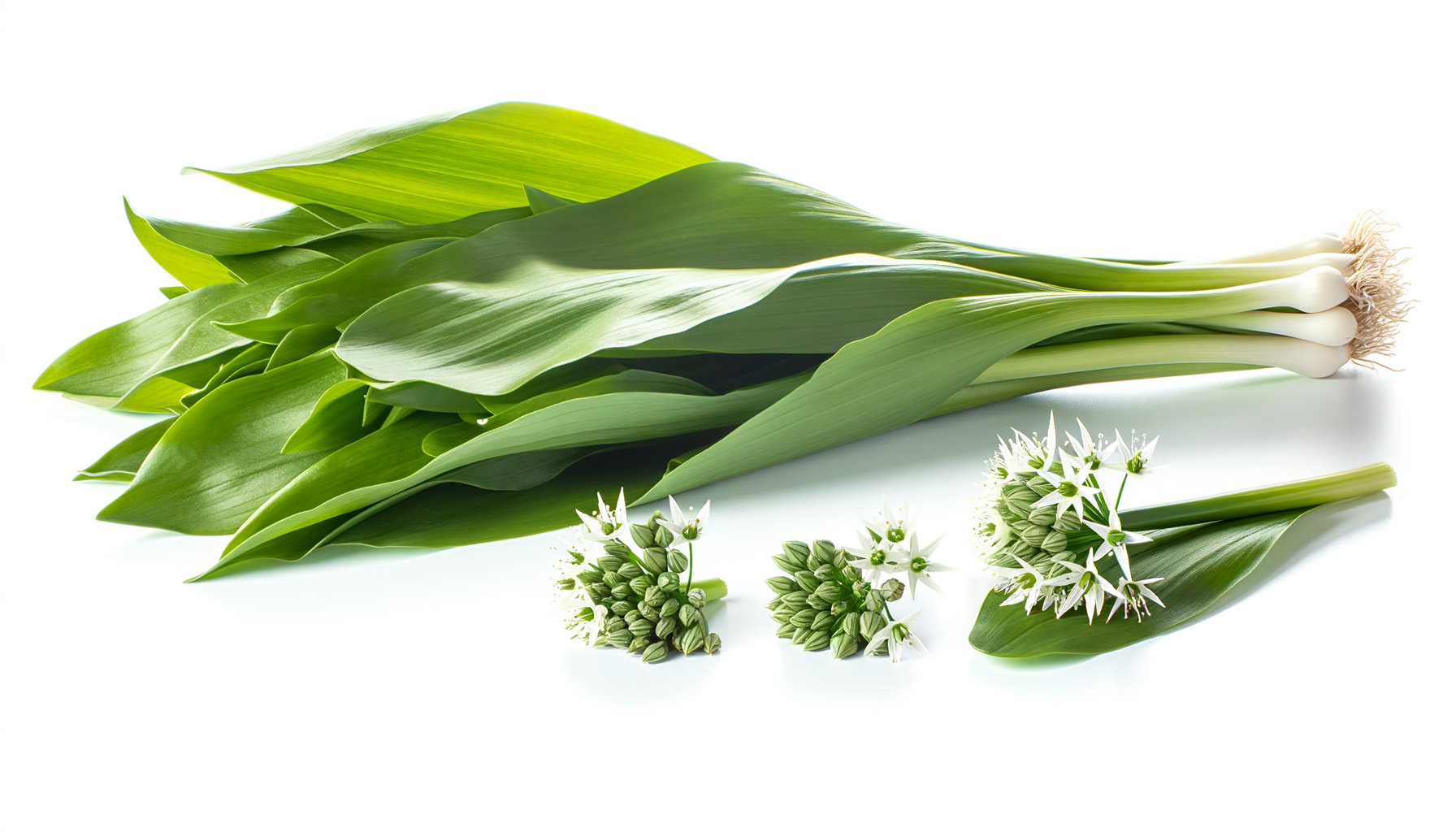
Wild Garlic
Allium ursinum
Sensory Profile
Tastes
Basic flavor profiles
Aromas
Scent characteristics
Stimuli
Sensory sensations
Textures
Physical properties
About Wild Garlic
Wild garlic, also known as ramsons, boasts a robust, pungent flavor reminiscent of a milder version of cultivated garlic. Its leaves and flowers impart a fresh, herbaceous quality with a subtle hint of onion, making it a versatile addition to various dishes. Wild garlic is celebrated for its culinary versatility. The tender leaves can be used fresh in salads, pestos, and sauces, or cooked into soups, stews, and risottos. The flowers, which bloom in spring, add a decorative touch and a mild garlic flavor to salads and garnishes. It pairs well with potatoes, eggs, fish, and creamy cheeses, enhancing dishes with its aromatic profile. Native to Europe and parts of Asia, wild garlic thrives in damp, shaded woodlands and is often found in abundance during the spring months. It has been used for centuries in traditional European cuisine and herbal medicine, valued for both its flavor and potential health benefits. Wild garlic is easily identifiable by its broad, green leaves that grow in pairs and its characteristic white star-shaped flowers. The entire plant emits a strong garlic aroma when crushed, a key feature that distinguishes it from other similar-looking plants. Harvesting is typically done in early spring before the flowers bloom, ensuring the leaves are tender and flavorful.
Associated health effects(30)
- Cardiovascular Protection
- Antiplatelet Activity
- Antioxidant
- Allergic Reactions
- Gastrointestinal Upset
- Blood Pressure Reduction
- Cancer-Preventive
- Antifungal
- Lipid Profile Improvement
- Antihypertensive
- Antidiabetic Activity
- Digestive Spasm Relief
- Immune Booster
- Vasodilation
- No Evidence of Toxicity, Heavy Metals, or Contaminants
- Hepatoprotection
- Sulfur Compound Digestive Stimulation
- Dietary Fiber
- Digestive Relief via Carminative Action
- Spasmolytic Activity
- Gastroprotection
- Antibacterial
- Immune Function
- Neuroprotection
- Antiviral
- Digestive Aid
- Gastrointestinal Irritation
- Anticancer Potential
- Anti-inflammatory
- Hemolytic Risk in G6PD Deficiency
Nutrition per 100 g(4)
- Energy: 34 kcal
- Protein: 2 g
- Fat: 0.5 g
- Fiber: 1.5 g