
Wine Vinegar Sensory Map
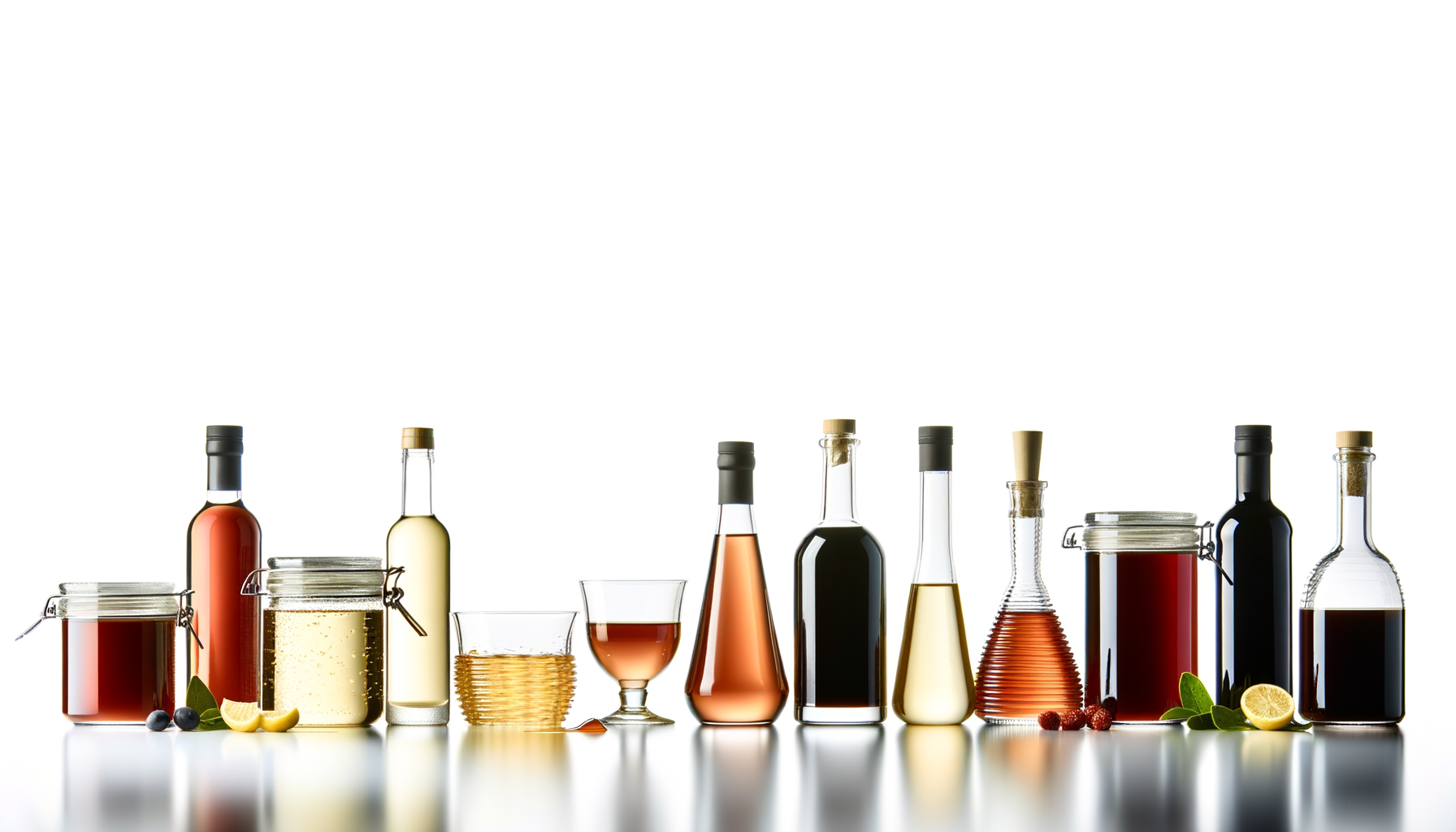
Wine Vinegar
Vinaigra vinum
Sensory Profile
Tastes
Basic flavor profiles
Aromas
Scent characteristics
Stimuli
Sensory sensations
Textures
Physical properties
About Wine Vinegar
Wine vinegar boasts a complex flavor profile that varies depending on the type of wine used in its production. Generally, it presents a tangy acidity balanced by subtle fruity notes and a hint of oak, especially in varieties made from aged red or white wines. The acidity level typically ranges from 5% to 7%, providing a sharp yet harmonious taste that enhances dishes without overpowering them. Wine vinegar is a versatile ingredient in the culinary world. It is commonly used in salad dressings, marinades, and sauces, where its acidity can brighten flavors and tenderize proteins. It is also an excellent addition to pickling brines, enhancing the preservation of vegetables while imparting a rich flavor. In cooking, wine vinegar can deglaze pans, adding depth to sauces and gravies. Its ability to complement both savory and sweet dishes makes it a staple in both traditional and modern cuisines. Wine vinegar has its roots in ancient civilizations, with evidence of its use dating back to the Babylonians and Egyptians. It is produced through the fermentation of wine, where acetic acid bacteria convert the alcohol into acetic acid. The quality of the wine used directly influences the final product, leading to a variety of regional styles, including balsamic vinegar from Italy and sherry vinegar from Spain.
Nutrition per 100 g(4)
- Energy: 4 kcal
- Protein: 0.1 g
- Fat: 0.1 g
- Fiber: 0 g