
Wormwood Sensory Map
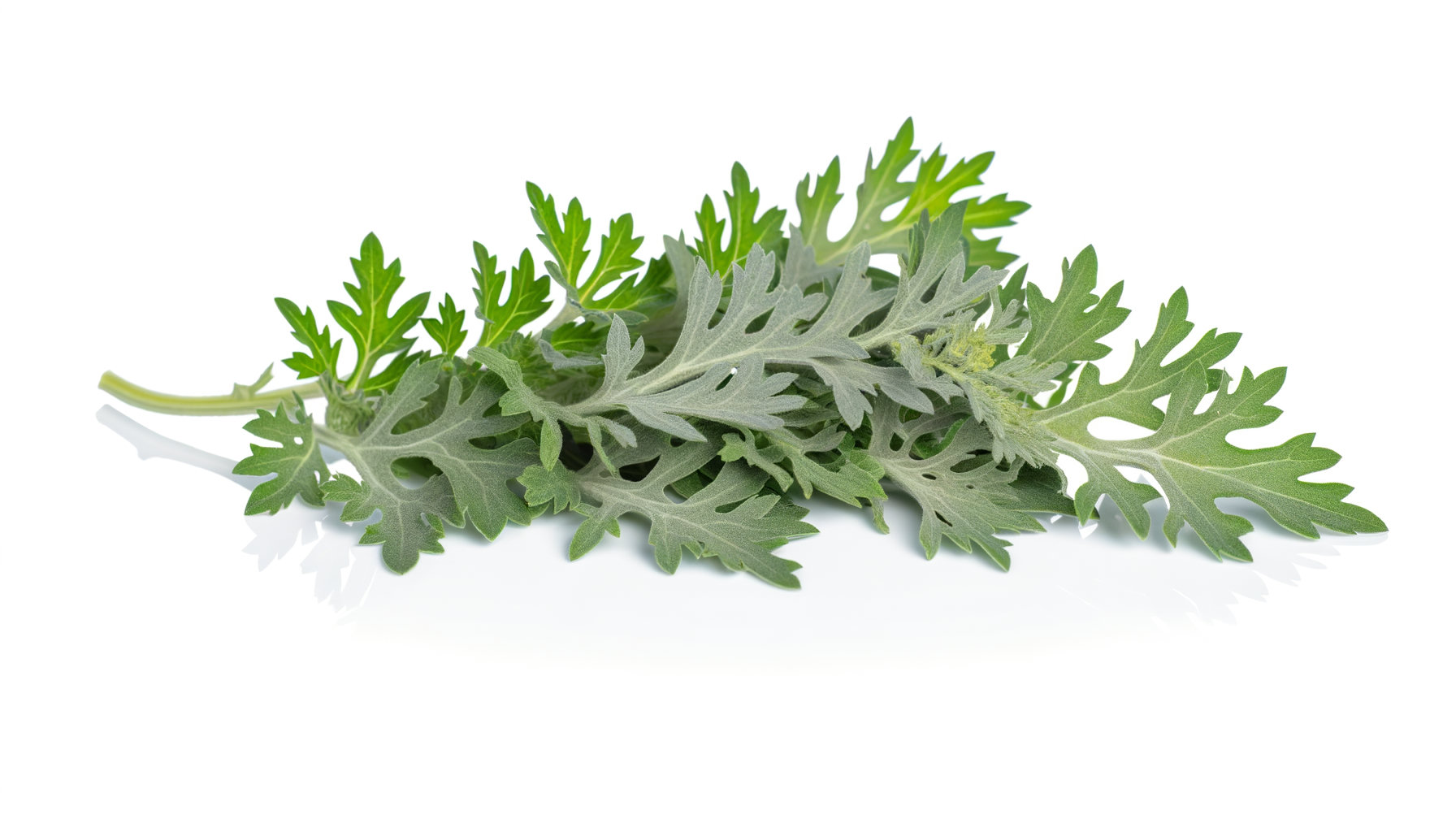
Wormwood
Artemisia absinthium
Sensory Profile
Tastes
Basic flavor profiles
Aromas
Scent characteristics
Stimuli
Sensory sensations
Textures
Physical properties
About Wormwood
Wormwood is renowned for its intensely bitter flavor, which is often described as herbal, earthy, and slightly aromatic. Its bitterness is a defining characteristic, making it a unique addition to various culinary applications. The flavor can be quite potent, with a lingering aftertaste that can be both refreshing and challenging. Traditionally, wormwood is best known for its role in the production of absinthe, a high-proof spirit that gained popularity in the late 19th century. In culinary contexts, it can be used sparingly to enhance the flavor of liqueurs, bitters, and herbal infusions. Additionally, it can be incorporated into sauces, marinades, and meat dishes, particularly in Mediterranean and Eastern European cuisines. Its bitterness can also complement rich foods, balancing flavors in dishes like game meats and rich stews. Native to Europe, wormwood thrives in temperate climates and is commonly found in regions with poor, well-drained soils. Historically, it has been used in traditional medicine and as a flavoring agent since ancient times, with references dating back to the Greeks and Romans. Its use spread across Europe and into the Americas, where it became integral to various herbal traditions. Wormwood is characterized by its silvery-green, deeply lobed leaves and small, yellowish flowers. The plant can grow up to 1 meter tall.
Associated health effects(73)
- Menstrual Support
- Gastric Ulcer Risk
- Liver Damage
- Appetite Stimulant
- Anti-ulcer Activity
- Kidney Damage Risk
- Drug Interactions
- Antiparasitic Activity
- Antioxidant
- Joint Pain Relief
- Allergic Reactions
- Dose-Dependent Effects
- Vanillin-Mediated Liver Protection
- Analgesic Activity
- General toxicity
- Thujone-Induced Hepatotoxicity
- Wound Healing
- Liver Toxicity
- Antifungal
- Thujone-Induced Seizure Risk
- Pain Relief
- Acute Side Effects
- Liver Support
- Digestive Motility Enhancement via Bitter Compounds
- Depression Relief
- Bitter Receptor-Mediated Digestive Stimulation
- Blood Sugar Support
- Inflammatory Bowel Disease Symptom Amelioration
- Neurotoxicity
- Thujone Neurotoxicity
- Thujone-Induced Neurotoxicity
- Blood Sugar Regulation
- Digestive Spasm Relief
- Digestive Secretory Stimulation
- Anthelmintic Activity
- Absinthism Syndrome
- Immune Modulation
- General side effects
- Digestive Irritation
- Central Nervous System Irritation
- Mood Enhancement
- At-Risk Populations
- Hepatoprotection
- Kidney Damage
- Bitter Receptor-Mediated Digestive Secretory Stimulation
- Allergic Reaction Risk
- Muscle Pain Relief
- Gastrointestinal Discomfort
- Cognitive Function Enhancement
- Autoimmune Exacerbation
- Anemia Prevention
- Acute Oral Toxicity
- Bitter Receptor Activation
- Absinthin-Linked Bitter Receptor Activation
- Uterotonic Activity
- Digestive Protection
- Seizures
- Bitter Receptor-Mediated Bile Secretion Enhancement
- Neurotransmitter Modulation
- Antibacterial
- Emmenagogue Activity
- Immune Function
- Neuroprotection
- Gastrointestinal Distress
- Contact Dermatitis
- Uterine Stimulation Risk
- Digestive Aid
- Gastrointestinal Irritation
- Anticancer Potential
- Anti-inflammatory
- Carminative
- Cognitive Support
- Seizure Risk
Nutrition per 100 g(4)
- Energy: 95 kcal
- Protein: 3 g
- Fat: 1.5 g
- Fiber: 5 g