
Yeast Sensory Map
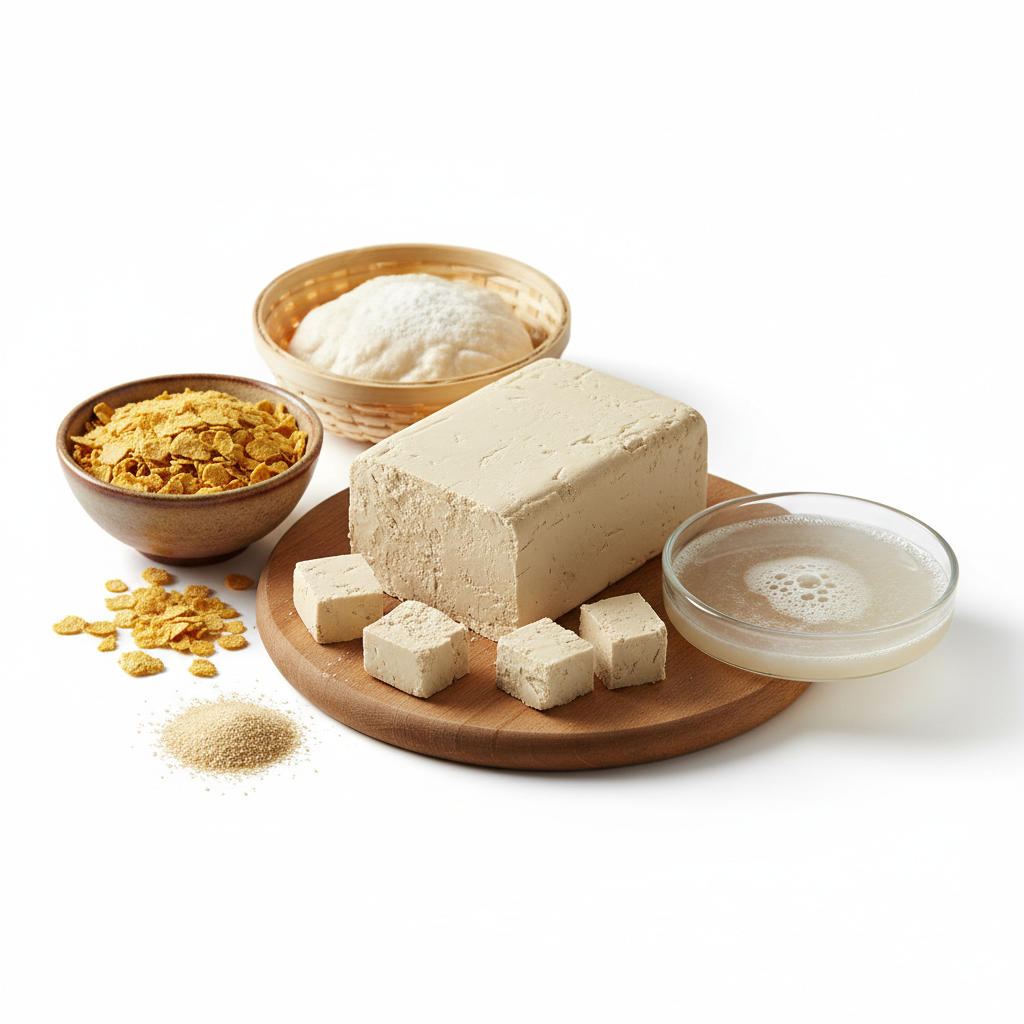
Yeast
Saccharomyces cerevisiae
Sensory Profile
Tastes
Basic flavor profiles
Aromas
Scent characteristics
Stimuli
Sensory sensations
Textures
Physical properties
About Yeast
Yeast (Saccharomyces cerevisiae) As a unicellular fungus, Saccharomyces cerevisiae serves as the primary biological leavening agent in professional kitchens, characterized by a complex sensory profile that ranges from the milky, cereal-like sweetness of fresh compressed blocks to the deep, nutty, and slightly acidic funk of autolyzed nutritional flakes. In iconic applications such as the French Baguette Tradition or Italian Panettone, yeast facilitates the fermentation of glucose and fructose into ethanol and carbon dioxide; this gas becomes trapped within the gluten matrix, stretching the protein strands to create a light, aerated crumb while the ethanol evaporates during baking to leave behind aromatic esters. Though its use is global, its cultural provenance is most deeply rooted in the ancient Fertile Crescent and Egypt, where it was traditionally harvested from the skins of grapes or cereal grains through "wild" starters, a method that predates modern industrial cultivation in molasses-based mediums. What distinguishes this ingredient is its dual role as both a structural engineer and a flavor developer: beyond mere aeration, the enzymatic activity during long-duration cold fermentation breaks down complex starches into simple sugars, leading to superior Maillard browning and the development of organic acids that provide the characteristic "tang" and structural elasticity essential for artisanal sourdoughs and high-hydration doughs.
Associated health effects(13)
- Beta-Glucan Cholesterol Reduction
- Fermentation-Derived Probiotic Yeast Support
- B Vitamin Enrichment
- Probiotic Yeast Drug Interaction Risk
- Immune Modulation
- Mineral Content
- Dietary Fiber
- Allergic Reaction Risk
- Gastrointestinal Discomfort
- Purine-Linked Gout Flare Risk
- B12 Content Support
- Complete Protein Support
- Digestive Aid
Nutrition per 100 g(4)
- Energy: 370 kcal
- Protein: 50 g
- Fat: 4 g
- Fiber: 0 g